check

check

check

check
check
check
check
check

check

check
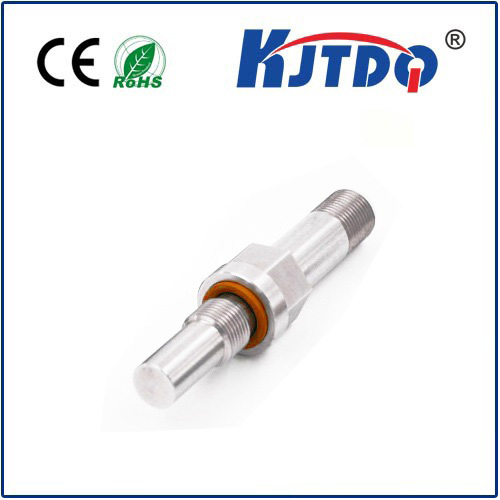
Title: Unlocking Efficiency with Ideal Proximity Sensors: A Comprehensive Guide Introduction: In today’s fast-paced technological landscape, the demand for precision and efficiency in automation has never been more pronounced. Among the array of sensors available, proximity sensors play a pivotal role in ensuring seamless operations across industries. These devices detect objects within a specific range without physical contact, making them essential for countless applications. In this article, we will explore what constitutes an ideal proximity sensor, its key features, and how it can revolutionize your projects or processes. What Makes an Ideal Proximity Sensor? An ideal proximity sensor embodies a perfect balance of sensitivity, accuracy, durability, and versatility. It should be capable of accurately detecting targets at varying distances while maintaining consistent performance under different environmental conditions. The sensor must also boast a long operational lifespan, resistance to harsh elements, and compatibility with a wide range of control systems and machinery. Additionally, easy installation, minimal maintenance requirements, and cost-effectiveness contribute to defining the quintessential proximity sensor. Key Features of the Ideal Proximity Sensor: