check
check

check

check
check
check
check
check

check

check
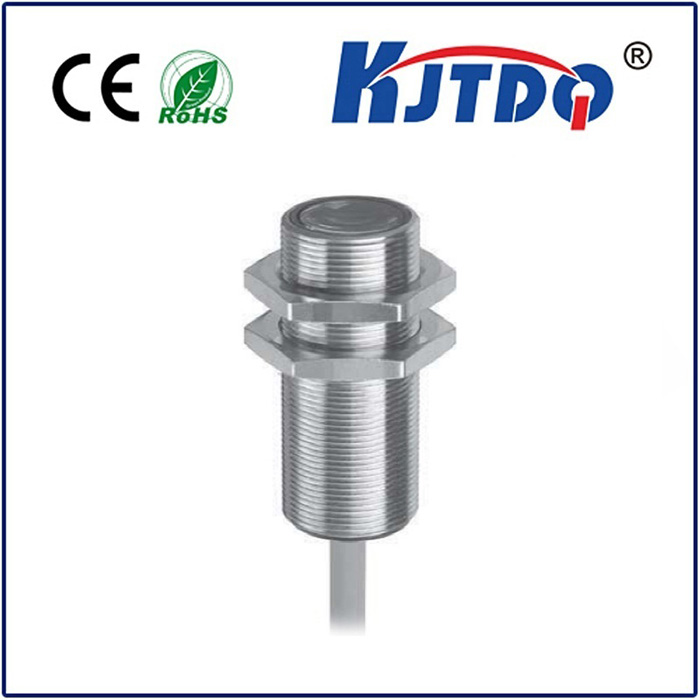
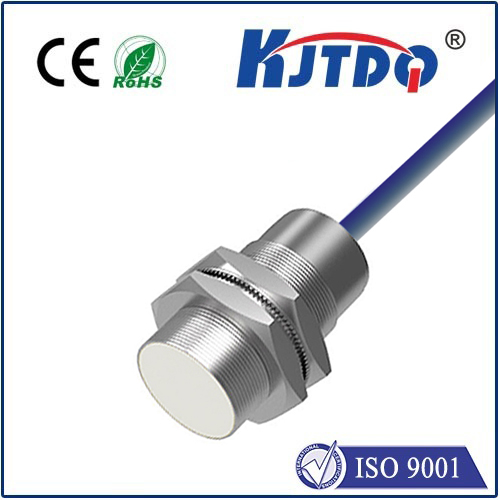
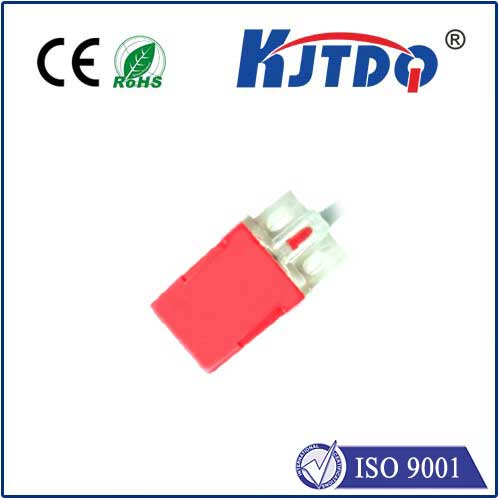
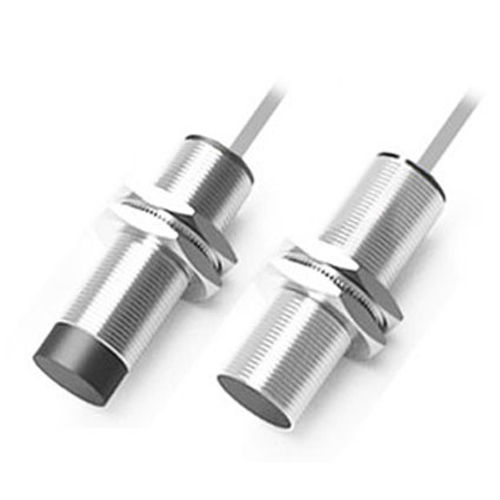
Title: Understanding the BES060T Inductive Proximity Sensor: A Comprehensive Guide The realm of industrial sensing technology is vast and ever-evolving, with new advancements continually enhancing efficiency, accuracy, and safety. Among the myriad of sensor technologies available today, inductive proximity sensors stand out for their versatility and reliability. One such standout model is the BES060T Inductive Proximity Sensor, a device that has garnered attention for its superior performance in various applications. This article delves into the intricacies of this sensor, exploring what makes it a preferred choice among industry professionals. Unveiling the Basics: What Is an Inductive Proximity Sensor? Before we delve into the specifics of the BES060T, let’s establish a fundamental understanding of what an inductive proximity sensor is. Unlike capacitive or photoelectric sensors that rely on direct contact or light detection, inductive proximity sensors operate based on the principle of electromagnetic induction. When a conductive target comes within range of the sensor, it alters the electromagnetic field generated by an oscillator inside the sensor, triggering a change in output signal. This non-contact method ensures longevity and durability even in harsh environments. Introducing the BES060T: Key Features and Specifications The BES060T Inductive Proximity Sensor is designed to excel in demanding industrial settings where precision and resilience are paramount. Here are some of its notable features: