check
check

check

check
check
check
check
check

check

check
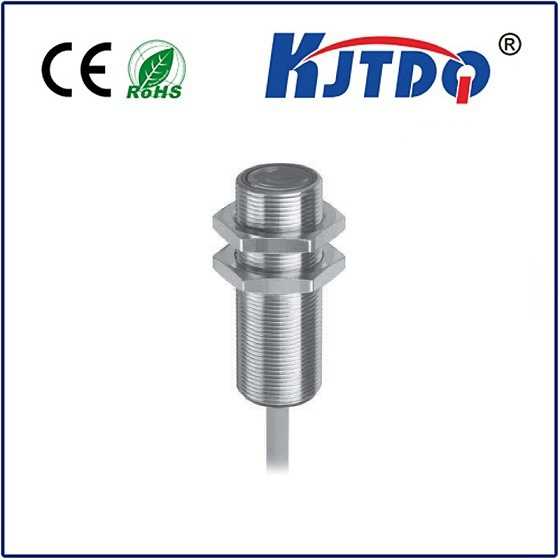
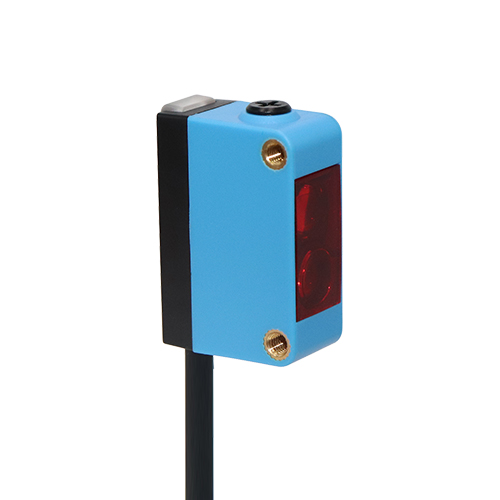
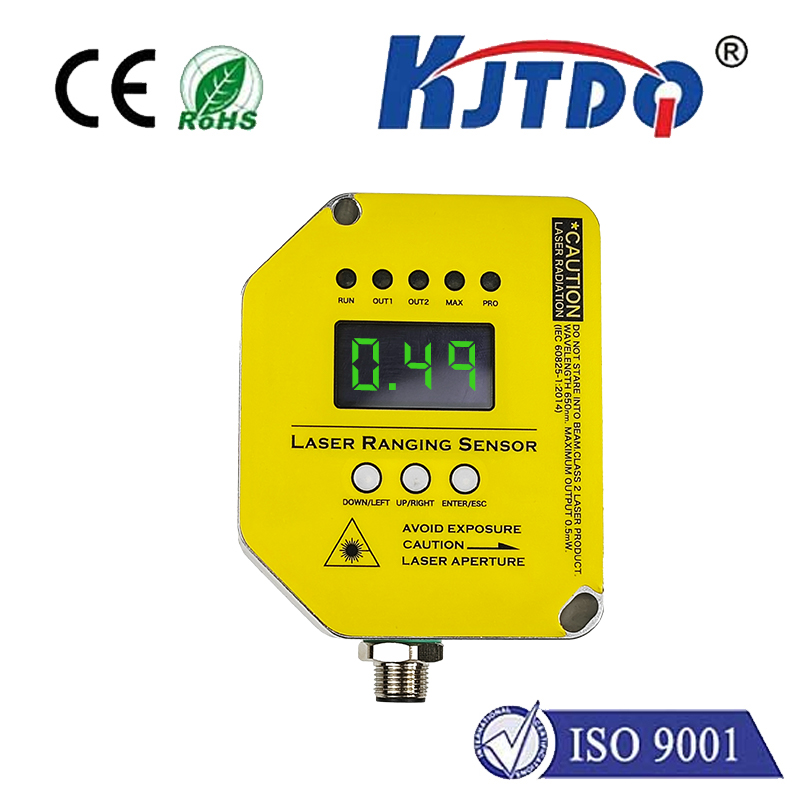
Title: Unlocking the Potential of Proximity Sensing with Probe Technology In the realm of modern technology, the importance of precise measurement and detection cannot be overstated. Among the various sophisticated tools designed for this purpose, the proximitor probe, or proximity sensor, stands out as a pivotal device in numerous applications across different industries. This article delves into the workings of proximitor probes, their significance, and the myriad ways they enhance efficiency and accuracy. Understanding Proximitor Probes At its core, a proximitor probe is an electronic instrument used to measure the distance between the probe and a target object without physical contact. These sensors operate based on principles like capacitive, inductive, or magnetic fields. Capacitive proximity sensors work by detecting changes in the electrical field caused by the presence of the target object. Inductive sensors rely on eddy currents induced in a metal target, while magnetic sensors detect changes in the magnetic field when a ferrous object comes close. Applications Across Industries The versatility of proximitor probes makes them indispensable in a wide array of sectors: