check

check

check

check
check
check
check
check

check

check
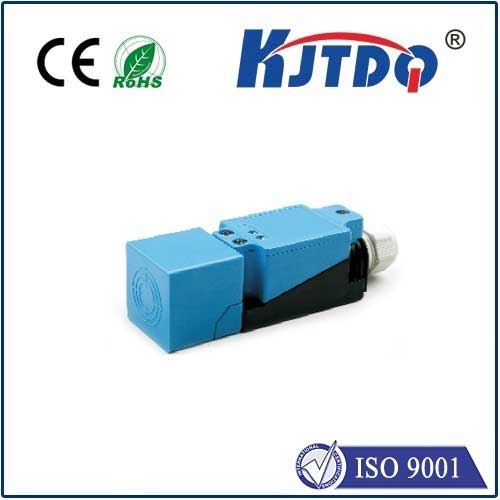
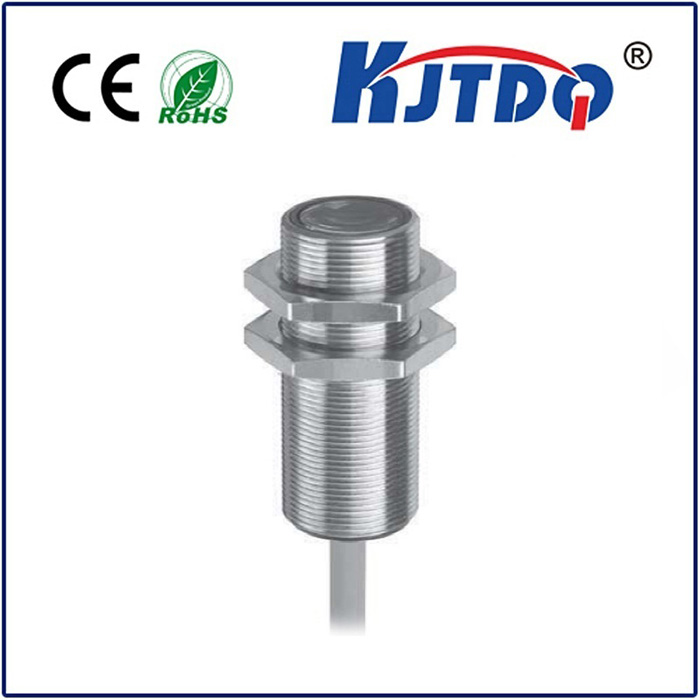
Title: The Essential Guide to Proximity Sensors: Unveiling the ‘No’ Factors in Modern Technology In today’s fast-paced world, technology plays an indispensable role in our daily lives. From smartphones to automated manufacturing systems, advancements have streamlined processes and enhanced user experiences. Among these technologies, proximity sensors stand out as critical components that enable devices to detect objects or users nearby without physical contact. However, not all proximity sensors are created equal. This article delves into the key considerations and challenges associated with proximity sensors, focusing on what we term as the ‘no’ factors—the limitations and drawbacks that can impact their effectiveness and reliability. Understanding Proximity Sensors: A Brief Overview Proximity sensors operate based on various principles such as capacitive, inductive, optical, or ultrasonic methods. They are designed to sense the presence of nearby objects within a certain range, converting this information into an electrical signal that can be interpreted by electronic systems. These sensors find applications across industries for tasks ranging from object detection in robotics to touchless controls in consumer electronics. The ‘No’ Factors: What You Should Know