check

check

check

check
check
check
check
check

check

check

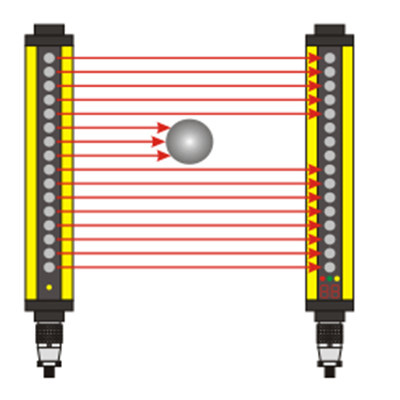
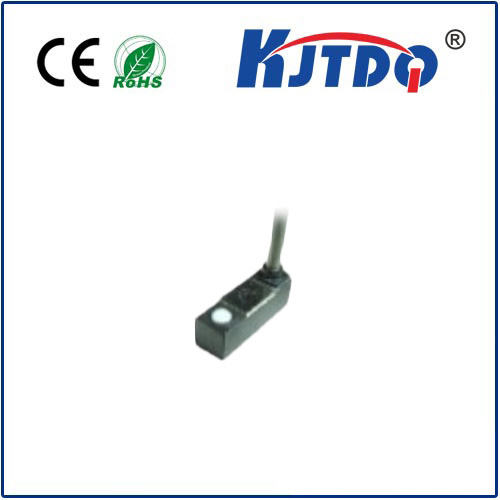
Title: Enhancing Human Safety and Efficiency with Advanced Proximity Sensors In the rapidly evolving landscape of technology, proximity sensors play a crucial role in enhancing human safety and improving operational efficiency across various industries. Among these sensors, proximity sensors for human detection stand out for their unique capabilities to monitor environments, ensuring that spaces remain secure while facilitating seamless interactions. This article delves into the significance, applications, and benefits of proximity sensors designed specifically for human detection. Understanding Proximity Sensors for Human Detection Proximity sensors for human detection are specialized devices engineered to sense the presence or absence of individuals within a specified range without physical contact. These sensors operate based on various principles such as infrared, ultrasonic, capacitive, or radar technologies, each offering specific advantages suited to different environments and requirements. Their primary function is to trigger actions or responses when humans enter or leave a predefined area, making them indispensable in scenarios requiring heightened awareness and automation. Applications Across Diverse Sectors The versatility of proximity sensors for human detection finds expression in numerous sectors: