check

check

check

check
check
check
check
check

check

check

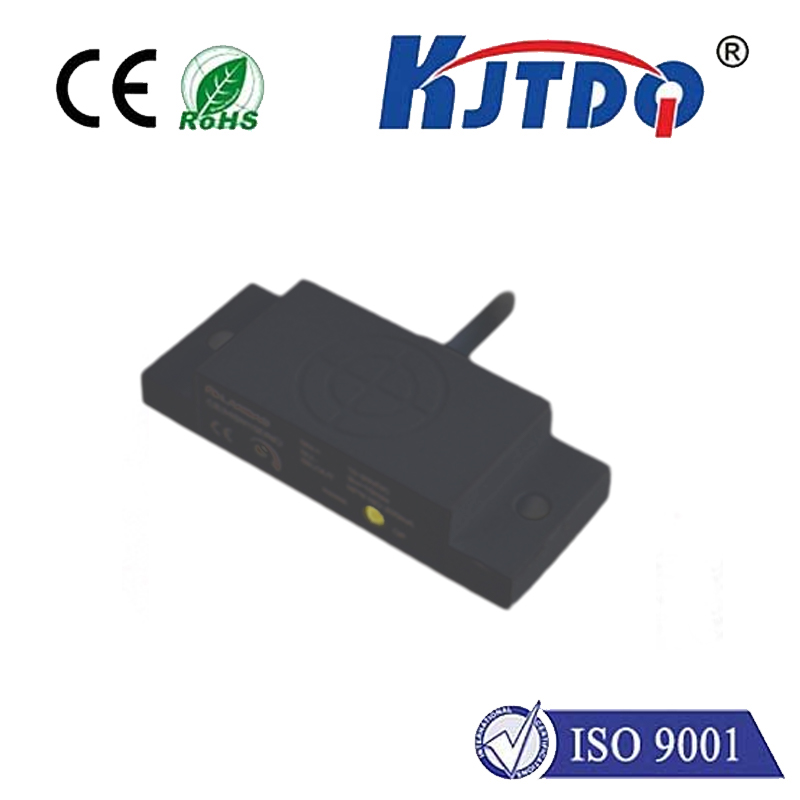
Harnessing the Power of Body Proximity Sensors: Transforming Human-Machine Interaction In an era where technology is seamlessly integrating into our daily lives, the role of sensors has become pivotal in creating a more intuitive and responsive world. Among these, body proximity sensors stand out for their ability to detect and respond to the presence or absence of humans within a certain range. This article delves into the fascinating realm of body proximity sensors, exploring their functionality, applications, and potential benefits across various industries. Understanding Body Proximity Sensors Body proximity sensors are electronic devices designed to detect objects or living beings within a specific distance from the sensor itself. Unlike traditional sensors that may require physical contact or complex algorithms for detection, these sensors utilize advanced technologies such as infrared (IR), capacitive sensing, or ultrasonic waves to sense proximity. When an object or person comes within the sensor’s range, it triggers a predetermined action like activating lights, opening doors automatically, or even powering up electronic devices. The sensitivity and range of these sensors can be adjusted based on the intended use case, making them incredibly versatile. Applications Across Industries One of the primary advantages of body proximity sensors lies in their broad applicability across different sectors: