check

check

check

check
check
check
check
check

check

check

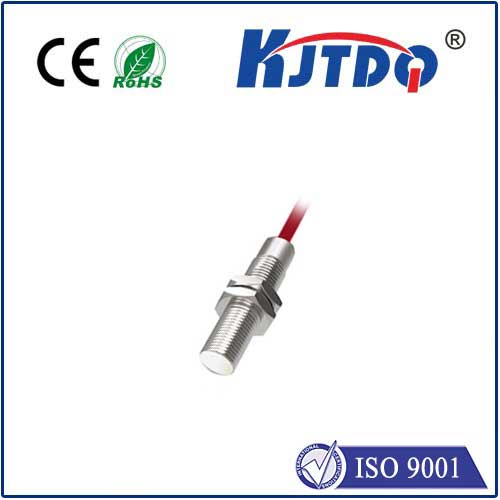
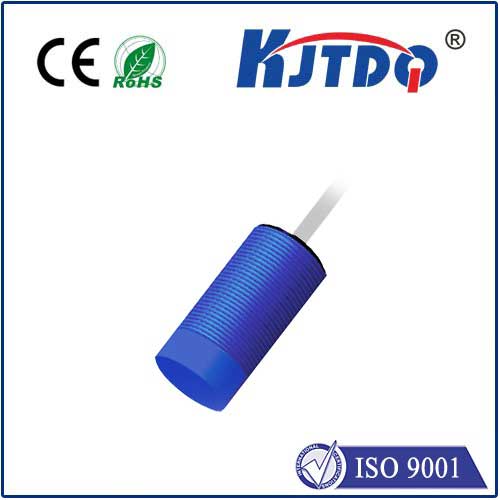
Title: Comprehensive Guide to 24 Volt Proximity Sensors In the realm of automation and sensor technology, proximity sensors play a crucial role in detecting the presence or absence of objects without any physical contact. Among these, the 24-volt proximity sensor stands out due to its compatibility with a wide range of industrial equipment and its reliable detection capabilities. In this comprehensive guide, we delve into the intricacies of the 24-volt proximity sensor, exploring its working principles, various types available in the market, and the multitude of applications it offers. Section 1: Understanding the Basics of Proximity Sensors A proximity sensor is a device that detects the presence or absence of nearby objects using electromagnetic fields, magnetic fields, or infrared light. Unlike touch sensors, proximity sensors do not require physical contact with the target object, making them ideal for a wide range of applications, from industrial automation to家用电器. Section 2: The Working Principle of 24-Volt Proximity Sensors The 24-volt proximity sensor operates on the principle of electromagnetic field disturbance. When an object made of a conductive material like metal comes within the vicinity of the sensor’s face, it disrupts the electromagnetic field produced by the sensor. This disruption is then detected by the sensor, triggering an output signal. This design makes the 24-volt proximity sensor suitable for detecting metallic objects at a certain distance, thereby providing accurate and efficient operation in various environments. Section 3: Exploring Different Types of 24-Volt Proximity Sensors Proximity sensors come in various types, each with its unique features and applications: