check

check

check

check

check

check

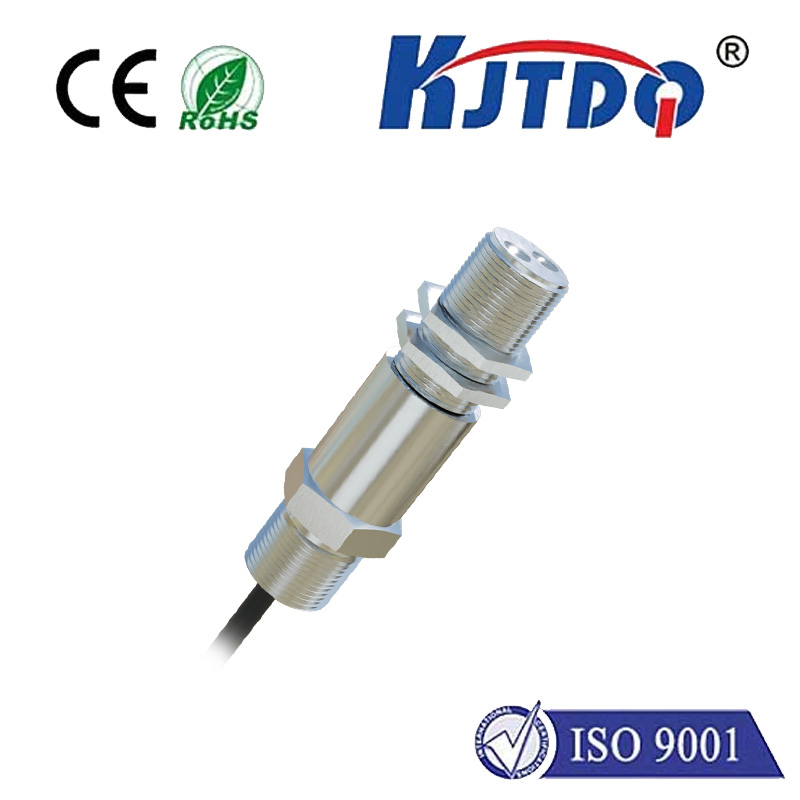
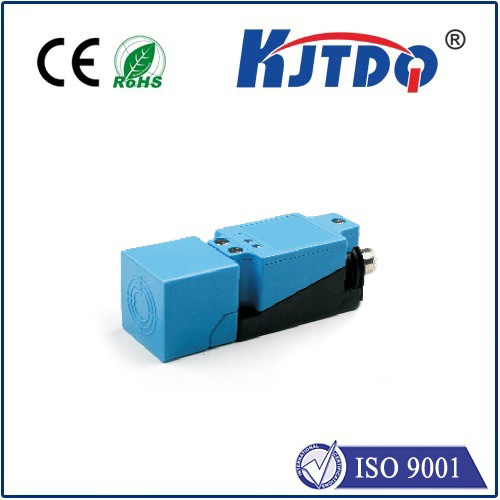
Title: The Role of Temperature Proximity Sensors in Modern Technologies In the rapidly evolving world of modern technology, temperature proximity sensors have emerged as an essential component, influencing a myriad of applications across various industries. These ingenious devices serve as unsung heroes behind the scenes, enabling everything from industrial automation to consumer electronics to function with precision and efficiency. In this article, we delve into the significance of temperature proximity sensors, their functionality, and the diverse domains in which they are employed. What is a Temperature Proximity Sensor? A temperature proximity sensor is a device designed to detect the presence of an object or a material without making physical contact. It does so by sensing the heat or infrared radiation emitted by the object, thus determining its proximity based on temperature differences. These sensors combine the principles of thermography and proximity detection, creating a powerful tool for measuring temperature and distance simultaneously. How Do Temperature Proximity Sensors Work? Temperature proximity sensors operate on various technologies, with infrared (IR) sensors being the most common among them. An IR temperature proximity sensor emits infrared radiation towards an object. The radiation reflects back to the sensor, where it is measured. By analyzing the intensity and wavelength of the returned IR light, the sensor can determine the object’s temperature and its distance away. This non-contact method is advantageous as it allows for safe and hygienic distance measurement, especially in environments where direct contact could be impractical or hazardous. Applications Across Industries The versatility of temperature proximity sensors makes them valuable in a wide array of sectors: