check

check

check

check

check

check

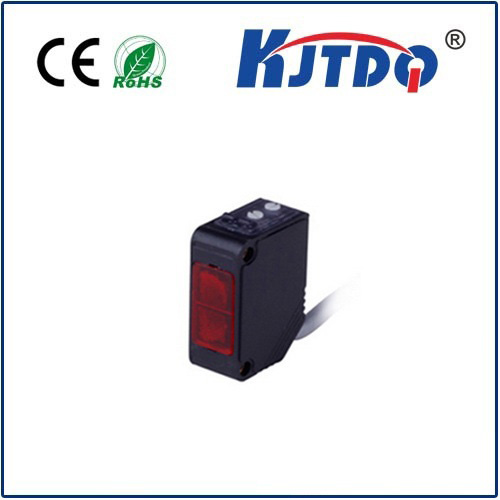
Title: Unveiling the Marvels of Micro Photoelectric Sensors Introduction In a world that’s growing increasingly interconnected, the role of sensors in our daily lives cannot be overstated. These tiny devices are the unsung heroes behind many of the conveniences we take for granted. Among the myriad types of sensors available, micro photoelectric sensors stand out due to their precision, versatility, and critical applications across various industries. This article delves into the fascinating realm of micro photoelectric sensors, elucidating their mechanisms, advantages, and the vast scope of their applications. Understanding Micro Photoelectric Sensors At their core, micro photoelectric sensors are designed to detect the presence or absence of an object by measuring changes in light. They consist of two main components: a light source, typically a Light Emitting Diode (LED), and a photodetector. When an object passes between the LED and the photodetector, it interrupts the light beam, causing a change in the electrical signal that can be processed for various purposes. The micro-scale dimensions of these sensors allow them to fit into spaces where larger sensors would be impractical, making them ideal for compact and precise measurement applications. Advantages of Micro Photoelectric Sensors Micro photoelectric sensors offer an array of benefits that make them superior in many scenarios: