check

check

check

check

check

check

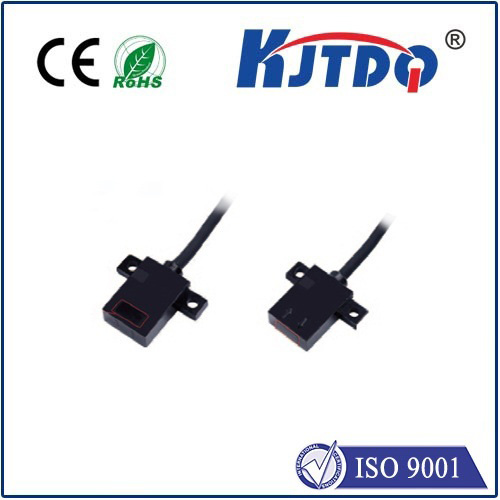
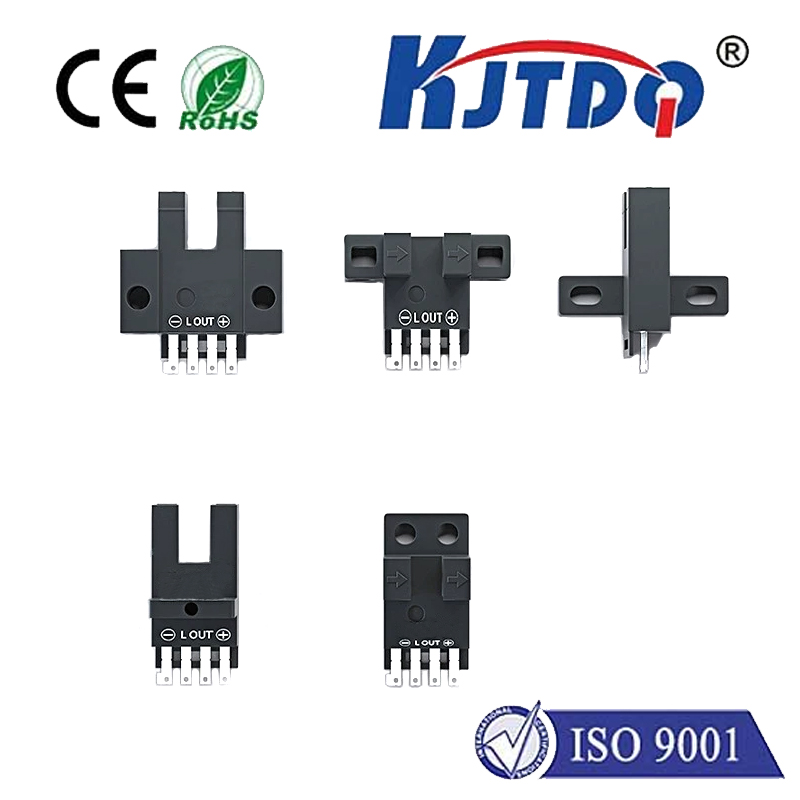
Title: Retro Reflective Photoelectric Sensor: A Comprehensive Guide Introduction In the world of automation and sensing technology, retro reflective photoelectric sensors have become increasingly popular due to their ability to detect objects without physical contact. This article will provide a comprehensive guide to understanding retro reflective photoelectric sensors, including their principles of operation, applications, advantages, and limitations. Principles of Operation A retro reflective photoelectric sensor consist of an infrared emitter, a lens, and a photodiode. The emitter sends out infrared light towards the object being detected. When the light hits the object, it reflects back towards the photodiode. The photodiode then converts this reflected light into an electrical signal that can be processed by a microcontroller or other electronic system. The key feature of a retro-reflective photoelectric sensor is its use of a reflector to direct the reflected light onto the photodiode. The reflector is typically made of a material with a high reflectivity, such as aluminum or glass beads. This ensures that even if the object being detected is not directly in front of the sensor, the reflected light will still be directed back to the photodiode. Applications Retro reflective photoelectric sensors are used in a wide range of applications, including industrial automation, automotive systems, security systems, and more. Some specific examples include: