check

check

check

check

check

check
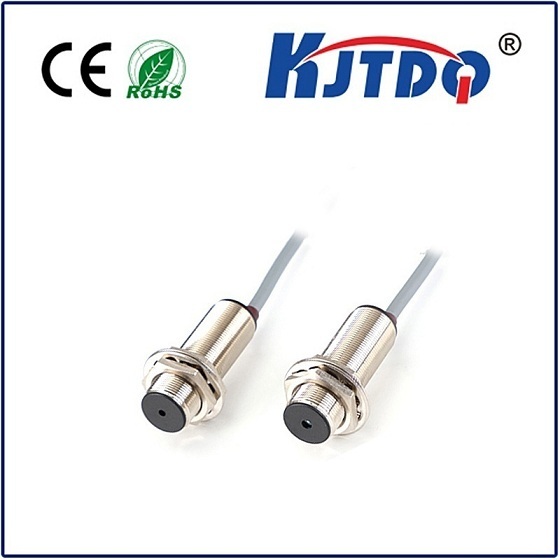
Title: Revolutionizing Industrial Automation with the Metal Proximity Sensor In the realm of industrial automation, where precision and efficiency are paramount, the metal proximity sensor has emerged as a cornerstone technology. As factories march towards the fourth industrial revolution, this unassuming device is playing a pivotal role in transforming the way processes are controlled and monitored. In this article, we will delve into what a metal proximity sensor is, its working principle, applications, and the advantages it brings to modern industrial settings. What is a Metal Proximity Sensor? A metal proximity sensor is an electronic gadget designed to detect the presence of metallic objects without any physical contact. It operates based on electromagnetic fields and can sense a wide range of metals, from ferrous to non-ferrous materials. When a metal object comes close to the sensor, it alters the electromagnetic field, triggering an output signal that indicates the presence of the metal. How Does a Metal Proximity Sensor Work? The operation of a metal proximity sensor revolves around inductive or capacitive sensing technology. In inductive sensors, an oscillating magnetic field is generated by passing an electrical current through a coil. This field extends beyond the sensor’s surface and when intercepted by a conductive metal object, induces eddy currents within the object. The sensor detects these changes and converts them into an electrical output. On the other hand, capacitive sensors use a combination of plates and an electric field to detect the change in capacitance caused by the metal’s presence. Applications of Metal Proximity Sensors Metal proximity sensors are incredibly versatile and find applications across various industries due to their reliability and ease of use. They are commonly found in: