check

check

check

check

check

check
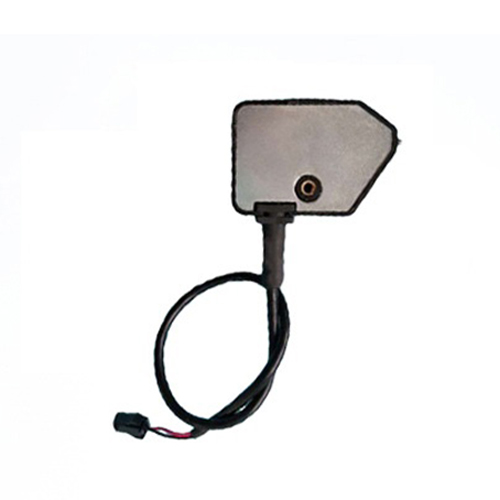
In industrial automation and process control, the ability to accurately and reliably detect objects or monitor conditions under extreme pressure is not just a convenience—it's a critical necessity for safety, efficiency, and system integrity. This is where specialized components like the BHS001N High Pressure Proximity Sensor come into play, engineered to perform where standard sensors would fail. This guide delves into the core features, applications, and selection criteria for this robust sensing solution, providing essential insights for engineers and procurement specialists.
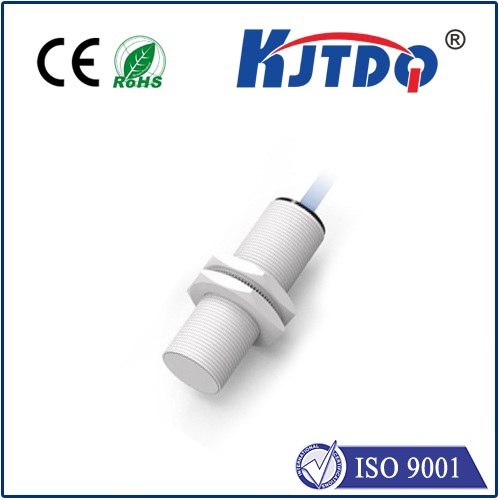
The BHS001N is fundamentally designed to operate in environments with significantly elevated pressure levels, such as those found in hydraulic systems, high-pressure cleaning equipment, injection molding machines, and deep-sea applications. Unlike conventional inductive or capacitive proximity sensors, the BHS001N is built with a housing and sensing element that can withstand substantial external pressure without compromising its detection capabilities or structural integrity. Its core technology often involves a hermetically sealed design, preventing media ingress that could cause malfunction under stress. The sensing mechanism itself is tuned to maintain a stable switching point regardless of the ambient pressure fluctuations, ensuring consistent and repeatable operation. This reliability is paramount in preventing downtime in continuous production processes or avoiding hazardous situations in safety-critical systems.
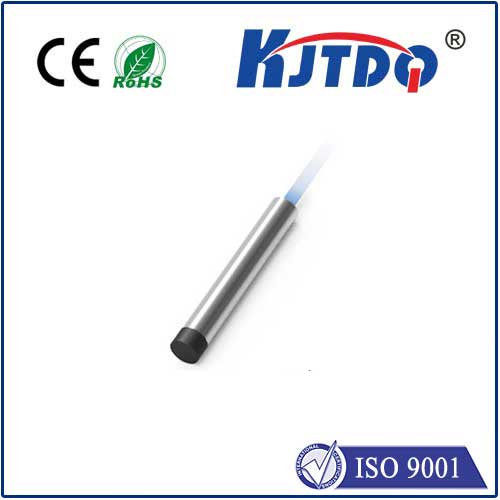
Key technical specifications typically define the BHS001N's suitability for a project. The most crucial parameter is its rated pressure resistance, often specified in bar, psi, or MPa. It's vital to select a sensor with a maximum pressure rating that exceeds the peak operating pressure of the system, incorporating a safety factor. Other important specifications include the sensing distance, which might be slightly affected by high-density media, the output type (e.g., PNP, NPN, analog, or IO-Link), the housing material (commonly stainless steel like 316L for corrosion resistance), and the ingress protection rating (usually IP67, IP68, or IP69K). The BHS001N series often features a compact and rugged threaded barrel design (e.g., M8, M12, M18) for easy installation directly into pressurized ports or manifolds.
The application spectrum for a high-pressure proximity sensor like the BHS001N is vast. In the automotive industry, it monitors piston position in high-pressure die-casting machines. In the oil and gas sector, it is used on subsea equipment and wellhead controls. Food and beverage manufacturers utilize it in high-pressure sterilization (pascalization) processes. Furthermore, it plays a key role in testing rigs for pressure vessels, in plastic extrusion lines, and in heavy-duty mobile hydraulics for construction machinery. In each case, the sensor provides a vital feedback signal—confirming the position of a valve actuator, detecting the presence of a component within a pressurized chamber, or signaling the end of a stroke in a hydraulic cylinder.
Selecting the correct BHS001N sensor requires a thorough analysis of the operating environment. Beyond the maximum pressure, consider the media type (oil, water, aggressive chemicals), temperature range, required electrical connections, and the need for certifications (ATEX for explosive atmospheres, FDA compliance for food contact). Consulting with a technical specialist or the sensor manufacturer's datasheets is highly recommended to match the exact model variant to the application's demands. Proper installation is equally critical; following torque specifications during mounting is essential to maintain the seal integrity without damaging the sensor body.
In conclusion, the BHS001N High Pressure Proximity Sensor represents a specialized tool for a challenging niche. Its value lies in its engineered resilience, providing dependable non-contact detection in conditions that would incapacitate ordinary sensors. For industries pushing the boundaries of pressure-intensive operations, investing in such purpose-built components is a strategic decision that safeguards equipment, optimizes processes, and ensures operational continuity. By understanding its capabilities and application parameters, engineering teams can effectively integrate this sensor to enhance the robustness and intelligence of their high-pressure systems.