check

check

check

check

check

check
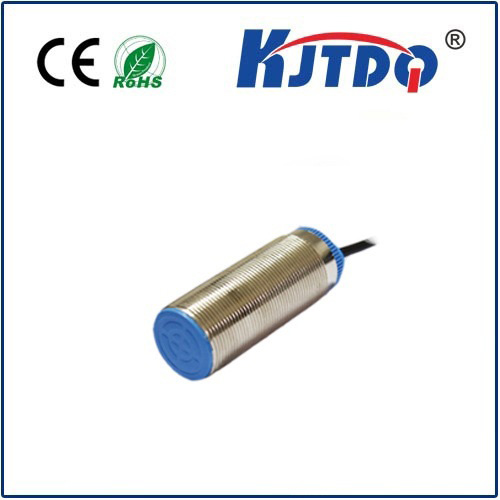
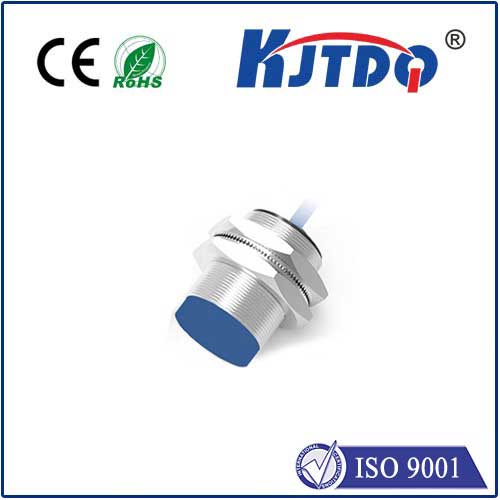
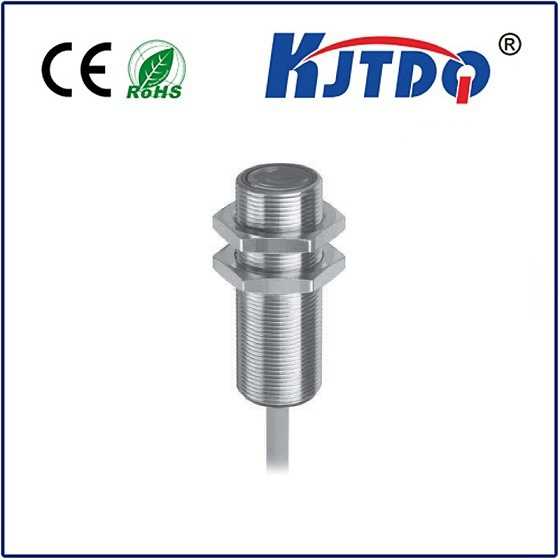
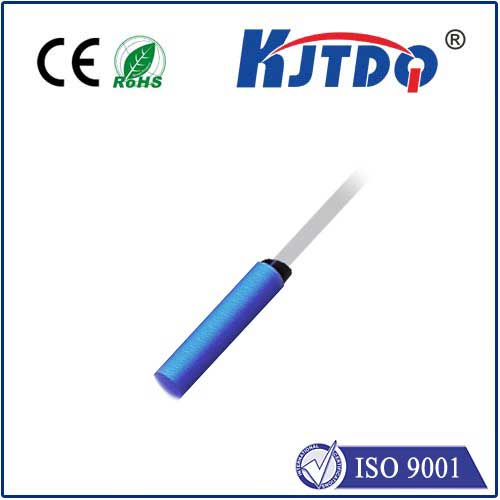
In the relentless world of industrial automation, where machinery operates under extreme pressures and in unforgiving conditions, sensor failure is not an option. Downtime translates directly to lost productivity and revenue. This is where the BES M18EI-PSC72B-S04G-S01, also known as the BES02NK High Pressure Proximity Sensor, steps in as a paragon of reliability and durability. Engineered for applications where standard sensors falter, this device is specifically designed to withstand high-pressure washdowns, corrosive atmospheres, and intense mechanical stress, making it an indispensable component in sectors like food and beverage processing, chemical manufacturing, and heavy machinery.
The core of its resilience lies in its robust construction. The sensor features a solid stainless steel housing (typically AISI 303 or 316L), providing exceptional resistance to corrosion from aggressive cleaning agents, salty environments, or chemical splashes. Its high-pressure rating, a defining characteristic, ensures that the internal electronics remain completely sealed and protected even during direct, high-velocity spray cleaning procedures common in hygienic industries. This IP69K rating for water and dust ingress protection is not just a specification; it's a guarantee of continuous operation in the most demanding washdown stations.
Beyond its physical toughness, the BES M18EI-PSC72B-S04G-S01 excels in performance. Utilizing a high-quality PNP switching output (as indicated by the 'P' in the model code), it offers a stable and reliable signal for modern programmable logic controllers (PLCs). The 'S04G' and 'S01' designations often refer to specific sensing ranges and connection types, ensuring precise detection of metallic targets. Its inductive sensing principle allows for non-contact detection, meaning there is no physical wear and tear from repeated actuation, leading to a dramatically extended service life compared to mechanical switches. This non-contact operation also enables high switching frequencies, suitable for fast-moving production lines.
Installation and integration are streamlined for efficiency. The standard M18 x 1 threaded barrel allows for quick and easy mounting in standard fixtures. The pre-wired connector or cable outlet variant (as per ordering code) simplifies electrical connections, reducing commissioning time. Furthermore, its consistent performance across a wide temperature range ensures reliability whether installed on a freezing cold storage conveyor or near a hot processing oven. The built-in LED status indicator provides immediate visual feedback on the sensor's operational state, aiding in rapid troubleshooting and maintenance.
The practical applications are vast. In a bottling plant, rows of these sensors reliably detect aluminum cans on high-speed filling lines, enduring daily caustic washdowns without fail. In hydraulic systems, they monitor piston position within cylinders, their robust housing shrugging off the high internal pressures. Within automotive assembly, they ensure robotic arms pick and place components with millimeter precision, immune to the ambient oil mist and coolant sprays. The BES02NK variant represents a specific, optimized configuration within this family, trusted by engineers for its proven track record in challenging scenarios.
Choosing the right sensor is a critical engineering decision. Opting for a general-purpose sensor in a high-pressure or corrosive environment is a recipe for frequent failures and operational headaches. The BES M18EI-PSC72B-S04G-S01 (BES02NK) High Pressure Proximity Sensor is engineered as a definitive solution. It represents not just a component purchase, but an investment in plant uptime, product quality, and long-term operational cost savings. By specifying this sensor, engineers and maintenance managers secure a layer of predictable performance, ensuring that their automation systems can withstand the real-world pressures of modern industry, day in and day out.