check

check

check

check

check

check
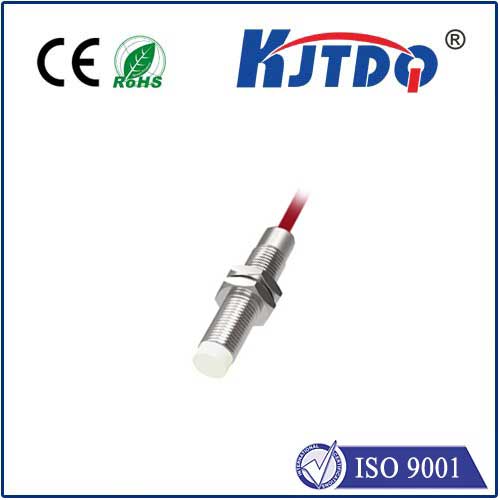
In the demanding world of industrial automation and process control, the reliability and precision of sensor technology are non-negotiable. Among the critical components ensuring operational safety and efficiency, proximity sensors stand out. Specifically designed for harsh environments, the BD3-P4-M14S High Pressure Proximity Sensor represents a pinnacle of engineering, offering robust performance where it matters most. This guide delves into its features, applications, and the significant advantages it brings to modern industrial setups.
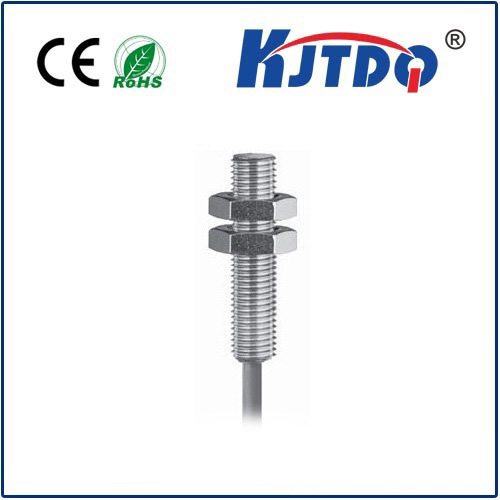
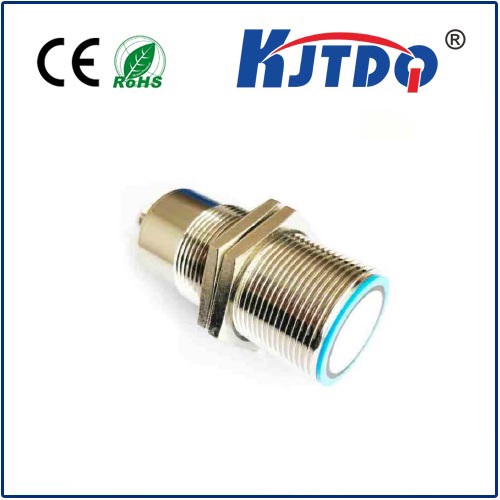
The BD3-P4-M14S is engineered to excel in high-pressure conditions that would compromise standard sensors. Its core functionality is based on a rugged inductive sensing principle, allowing it to detect metallic targets without physical contact. This non-contact operation is crucial in high-pressure systems, as it eliminates mechanical wear and tear, dramatically extending the sensor's service life and reducing maintenance downtime. The housing is typically constructed from high-grade stainless steel, providing exceptional resistance to corrosion, pressure shocks, and mechanical stress. A key feature is its impressive pressure rating, often capable of withstanding environments exceeding several hundred bar, making it ideal for hydraulic systems, injection molding machines, and heavy-duty press applications.
One of the standout attributes of the BD3-P4-M14S is its unwavering accuracy and stability. Even under fluctuating pressure and temperature conditions, this sensor maintains a consistent sensing distance and delivers a reliable switch signal. This repeatability is vital for processes where precision timing and positioning are critical, such as in automated assembly lines or valve position monitoring. The sensor incorporates advanced sealing technologies, often meeting IP67 or higher ingress protection ratings. This ensures complete immunity to dust, oil, and coolant ingress, guaranteeing reliable operation in dirty or wet industrial environments. The M14 threaded barrel design allows for easy and secure installation, facilitating quick integration into existing machinery.
The applications for the BD3-P4-M14S High Pressure Proximity Sensor are vast and varied across multiple industries. In the automotive sector, it is indispensable for monitoring hydraulic cylinders in stamping presses and robotic welding cells. Within the oil and gas industry, it plays a vital role in subsea equipment and high-pressure pipeline valve control, where failure is not an option. Manufacturers of plastic injection molding machines rely on these sensors for precise detection of mold clamping positions under extreme pressure. Furthermore, in the realm of heavy machinery and marine engineering, the sensor ensures the safe and efficient operation of hydraulic winches, steering gears, and power packs.
Choosing the BD3-P4-M14S translates to tangible operational benefits. Its extreme durability directly reduces total cost of ownership by minimizing replacement frequency and unplanned stoppages. The enhanced process reliability it provides leads to higher product quality and reduced waste. Most importantly, its fail-safe design contributes significantly to overall plant safety, preventing accidents caused by undetected machine movements or pressure failures. When selecting a sensor for high-pressure applications, factors such as the specific pressure range, required sensing distance, target material, electrical output type (PNP/NPN), and connection style must be carefully considered to ensure optimal performance.
In conclusion, the BD3-P4-M14S High Pressure Proximity Sensor is more than just a component; it is a cornerstone of resilient and efficient industrial automation. Its ability to deliver precise, non-contact detection in the most challenging high-pressure environments makes it a trusted solution for engineers and maintenance professionals worldwide. By ensuring machine integrity, process consistency, and operator safety, this sensor empowers industries to push the boundaries of productivity and innovation. For systems where pressure is a constant factor, investing in the robust technology of the BD3-P4-M14S is a strategic decision for long-term operational success.