check

check

check

check

check

check
In the demanding world of industrial automation and process control, the reliability and accuracy of sensing technology are non-negotiable. Among the myriad of components that keep complex machinery running smoothly, the humble proximity sensor plays a pivotal role. When operating under extreme conditions, such as high-pressure environments, the choice of sensor becomes critical. This is where specialized solutions like the KGG08P2KDC High Pressure Proximity Sensor come into play, offering unparalleled performance where standard sensors would fail.
The KGG08P2KDC is engineered specifically for applications involving elevated pressure levels. Unlike conventional inductive or capacitive proximity sensors, this model is built with a robust housing and internal architecture designed to withstand significant external pressure without compromising its sensing capabilities. Its core function remains to detect the presence or absence of a metallic target without any physical contact, but it does so reliably within chambers, hydraulic systems, or submerged applications where pressure is a constant factor. The "KGG08P2KDC" designation typically indicates a specific series known for its durability, precise sensing distance, and high-pressure rating, often utilized in oil and gas, heavy machinery, marine engineering, and high-pressure testing facilities.
One of the primary advantages of the KGG08P2KDC sensor is its exceptional resilience. The housing is frequently constructed from high-grade stainless steel or similarly rugged materials, providing excellent resistance to corrosion, mechanical stress, and, most importantly, pressure ingress. This ensures that the sensitive electronic components inside remain fully functional. The sensing face is also reinforced to prevent deformation. This durability translates directly into reduced downtime and maintenance costs, as the sensor can endure harsh operational cycles that would quickly degrade lesser components.
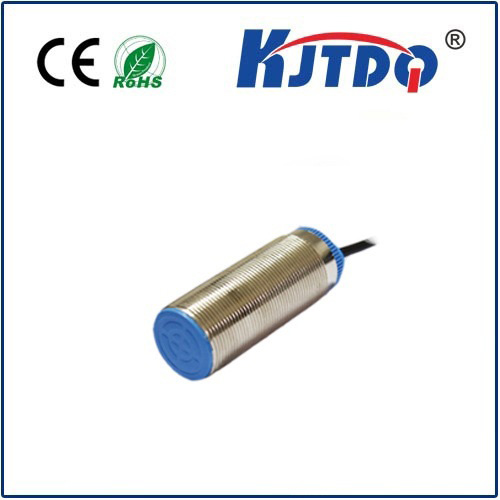
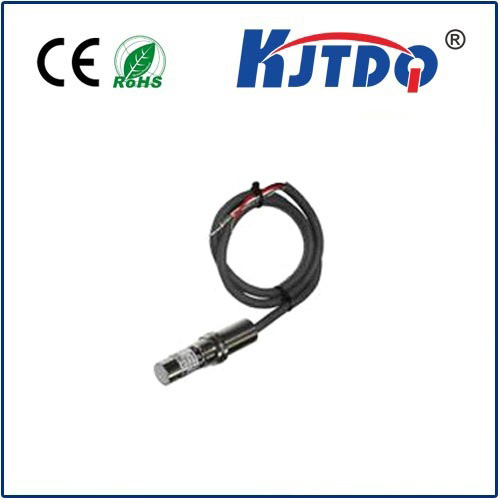
Installation and integration of the KGG08P2KDC are streamlined for industrial settings. It often features a standard threaded barrel design (e.g., M8, M12, or M18), allowing for easy mounting in pre-drilled holes on machinery frames, pressure vessels, or pipeline systems. The electrical connection is typically via a pre-wired cable or a quick-disconnect connector, offering flexibility for various control cabinet setups. Output signals are commonly NPN or PNP transistor-based, making them directly compatible with Programmable Logic Controllers (PLCs) and standard industrial control systems. This plug-and-play compatibility is essential for minimizing installation time and complexity.
The operational principle behind the KGG08P2KDC is based on electromagnetic induction. The sensor generates an oscillating electromagnetic field from its active face. When a ferrous or non-ferrous metal target enters this field, eddy currents are induced in the target, which dampens the oscillation within the sensor's coil. This change is detected by the internal circuitry, which then switches the output state. This non-contact method is ideal for high-pressure environments because it eliminates the need for mechanical linkages or seals that could be potential failure points under stress. The sensor is designed to maintain a stable sensing distance (e.g., 2mm, 4mm) even when external pressure fluctuates, ensuring consistent and repeatable detection.
Real-world applications for the KGG08P2KDC High Pressure Proximity Sensor are vast and critical. In hydraulic press systems, it is used for precise position detection of rams or platens under immense fluid pressure. Within subsea equipment, it monitors valve positions or component alignment despite the crushing pressures of deep water. In the oil and gas industry, these sensors are deployed in drilling equipment, Christmas trees, and pipeline valves to provide vital feedback for control and safety systems. They are also found in high-pressure pump monitoring, die-casting machines, and any automated system where reliable object detection must coexist with a pressurized environment.
Selecting the right high-pressure proximity sensor requires careful consideration of several parameters beyond just the pressure rating. For the KGG08P2KDC or its equivalents, key specifications to review include the nominal sensing distance, supply voltage range (commonly 10-30V DC), output current capacity, operating temperature range, and the specific pressure rating (often given in bar or PSI). It is also crucial to verify the Ingress Protection (IP) rating, which should be IP67 or higher to guarantee protection against dust and temporary immersion, a common companion to high-pressure conditions. Ensuring the sensor's material is compatible with the surrounding medium (e.g., hydraulic oil, seawater) is another vital step.
Maintenance for a well-chosen KGG08P2KDC sensor is typically minimal due to its non-contact nature and rugged build. However, regular checks are recommended. The sensing face should be kept clean from accumulations of metal shavings, grease, or other debris that could theoretically interfere with the electromagnetic field, though its design often mitigates this. Periodically verifying the electrical connection for integrity and checking the output signal with a meter during operation can preempt any issues. Its primary maintenance advantage is its longevity and set-and-forget reliability when applied within its specified limits.
In conclusion, the KGG08P2KDC High Pressure Proximity Sensor represents a specialized tier of industrial sensing technology. It addresses the unique challenge of providing accurate, non-contact detection in environments where pressure is not just a variable but a dominant operational condition. By offering robust construction, reliable performance, and easy integration, it serves as a key enabler for safety, efficiency, and automation in some of the most demanding industries. For engineers and system designers, specifying a sensor like the KGG08P2KDC is an investment in system resilience, ensuring that the sensing layer—a fundamental input for any control system—remains dependable under pressure, literally and figuratively.