check

check

check

check

check

check
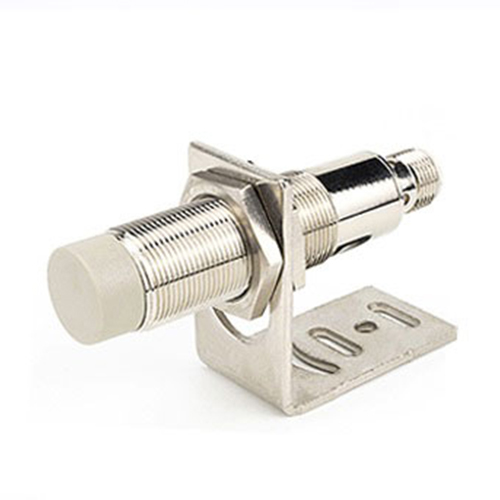
In the demanding world of industrial automation, precision, reliability, and durability are non-negotiable. Equipment must perform flawlessly under extreme conditions, from high-pressure environments to areas with significant vibration and contamination. This is where the KGG12P3KNC High Pressure Proximity Sensor steps in, engineered to be the robust and dependable solution for applications where standard sensors fail. Its design and performance characteristics directly address the core challenges faced in sectors like heavy machinery, hydraulic systems, and high-pressure processing.
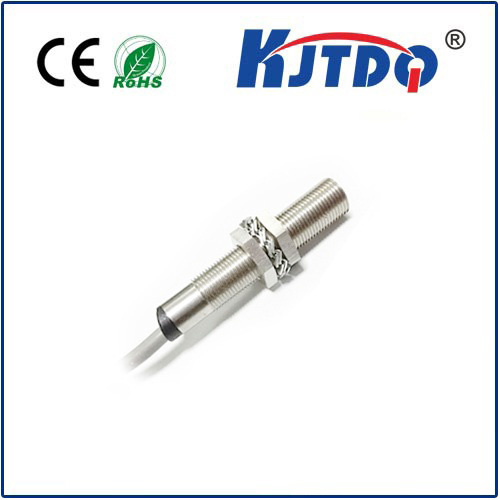
The defining feature of the KGG12P3KNC is its exceptional resilience to high-pressure environments. Unlike conventional inductive sensors that might deform or malfunction under intense physical stress, this sensor is built with a reinforced housing and sensing face. This construction allows it to operate reliably in systems where hydraulic pressure or mechanical force is a constant factor. It can detect the presence or absence of metallic objects—such as pistons, valves, or machine parts—with unwavering accuracy, even when these objects are subjected to or generating substantial pressure. This capability is critical for preventing machine downtime and ensuring synchronized operations in assembly lines, press machines, and injection molding equipment.
Beyond pressure resistance, the KGG12P3KNC excels in environmental toughness. It typically boasts high ingress protection ratings, making it resistant to dust, oil, and coolants commonly found in industrial settings. This IP67 or higher rating ensures that internal components remain shielded from contaminants that could otherwise lead to premature failure. Furthermore, its design often incorporates resistance to electromagnetic interference (EMI), guaranteeing stable signal output even in electrically noisy environments near motors, welders, or frequency drives. The sensor's robust build also translates to excellent vibration and shock resistance, a must-have for applications on mobile machinery, forging hammers, or heavy-duty conveyors.
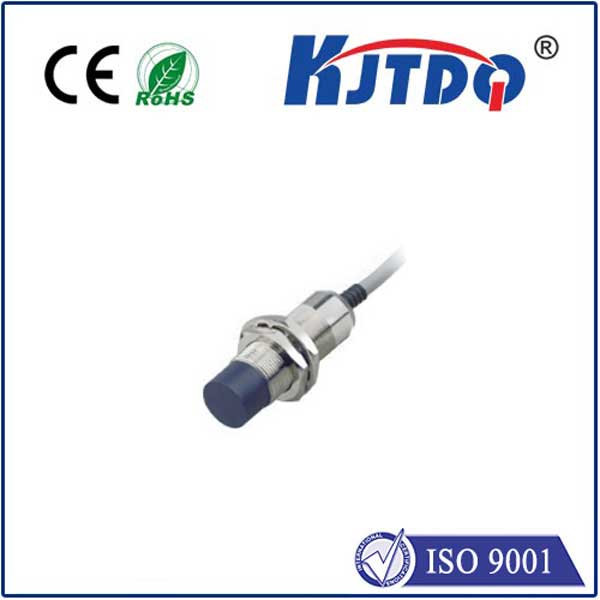
Installation and integration are streamlined for efficiency. The KGG12P3KNC is frequently available in standard form factors, such as M12 or M18 threaded barrels, allowing for easy replacement or upgrade in existing setups. Its wiring is straightforward, often featuring a pre-wired cable or a quick-disconnect connector for simplified maintenance. The output signal, whether PNP (sourcing) or NPN (sinking), is compatible with a wide range of programmable logic controllers (PLCs) and control systems. This plug-and-play philosophy minimizes installation time and reduces the potential for wiring errors, getting systems operational faster.
The operational benefits translate directly into tangible cost savings and enhanced productivity. By providing a fail-safe detection method in critical high-pressure points, the sensor helps avoid catastrophic machine collisions, misaligned parts, and process errors. This proactive damage prevention reduces maintenance costs, spare part expenditures, and unplanned production halts. Its long service life, a direct result of its rugged construction, means fewer replacements and lower total cost of ownership over time. For plant managers and engineers, this reliability is synonymous with increased overall equipment effectiveness (OEE) and a stronger bottom line.
Practical applications for the KGG12P3KNC are vast and varied. In hydraulic power units, it monitors piston position within cylinders with precision. In die-casting machines, it confirms mold closure under immense tonnage. Within automotive manufacturing, it ensures robotic arms and clamps are in position before a high-pressure weld or stamping cycle begins. It is equally valuable in the oil and gas sector for monitoring valve positions on high-pressure lines, and in packaging machinery for detecting metal components during high-speed, high-force operations. Anywhere metal detection must occur in a punishing physical environment, this sensor is a prime candidate.
Selecting the right sensor involves confirming key specifications. For the KGG12P3KNC, important parameters include its sensing range, which is optimized for short-distance, high-precision detection of ferrous and non-ferrous metals. The operating voltage range, typically 10-30V DC, ensures compatibility with standard industrial power supplies. Its switching frequency defines how quickly it can detect objects in high-speed applications. Always consult the manufacturer's datasheet to match the sensor's exact specifications—including pressure rating, temperature range, and output type—with the demands of the specific application.
In conclusion, the KGG12P3KNC High Pressure Proximity Sensor is not merely a component; it is a strategic asset for modern industry. It embodies the convergence of mechanical fortitude and sensing intelligence, designed to deliver consistent performance where it is needed most. By solving the inherent problems of sensing in high-pressure, harsh industrial environments, it empowers businesses to build more resilient, efficient, and safe automated systems. For engineers seeking to eliminate a point of failure and bolster their machinery's capabilities, implementing this sensor represents a smart, forward-thinking investment in operational excellence.