check

check

check

check

check

check
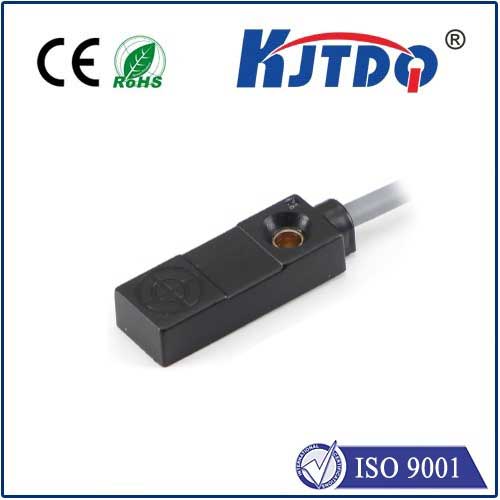
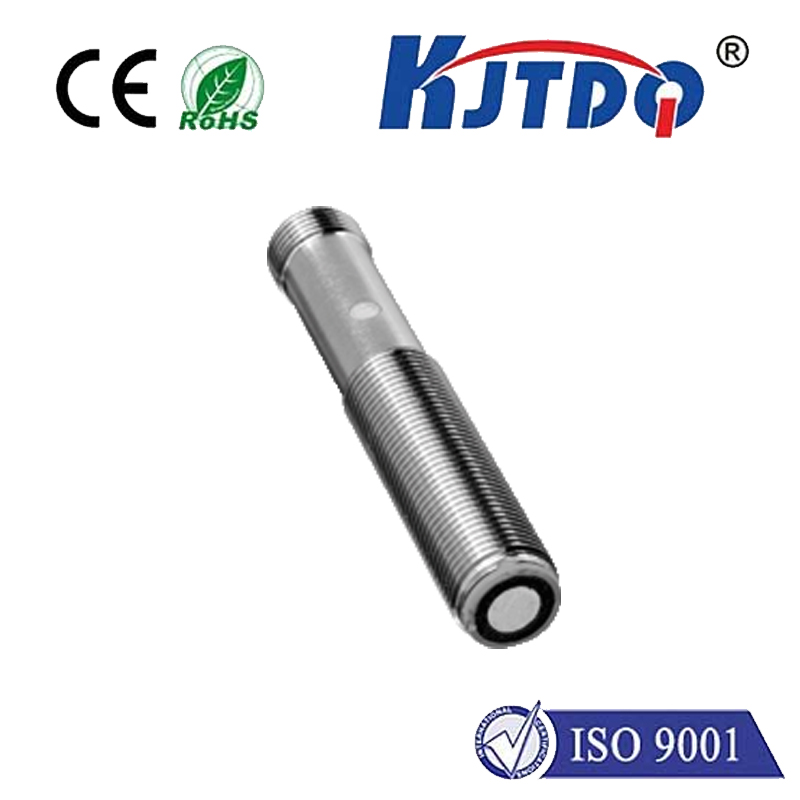
In the relentless world of industrial automation, where machinery operates under extreme pressures and within tight tolerances, the failure of a single component can cascade into costly downtime and compromised safety. This is where precision sensing technology becomes not just an advantage, but a critical necessity. The KJTDQ DW-AS-503-P12-627 High Pressure Proximity Sensor stands as a testament to engineering excellence, specifically designed to deliver unwavering reliability in the most challenging applications.
Traditional inductive proximity sensors often falter when confronted with the dual threats of high ambient pressure and the need for precise non-contact detection. The DW-AS-503-P12-627 model directly addresses these challenges. Its core innovation lies in a hermetically sealed, robust housing engineered to withstand pressures far exceeding standard industrial environments. This makes it an indispensable asset in sectors like hydraulic systems, deep-sea equipment, high-pressure processing vessels, and specialized manufacturing lines where internal or external pressure is a constant factor.
Beyond its pressure resilience, the sensor excels in its fundamental duty: detection. Utilizing a high-frequency oscillation principle, it can reliably sense the presence of metallic targets without any physical contact. The "P12" in its designation typically refers to a 12mm sensing distance, offering a practical range for precise positioning and control of pistons, valves, or machine parts. The "627" often denotes specific electrical characteristics, such as a PNP normally-open (NO) configuration with a 3-wire DC connection, ensuring seamless integration into modern programmable logic controller (PLC) systems. This combination provides plant engineers with a signal that is both accurate and immune to the wear and tear associated with mechanical switches.
Durability is woven into every aspect of the DW-AS-503-P12-627's design. The housing is typically constructed from high-grade stainless steel or nickel-plated brass, providing exceptional resistance to corrosion, impacts, and chemical splashes. The sensing face is protected to prevent damage from accidental contact with targets or debris. Furthermore, these sensors are built to perform consistently across a wide temperature range, ensuring functionality whether installed on a furnace line or in a refrigerated processing unit. This ruggedness translates directly into a lower total cost of ownership, reducing the frequency of replacements and maintenance interventions.
The practical applications for this sensor are vast and varied. In the oil and gas industry, it monitors the position of components within blowout preventers or high-pressure valves. In plastic injection molding, it verifies mold clamping sequences under tremendous tonnage. Within heavy-duty hydraulic presses, it provides critical feedback on cylinder rod position, enabling precise control of force and movement. It also finds a home in automated high-pressure cleaning systems, test bench equipment, and any machinery where reliable operation under stress is non-negotiable.
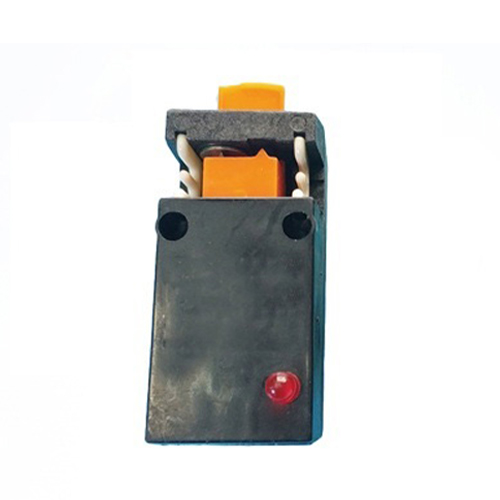
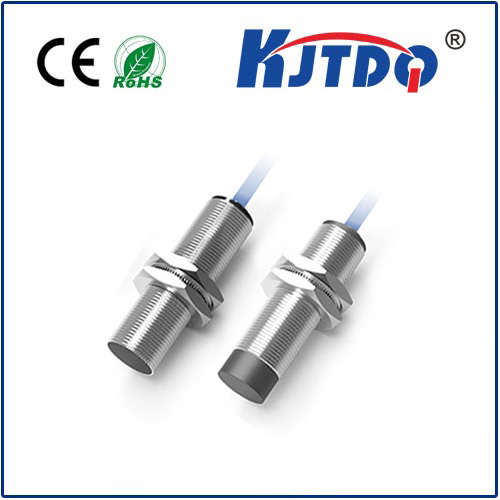
Installation and integration are straightforward. The sensor's compact, cylindrical form factor (like an M18 or M30 thread) allows for easy mounting in confined spaces. Its LED status indicator provides instant visual confirmation of power and operation, simplifying setup and troubleshooting. When selecting a sensor for a high-pressure application, the DW-AS-503-P12-627 offers a compelling package: proven pressure tolerance, precise and contactless sensing, industrial-grade ruggedness, and easy implementation. It represents a strategic investment in system integrity, moving beyond being merely a component to becoming a cornerstone of operational reliability and safety.
For maintenance teams and system designers, specifying this sensor means choosing a predictable and robust performer. It eliminates a common point of failure in harsh conditions, thereby enhancing overall equipment effectiveness (OEE). In an era where efficiency and uptime are paramount, deploying hardware engineered to endure, like the KJTDQ DW-AS-503-P12-627, is a clear decision towards building more resilient and productive industrial operations.