check

check

check

check

check

check
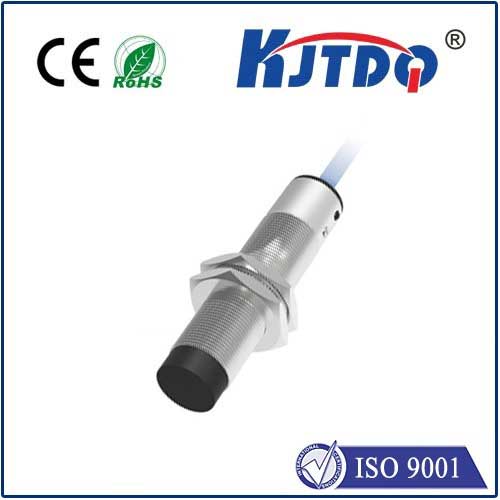
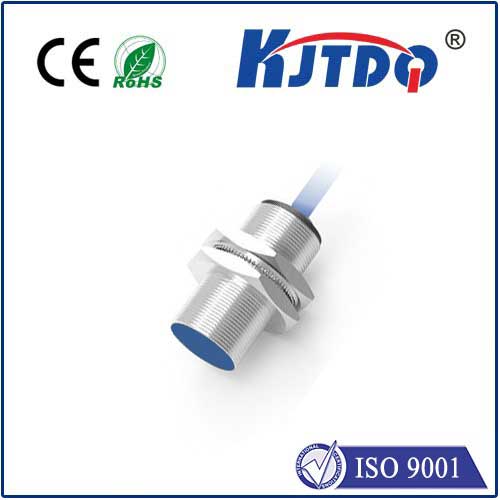
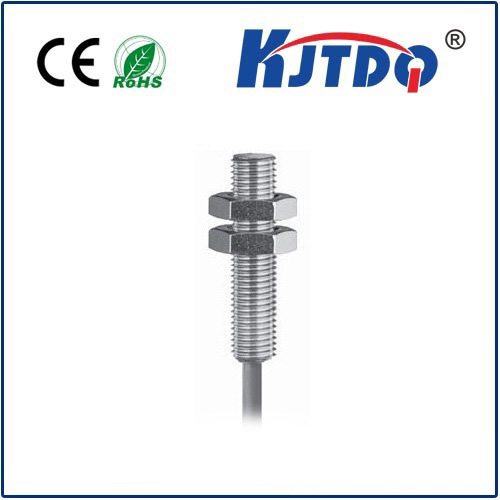
In demanding industrial environments where precision, reliability, and durability are non-negotiable, the BD3-P3-M14S-G High Pressure Proximity Sensor stands as a critical component for modern automation and control systems. Engineered to perform flawlessly under extreme conditions, this sensor represents a significant advancement in proximity detection technology, specifically designed for applications involving high-pressure fluids, hydraulic systems, and heavy machinery. Its robust construction ensures consistent operation, making it an indispensable tool for industries ranging from manufacturing and automotive to oil and gas.
The core functionality of the BD3-P3-M14S-G sensor lies in its ability to detect the presence or absence of a target object without physical contact, even in environments with pressures that would compromise lesser devices. Utilizing a high-frequency oscillation principle, the sensor generates an electromagnetic field. When a metallic object enters this field, it causes a change in oscillation amplitude, which is then converted into a clear electrical signal. This non-contact method eliminates mechanical wear and tear, dramatically extending the sensor's service life and reducing maintenance downtime. The "High Pressure" designation is not merely a label; it signifies a specialized sealing and housing technology that protects the internal electronics from ingress and pressure spikes, ensuring signal integrity and operational safety in systems where failure is not an option.
Key features of the BD3-P3-M14S-G contribute directly to its superior performance. The M14S threaded housing provides a standardized and secure mounting solution, resistant to vibration and environmental stressors. Its compact design allows for installation in space-constrained areas without sacrificing detection capability. The sensor typically offers a choice of output configurations (e.g., PNP or NPN) to seamlessly integrate with various programmable logic controllers (PLCs) and control units. Furthermore, it boasts a high switching frequency and excellent repeat accuracy, enabling it to keep pace with fast-moving production lines and provide reliable data for process control. Its construction materials are selected for corrosion resistance, allowing it to perform in harsh conditions involving coolants, lubricants, or outdoor exposure.
The practical applications for this sensor are vast and critical. In hydraulic power units, it monitors piston position and valve status, preventing overtravel and ensuring system efficiency. Within injection molding machines, it provides precise detection of mold closure under tremendous pressure, a vital step for product quality and machine safety. In automotive assembly lines, it facilitates the precise positioning of components during robotic welding or painting processes. The oil and gas industry relies on such robust sensors for monitoring equipment in drilling and refining operations, where high pressures and hazardous environments are commonplace. In each scenario, the BD3-P3-M14S-G enhances system reliability, improves safety protocols, and contributes to overall operational efficiency by providing accurate, real-time positional feedback.
Selecting and implementing the right sensor is crucial for optimal system performance. When integrating the BD3-P3-M14S-G, engineers must consider factors such as the required sensing distance, the material and size of the target object, the ambient temperature range, and the specific pressure rating of the application. Proper installation is paramount; ensuring correct alignment, secure mounting, and appropriate electrical connections will maximize performance and longevity. Regular functional checks, while minimal due to the device's durability, are recommended as part of a proactive maintenance schedule to confirm continued accuracy and reliability within the control loop.
Ultimately, the BD3-P3-M14S-G High Pressure Proximity Sensor is more than just a component; it is a cornerstone of resilient industrial automation. By delivering unwavering accuracy and resilience where it matters most, it empowers engineers to build smarter, safer, and more productive systems. Its design philosophy prioritizes longevity and dependability, translating into lower total cost of ownership through reduced failures and maintenance intervals. For any operation facing the challenges of high-pressure environments, incorporating this sensor is a strategic decision towards achieving greater control, enhanced safety, and sustained operational excellence.