check

check

check

check

check

check
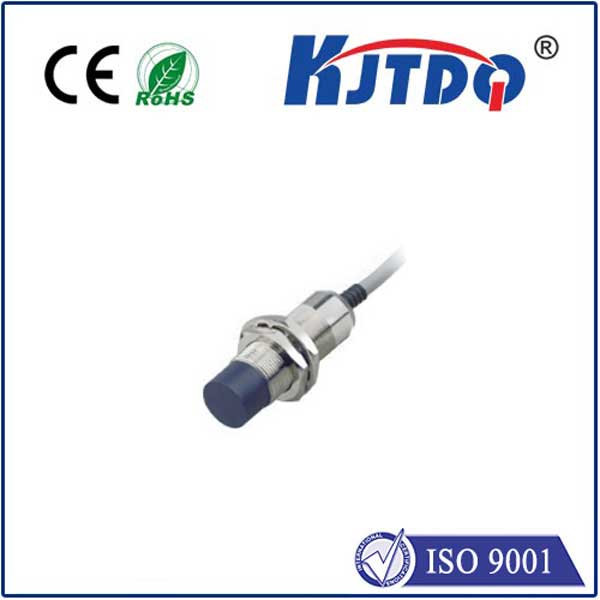
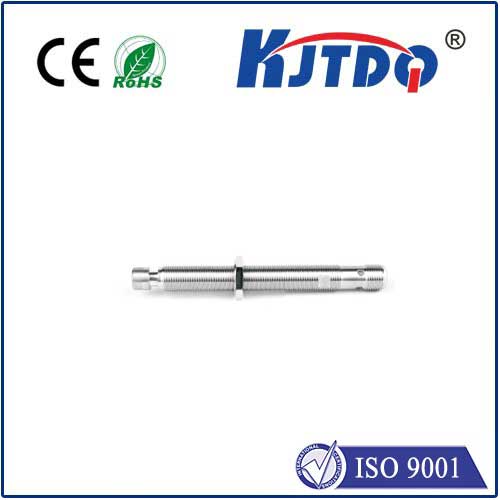
In the high-stakes world of industrial automation and process control, the reliability of every component is paramount. When it comes to monitoring in extreme pressure environments, a single point of failure is not an option. This is where the BHS A402N-POC15-S49, also known by its part number BHS004Z, establishes itself as a critical asset. This high-pressure proximity sensor is engineered to deliver unwavering performance where others falter, providing a robust and precise sensing solution for the most challenging applications.
The core strength of the BHS A402N-POC15-S49 lies in its specialized design to withstand exceptionally high-pressure conditions. Unlike standard inductive sensors, this model is constructed with reinforced materials and a housing that can endure the physical stresses present in hydraulic systems, heavy-duty press machinery, and high-pressure pipeline monitoring. Its POC15 designation indicates a specific, robust mechanical interface and form factor, ensuring a secure and leak-proof installation in pressurized ports or manifolds. This physical resilience is non-negotiable for preventing downtime and ensuring long-term operational safety.
Precision sensing under duress is another hallmark of this device. The sensor utilizes a reliable inductive principle to detect the presence or absence of a metallic target. However, its internal circuitry and sensing face are optimized to maintain a stable switching signal even when subjected to significant pressure fluctuations and vibrations common in industrial settings. This results in consistent, repeatable detection of piston positions, valve closures, or component presence, which is essential for automated sequencing and control logic. The S49 suffix often relates to specific electrical output characteristics, such as a PNP normally open (NO) or other configured output, making it directly compatible with standard programmable logic controllers (PLCs).
Operational longevity and reduced maintenance are key benefits for plant managers. The BHS004Z sensor is built for endurance. Its sealed construction protects internal electronics from ingress by oils, coolants, and particulate matter, which are prevalent in industrial environments. This high degree of protection, typically rated at IP67 or higher, means the sensor can perform reliably in wet, dirty, or washdown conditions without compromise. By choosing a sensor designed for high-pressure durability, facilities significantly reduce the frequency of sensor replacements and the associated labor costs, contributing to a lower total cost of ownership.
The application scope for the BHS A402N-POC15-S49 is extensive and vital. It is particularly indispensable in sectors like metal forming and stamping, where hydraulic presses operate at tremendous pressures. Here, the sensor accurately monitors ram position or die closure, a critical function for both process control and safety interlocking. In the realm of plastic injection molding, it ensures precise movement of injection units and clamp mechanisms under high pressure. Furthermore, it finds a crucial role in test stands for automotive and aerospace components, where pressure thresholds must be monitored with absolute reliability during performance validation.
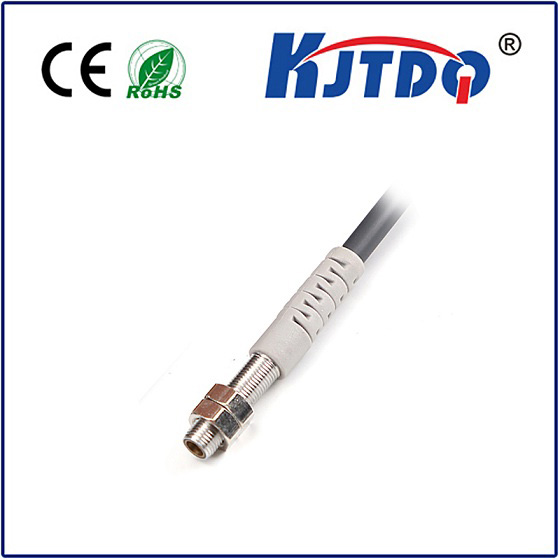
Integration into existing systems is straightforward. The sensor is designed with industry-standard M12 or similar quick-disconnect connectors, facilitating easy wiring and replacement. Its robust stainless steel or nickel-plated brass housing provides excellent resistance to corrosion and mechanical damage. When specifying this sensor, engineers must confirm key parameters such as the sensing distance, supply voltage (commonly 10-30V DC), output type, and pressure rating to ensure perfect compatibility with the specific application's requirements.
Ultimately, the BHS A402N-POC15-S49 (BHS004Z) is more than just a component; it is a dedicated high-pressure sensing solution. It addresses the core industrial needs of durability, accuracy, and reliability in environments that would quickly degrade lesser sensors. For engineers and maintenance teams tasked with optimizing complex machinery and ensuring continuous production flow, deploying this high-pressure proximity sensor translates into enhanced system integrity, improved safety protocols, and sustained operational efficiency. It represents a strategic investment in the resilience and productivity of modern industrial operations.