check

check

check

check

check

check
In the demanding world of industrial automation and heavy machinery, the margin for error is slim. Unplanned downtime due to component failure can lead to catastrophic production losses and significant safety risks. This is where precision monitoring devices, like the SKF234-11454-1 High Pressure Proximity Sensor, become indispensable. Engineered for resilience and accuracy, this sensor represents a critical line of defense in maintaining operational integrity under extreme conditions.
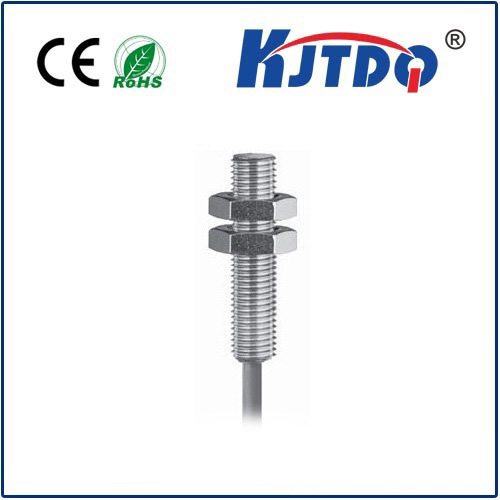
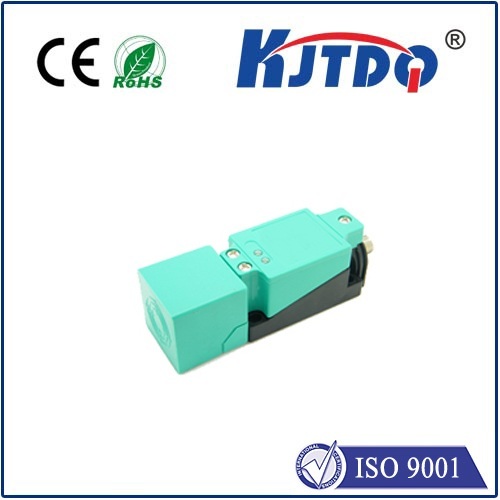
The SKF234-11454-1 is specifically designed to operate reliably in high-pressure environments, such as those found in hydraulic systems, die casting machines, and high-pressure pumps. Unlike standard inductive proximity sensors, this model is built with a robust housing and specialized sealing technologies that can withstand external pressures that would compromise lesser devices. Its core function is non-contact detection, providing precise feedback on the position or presence of a metallic target—be it a piston, valve, or shaft—without physical wear and tear. This capability is vital for predictive maintenance strategies, allowing engineers to monitor component movement and identify anomalies long before a failure occurs.
One of the defining features of the SKF234-11454-1 sensor is its exceptional durability. The housing is typically constructed from high-grade stainless steel, offering superior resistance to corrosion, mechanical impact, and the ingress of fluids or contaminants. The integrated cable or connector is equally rugged, ensuring a stable electrical connection even amidst constant vibration. This construction directly translates to extended service intervals and reduced replacement costs, offering a compelling return on investment. The sensor's design prioritizes not just survival but consistent performance, delivering stable switching signals that control systems can depend on for accurate cycle timing and safety interlocks.
Installation and integration of the SKF234-11454-1 are streamlined for efficiency. Its compact form factor allows it to be mounted in space-constrained locations near the point of measurement. Correct alignment and gap setting between the sensor face and the target are crucial for optimal performance, and the sensor's design often includes visual or physical indicators to aid in this setup. It is compatible with standard programmable logic controller (PLC) inputs, making it a versatile drop-in solution for upgrading existing monitoring systems or specifying for new equipment. Technicians appreciate the straightforward wiring and the clear documentation that accompanies genuine SKF components, minimizing commissioning time.
The application scope for this high-pressure proximity sensor is vast. In the oil and gas industry, it monitors valve positions on Christmas trees and pipeline systems. Within metal forming and stamping presses, it ensures tools are in the correct position before a high-tonnage cycle begins, preventing costly tool damage. On large marine engines, it tracks the movement of fuel injection components. In each scenario, the SKF234-11454-1 provides the reliable data needed to automate processes safely and efficiently, forming a silent yet crucial backbone of modern industrial operations.
Selecting the right sensor for a high-pressure application cannot be an afterthought. Key specifications to verify include the maximum pressure rating, which must exceed the operational peak pressure of the system, the sensing range, the output type (e.g., PNP or NPN), and the required supply voltage. The SKF234-11454-1 is engineered to meet stringent industry standards, providing users with confidence in its specifications. Partnering with authorized distributors ensures access to genuine products, expert technical support for application questions, and reliable warranty coverage.
Ultimately, the value of the SKF234-11454-1 High Pressure Proximity Sensor is measured in uptime. It is more than just a component; it is a proactive monitoring solution that empowers maintenance teams. By delivering unwavering reliability in the harshest environments, it helps transform maintenance from a reactive cost center into a strategic, data-driven function. For engineers and plant managers tasked with safeguarding productivity and safety, specifying a sensor of this caliber is a decisive step toward achieving unparalleled operational resilience and efficiency.