check

check

check

check

check

check
In the world of industrial automation, reliability and durability are not just desirable features; they are absolute necessities. When machinery operates under extreme conditions, such as high-pressure washdowns, exposure to corrosive chemicals, or in environments filled with conductive metal chips, standard sensors often fail prematurely. This leads to costly downtime, maintenance headaches, and compromised production quality. The M9H206 DC PNP High Pressure Proximity Sensor is engineered specifically to conquer these challenges, offering a robust and dependable sensing solution that stands up to the toughest industrial applications.
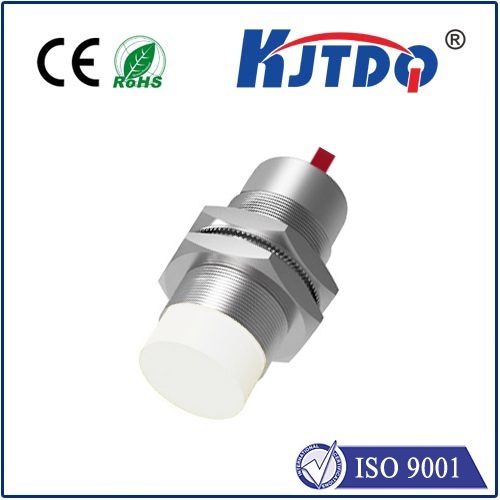
The core strength of the M9H206 lies in its exceptional construction. Unlike conventional inductive proximity sensors with plastic housings, this sensor features a rugged, all-stainless-steel body. This design provides superior resistance to physical impacts, abrasion, and, most importantly, high-pressure environments. It is designed to withstand the forceful jets of water and cleaning agents commonly used in food and beverage processing, pharmaceutical manufacturing, and heavy machinery cleaning cycles without any risk of ingress or damage. The hermetically sealed design ensures that internal electronics are completely protected from moisture, oils, and other contaminants that could lead to malfunction.
Functionally, the M9H206 operates as a DC PNP (sourcing) inductive proximity sensor. This means it detects the presence of metallic objects without any physical contact. The PNP output configuration is widely compatible with programmable logic controllers (PLCs) and other control systems commonly used in industrial settings. When a metal target enters its sensing range, the sensor switches its output to provide a positive voltage signal to the connected device, signaling the object's presence with high precision and repeatability. This non-contact operation eliminates mechanical wear and tear, a significant advantage over mechanical limit switches, leading to a dramatically longer operational lifespan.
The sensor's performance is optimized for demanding scenarios. It offers a consistent sensing distance and high switching frequency, ensuring accurate detection even for fast-moving parts on assembly lines or conveyor systems. Its immunity to electromagnetic interference (EMI) is crucial in plants with heavy motor drives and welding equipment, where electrical noise can cause false triggers in less robust sensors. The M9H206 maintains stable operation, providing reliable signals that control systems can trust.
Real-world applications for the M9H206 are vast and critical. In metalworking and machining centers, it reliably detects tool positions, workpiece presence, or door closures amidst clouds of conductive metal shavings and cutting fluids. In automated packaging lines within hygienic industries, it can endure frequent high-pressure, high-temperature sanitization processes while monitoring product positions. It is equally at home in pulp and paper mills, chemical plants, and outdoor mining equipment, where environmental resistance is paramount. Its durability makes it an ideal choice for position sensing on hydraulic cylinders, in valve positioning, or as an end-of-travel detector on heavy-duty actuators.
Selecting and installing the M9H206 is straightforward. It is available in standard threaded barrel sizes for easy mounting into existing fixtures. Engineers and maintenance technicians appreciate its simple two-wire or three-wire connection options, which facilitate quick integration and replacement. When specifying this sensor, it is important to consider the required sensing distance, the specific metal type of the target, the supply voltage of the control system, and the environmental IP (Ingress Protection) rating needed, which the M9H206 typically excels in with ratings like IP67, IP68, or IP69K for high-pressure and high-temperature washdowns.
Ultimately, the M9H206 DC PNP High Pressure Proximity Sensor represents more than just a component; it represents an investment in uninterrupted productivity. By choosing a sensor built from the ground up for resilience, facilities managers and automation engineers can significantly reduce failure rates, minimize unplanned maintenance windows, and enhance the overall reliability of their production systems. In an era where efficiency dictates competitiveness, deploying hardware that consistently performs under pressure is a strategic decision. The M9H206 delivers the assurance needed to keep processes running smoothly, safely, and profitably, day in and day out, regardless of the environmental challenges it faces.