check

check

check

check

check

check
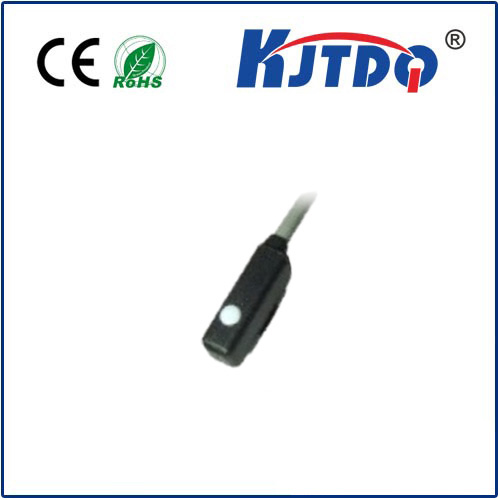
In the world of industrial automation and heavy machinery, the margin for error is razor-thin. Equipment failure or inaccurate detection can lead to catastrophic downtime, safety hazards, and significant financial loss. This is where the role of a robust and precise proximity sensor becomes paramount. The PSC0801-N High Pressure Proximity Sensor stands out as a critical component engineered specifically to deliver unwavering reliability in the most challenging conditions. Unlike standard sensors, it is built from the ground up to withstand extreme pressures, making it an indispensable tool for industries where operational integrity is non-negotiable.
The core challenge in high-pressure applications is environmental hostility. Standard inductive or capacitive sensors can falter under intense physical stress, leading to signal drift, material fatigue, or complete failure. The PSC0801-N addresses this directly. Its defining characteristic is its exceptional pressure rating, allowing it to perform flawlessly in hydraulic systems, deep-sea equipment, high-pressure processing lines, and heavy-duty press machinery. The housing is typically constructed from high-grade stainless steel or similarly durable alloys, providing superior resistance to corrosion and mechanical impact. This rugged exterior protects sensitive internal electronics, ensuring that the sensor's performance remains consistent whether it's submerged, exposed to high-pressure jets, or installed in a vibrating industrial press.
At its heart, the PSC0801-N utilizes advanced sensing technology. While often based on a robust inductive principle for detecting metallic targets, its design is optimized to negate the effects of surrounding pressure. The oscillator and trigger circuit are meticulously calibrated and shielded. This means that the sensor's switching point—the precise distance at which it detects an object—remains stable regardless of the ambient pressure fluctuations. This consistency is crucial for applications like monitoring piston position in hydraulic cylinders or controlling valve actuation sequences, where a millimeter's discrepancy can disrupt an entire automated process.
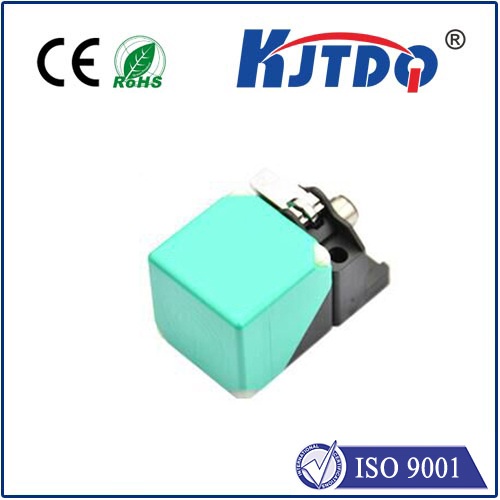
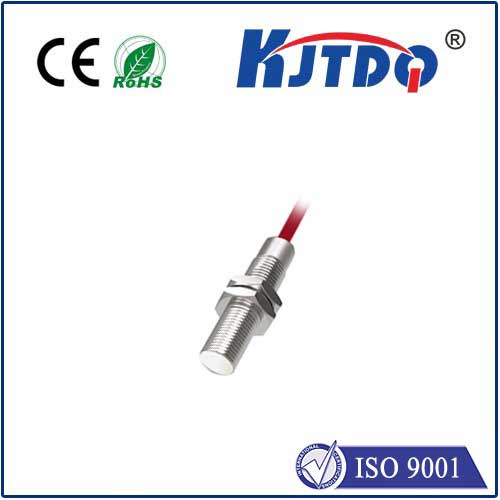
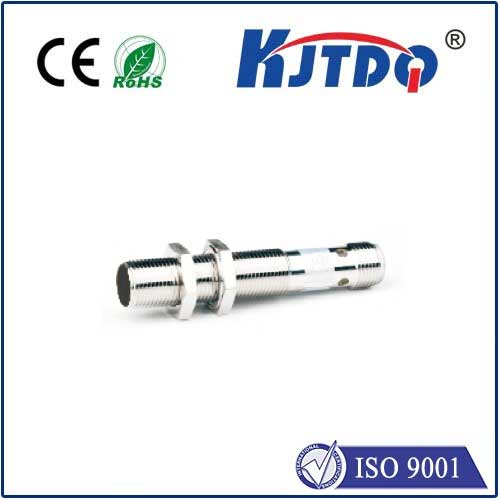
Installation and integration of the PSC0801-N are designed with the engineer in mind. It commonly features a compact, cylindrical form factor with various mounting options, such as threaded barrels, allowing for secure and sealed installation directly into high-pressure chambers or pipelines. Electrical connections are robust, often through high-quality M12 or M8 connectors with IP67, IP68, or IP69K ratings, guaranteeing protection against dust and high-pressure water ingress. This plug-and-play durability significantly reduces installation complexity and maintenance overhead. Output signals are typically clean, digital switching signals (PNP/NPN) or analog outputs, compatible with standard Programmable Logic Controllers (PLCs) and industrial control systems, enabling seamless data integration for real-time monitoring and control.
The practical applications of this sensor are vast and critical. In the oil and gas sector, it is deployed in blowout preventers and downhole tools to monitor component position under immense wellbore pressures. In manufacturing, it ensures precise tool positioning in high-pressure die-casting machines and injection molding equipment. The food and beverage industry uses it in high-pressure processing (HPP) systems for food sterilization, where sensors must maintain hygiene and withstand rapid pressure cycles. Furthermore, in test stands and research facilities simulating deep-sea environments or aerospace conditions, the PSC0801-N provides the reliable feedback needed for accurate data collection and system safety.
Choosing the PSC0801-N is not merely selecting a sensor; it is investing in system resilience and operational continuity. Its value proposition lies in its ability to eliminate a key point of failure. By providing accurate, repeatable detection where other sensors would degrade, it enhances overall equipment effectiveness (OEE), reduces unplanned maintenance stops, and safeguards both personnel and capital-intensive machinery. For system integrators and plant managers, this translates to lower total cost of ownership, improved safety protocols, and the confidence that critical detection tasks are handled by a component designed for the task's extreme demands. In essence, the PSC0801-N High Pressure Proximity Sensor is the definitive solution for bridging the gap between precise electronic detection and the unforgiving realities of high-pressure industrial environments.