check

check

check

check

check

check
In the complex and often unforgiving world of industrial automation, the reliability of every component is paramount. Among these critical components, proximity sensors play a vital role in detecting the presence or absence of objects without physical contact. However, standard sensors often falter under extreme conditions, particularly where high pressure is a constant factor. This is where specialized solutions like the FBH-12D02P2-D356 High Pressure Proximity Sensor step in, engineered to deliver unwavering performance where others cannot.
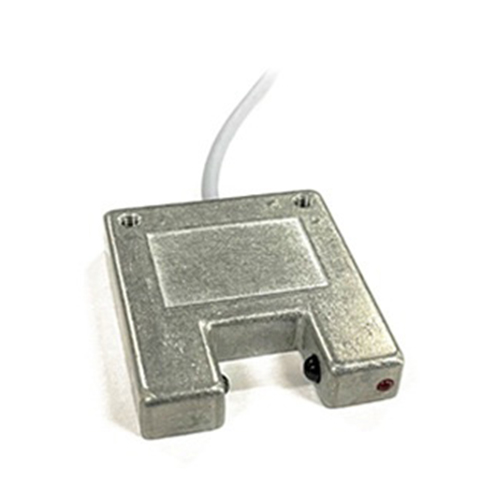
The FBH-12D02P2-D356 is not merely a sensor; it is a robust system designed to thrive in challenging applications. Its core strength lies in its ability to operate reliably in environments with significantly elevated ambient pressure. Traditional inductive or capacitive sensors can suffer from housing deformation, seal failure, or signal drift when subjected to high external pressure, leading to costly downtime and maintenance. The FBH-12D02P2-D356 model addresses these vulnerabilities head-on through a combination of advanced engineering and durable construction.
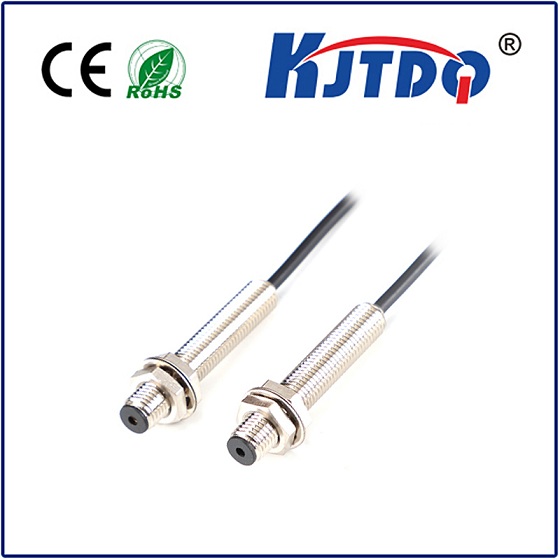
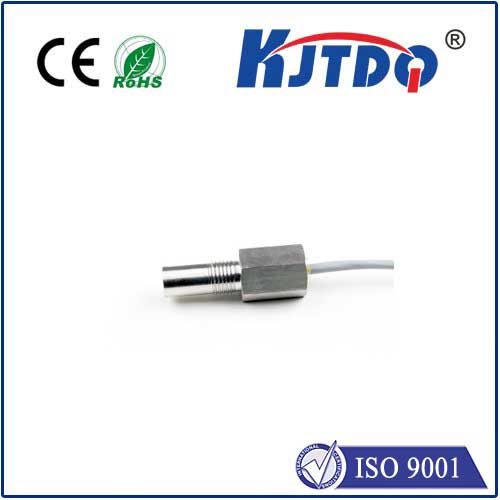
A key feature of this sensor is its ruggedized housing, typically crafted from high-grade stainless steel or similarly resilient materials. This construction provides exceptional resistance to mechanical stress and corrosion, ensuring the internal electronics remain protected from the external high-pressure environment. The sealing technology employed is of the highest standard, often utilizing multiple seals and specialized gaskets to prevent any ingress of media, whether liquid or gas, that could compromise sensor function. This makes it an ideal candidate for applications in hydraulic systems, deep-sea equipment, pressure vessels, and high-pressure cleaning machinery.
Beyond its physical resilience, the FBH-12D02P2-D356 offers precise and stable sensing performance. Utilizing a proven sensing technology—often a high-grade inductive principle—it provides accurate detection of metallic targets. The "D356" designation typically refers to specific electrical characteristics, such as a 3-wire DC configuration, PNP switching output (sourcing), and a standard M12 connector, ensuring easy integration into existing control systems. Its repeat accuracy remains consistent, even as external pressure fluctuates, guaranteeing process reliability.
The operational benefits for engineers and plant managers are substantial. By implementing the FBH-12D02P2-D356, facilities can dramatically reduce sensor-related failures in high-pressure zones. This translates directly into increased machine availability, lower total cost of ownership by minimizing replacement parts and labor, and enhanced safety by providing dependable feedback in critical control loops. Its durability also means fewer production interruptions for maintenance, supporting continuous operation goals.
Typical application scenarios vividly demonstrate its value. In offshore oil and gas operations, it can reliably monitor valve positions on subsea equipment exposed to immense water pressure. Within industrial hydraulics, it detects piston position in high-pressure cylinders with precision. In food and beverage processing, its sealed design allows it to withstand the high-pressure spray-downs required for hygiene without failure. In each case, the sensor acts as a dependable sentinel, enabling automation and control systems to function with confidence.
Selecting the right high-pressure sensor requires careful consideration. Factors such as the specific pressure rating, media compatibility, temperature range, required sensing distance, and output type must align with the application. The FBH-12D02P2-D356 represents a specific configuration tailored for a common set of these demanding requirements. Consulting with technical specialists or referring to the detailed datasheet is always recommended to ensure perfect compatibility and optimal performance.
In conclusion, the FBH-12D02P2-D356 High Pressure Proximity Sensor stands as a specialized tool for a specialized challenge. It embodies the principle that in industrial automation, robustness and reliability are non-negotiable, especially in extreme operating conditions. By choosing a sensor engineered to withstand high-pressure environments, businesses safeguard their processes, protect their investments, and build a foundation for efficient, uninterrupted production. It is a clear example of how targeted engineering solutions solve real-world industrial problems, moving beyond the limitations of standard components to deliver guaranteed performance.