check

check

check

check

check

check
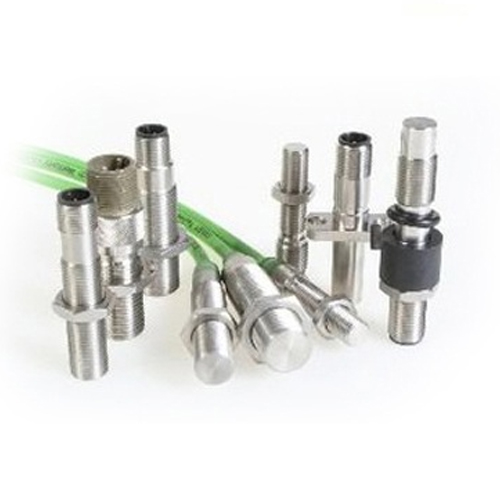
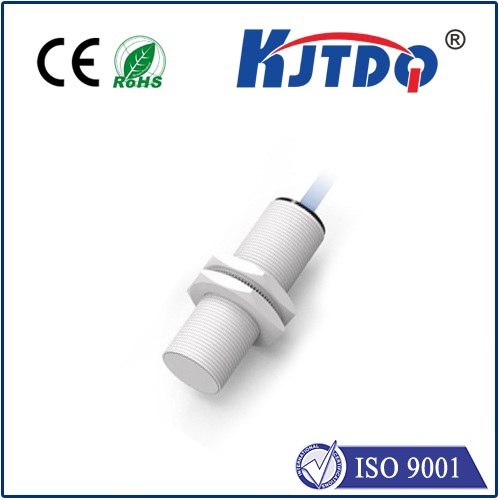
In the demanding world of industrial automation, where machinery operates under extreme pressures and in unforgiving conditions, sensor failure is not an option. It leads to costly downtime, compromised safety, and production inefficiencies. This is where the BD1.5-P2-M12S High Pressure Proximity Sensor steps in, engineered specifically to deliver unwavering reliability where others falter. Designed for applications involving high-pressure washdowns, hydraulic systems, and environments with significant pressure fluctuations, this sensor represents a leap forward in durability and precision.
The core challenge in high-pressure environments is protecting the sensor's internal components from ingress and mechanical stress caused by rapid pressure changes. The BD1.5-P2-M12S addresses this with a robust, hermetically sealed stainless-steel housing rated for exceptional pressure resistance. This construction ensures that neither high-pressure jets during cleaning cycles nor the constant stress within pressurized hydraulic lines can compromise its functionality. The sensor maintains its integrity, preventing false triggers and signal loss that plague standard inductive sensors in such settings.
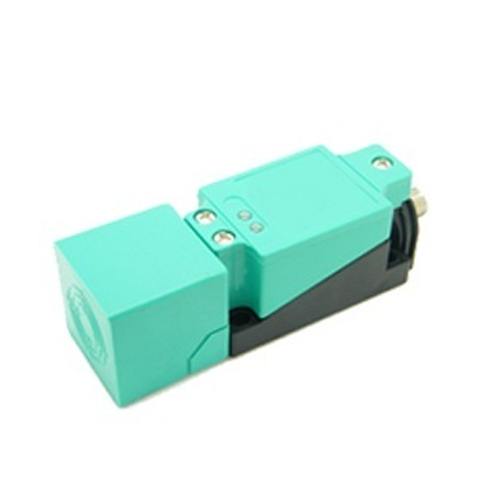
Beyond its rugged exterior lies advanced sensing technology. Utilizing a high-performance inductive principle, the BD1.5-P2-M12S offers precise non-contact detection of metallic targets. Its key specification, the BD1.5 designation, indicates a precise 1.5mm sensing distance, allowing for tight integration into complex machinery with limited space. This accuracy is critical for monitoring piston positions in hydraulic cylinders, detecting the presence of metal components in high-pressure molding machines, or ensuring tool positioning in CNC equipment subject to coolant spray.
The P2 in its model name highlights its enhanced pressure rating, a feature meticulously tested to withstand specific high-pressure thresholds common in industries like food and beverage processing, chemical manufacturing, and heavy machinery. Meanwhile, the M12S connector provides a industry-standard, quick-disconnect interface. This threaded connector is not only vibration-resistant but also offers superior sealing compared to simpler plug types, contributing to the overall ingress protection rating and simplifying installation and maintenance procedures.
Operational stability is paramount. Engineers will appreciate the sensor's wide operating temperature range and its immunity to electrical noise commonly found in industrial plants with large motors and drives. Consistent performance is guaranteed, whether installed on a moving part of a machine or in a stationary mount near high-pressure valves. This reliability translates directly to fewer production stoppages, lower maintenance costs, and a significant reduction in unscheduled downtime.
Integration into existing systems is straightforward. The BD1.5-P2-M12S is available in standard PNP or NPN output configurations, making it compatible with a vast array of Programmable Logic Controllers (PLCs) and control systems. Its compact form factor allows it to fit into space-constrained designs without sacrificing sensing performance or durability. For system designers, this sensor eliminates the need for custom protective enclosures or complex mounting solutions, streamlining the design process and reducing overall project costs.
Real-world applications demonstrate its value. In automotive manufacturing, these sensors reliably detect components on robotic arms that undergo high-pressure cleaning. In packaging lines, they ensure precise counting and positioning of metal containers or lids within equipment that uses pressurized air or fluids. Within hydraulic power units, they provide critical feedback on cylinder rod position, enabling precise control loops that operate flawlessly despite system pressure spikes.
Selecting the right sensor for high-pressure applications is a critical decision. The BD1.5-P2-M12S High Pressure Proximity Sensor provides a definitive answer, merging mechanical resilience with electronic precision. It is more than just a component; it is a commitment to continuous operation and system integrity. By choosing this sensor, engineers and plant managers invest in a foundation of reliability that protects their processes, their productivity, and their bottom line from the disruptive forces of high-pressure industrial environments.