check

check

check

check

check

check
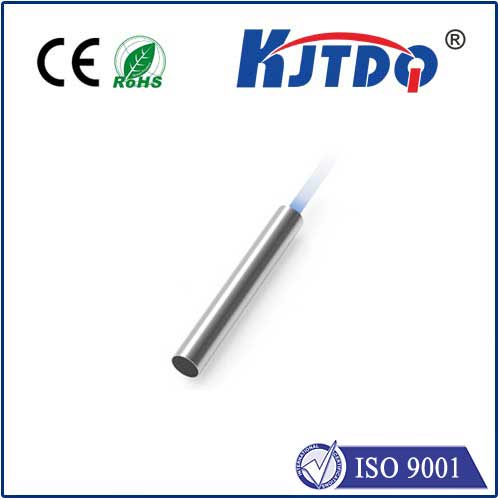
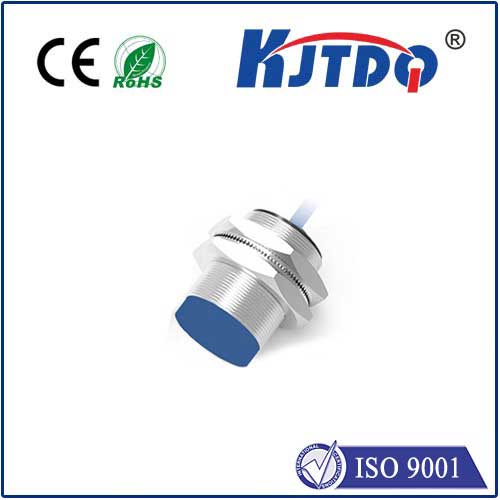
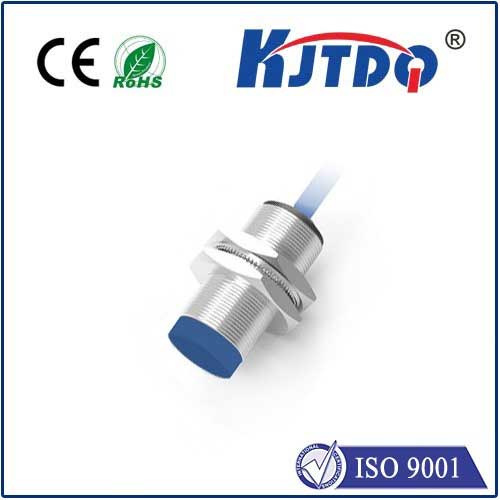
In the world of industrial automation, reliability is not just a feature; it's the foundation. Harsh environments characterized by extreme pressures, temperature fluctuations, and potential physical impacts demand sensing components that are engineered for endurance and precision. The BES 516-300-S321-NEX-S4-D, also known by its order code BHS004M, stands as a prime example of such engineering excellence. This high-pressure inductive proximity sensor is specifically designed to deliver unwavering performance where standard sensors would fail.
The core challenge in high-pressure applications, such as those found in hydraulic systems, die-casting machines, or heavy-duty press lines, is the immense force exerted on equipment housings. A standard sensor's housing might deform or compromise its seal under such conditions, leading to ingress of fluids, loss of calibration, or complete failure. The BES 516-300-S321-NEX-S4-D addresses this head-on with a robust, pressure-resistant stainless steel housing. This construction ensures the internal electronics and the critical sensing face are fully protected, maintaining integrity and signal stability even when subjected to the intense forces of nearby hydraulic pistons or pressurized chambers.
Beyond its physical resilience, the sensor's technical specifications are tailored for challenging setups. The "S321" designation indicates a flush-mountable, cylindrical stainless steel barrel with an M30x1.5 thread. This design allows it to be installed directly into a machined bore without needing a separate mounting bracket, saving space and providing a clean, secure fit. The "NEX" suffix signifies that the device is equipped with a PNP normally open (NO) switching output and a 4-wire configuration, incorporating both a normally open and a normally closed contact. This versatile wiring option provides maximum flexibility for control logic, allowing engineers to design safety circuits or alternative signaling paths with ease.
A key feature for maintenance and troubleshooting is the integrated LED status indicator. In environments where sensor alignment or confirmation of operation is critical, this visual feedback is invaluable. It allows technicians to quickly verify the sensor's switching state without needing to connect to a PLC, reducing downtime during setup or diagnostics. The sensing range is precisely calibrated for 300mm, offering a generous detection distance for larger machine elements or targets, while the high switching frequency ensures it can keep pace with fast-moving processes without missing a beat.
The application scope for the BES 516-300-S321-NEX-S4-D is vast. It is the ideal choice for position monitoring of cylinders and valves in high-pressure hydraulic units. In plastic injection molding or metal die-casting, it reliably detects mold closure or the position of the injection unit under extreme pressures and temperatures. Within the automotive industry, it performs flawlessly in heavy press lines and welding robots. Furthermore, in offshore and marine applications, where equipment must withstand not only pressure but also corrosive elements, its stainless steel body and high protection rating make it a dependable component.
Selecting the right sensor for high-pressure zones involves more than just checking a data sheet. It requires consideration of the continuous and peak pressure levels the sensor body will face, the ambient temperature range, the material of the target (typically ferrous metals for inductive sensors), and the required electrical interface for the control system. The BES 516-300-S321-NEX-S4-D, with its clearly defined rugged characteristics and flexible electrical outputs, simplifies this selection process, offering a proven, off-the-shelf solution for a wide array of demanding scenarios.
Ultimately, the value of a component is measured by its contribution to overall equipment effectiveness (OEE). Sensor failures in critical positions lead to unplanned stoppages, costly repairs, and production losses. By implementing a robust sensor like the BES 516-300-S321-NEX-S4-D, engineers and plant managers invest in predictability. They gain a sensing point that operates consistently, reduces maintenance interventions, and enhances the reliability of the entire automated system. It transforms a potential point of failure into a pillar of stability, ensuring that machines not only run but run optimally under the most challenging conditions industrial environments can present.