check

check

check

check

check

check
In the complex and often unforgiving world of industrial automation, the reliability of every single component is paramount. System failures can lead to catastrophic downtime, safety hazards, and significant financial loss. At the heart of many critical control and monitoring systems lies a seemingly simple yet vital device: the proximity sensor. However, not all sensors are created equal, especially when operating under extreme conditions. This is where specialized solutions like the M9H202 High Pressure Proximity Sensor come into play, redefining durability and precision in high-stakes environments.
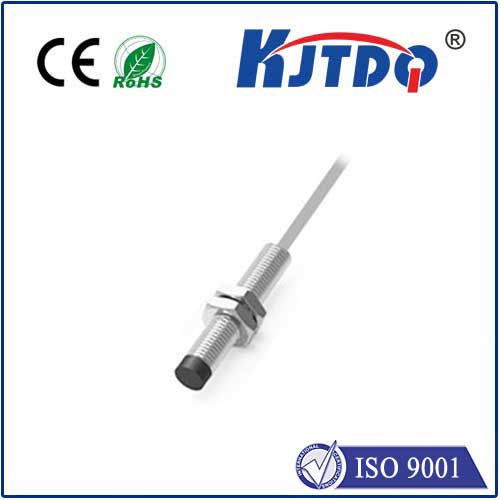
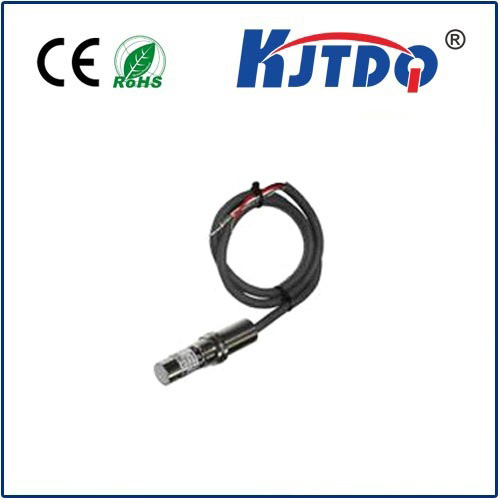
Traditional inductive proximity sensors can falter when subjected to intense pressure, whether from hydraulic systems, deep-sea applications, or high-pressure processing lines. The immense force can compromise housing integrity, affect sensing performance, and ultimately lead to premature failure. The M9H202 is engineered from the ground up to conquer this specific challenge. Its core design philosophy revolves around creating a hermetically sealed, robust unit capable of withstanding pressures that would render standard sensors inoperative. The housing is typically constructed from high-grade stainless steel, such as V4A (AISI 316L), offering exceptional resistance to corrosion from aggressive media and mechanical stress from the surrounding pressure.
The operational principle remains based on the inductive sensing of metallic targets, but the internal components are optimized for stability. The oscillator, amplifier, and output circuit are meticulously shielded and potted to prevent any internal movement or electrical variance caused by external pressure fluctuations. This ensures a consistent switching point and reliable signal output, whether the sensor is installed in a deep-water drilling apparatus or monitoring piston position in a 500-bar hydraulic press. The "High Pressure" rating isn't just a marketing term; it's a certified performance guarantee, often tested to withstand pressures exceeding several hundred bar, making it a trusted component in oil & gas, marine technology, and heavy press manufacturing.
Beyond its pressure resilience, the M9H202 excels in installation versatility and environmental toughness. Many models feature a compact, cylindrical design with various mounting options (e.g., flush or non-flush), allowing for easy integration into tight spaces within machinery. The sensing face is designed to be resistant to fouling from oils, coolants, or particulate matter, ensuring long-term operational stability. Furthermore, these sensors commonly boast high ingress protection ratings like IP67, IP68, or IP69K, safeguarding them against dust and high-pressure, high-temperature water jets during washdowns in food and pharmaceutical processing.
The benefits of deploying the M9H202 translate directly to operational excellence. First and foremost is enhanced system reliability. By eliminating a key point of failure, maintenance intervals are extended, and unplanned stoppages are drastically reduced. This reliability underpins improved safety, as critical position feedback in hazardous pressure systems remains assured. Secondly, it offers long-term cost efficiency. While the initial investment may be higher than a standard sensor, the total cost of ownership is lower due to reduced replacement frequency, minimized downtime, and avoidance of collateral damage from sensor failure. Finally, it enables innovation in machine design, allowing engineers to develop equipment for more extreme processes with confidence.
Selecting the right high-pressure sensor requires careful consideration. Key specifications to review include the maximum pressure rating (both static and dynamic), the sensing distance, the type of output (e.g., PNP/NPN, analog, or IO-Link for smart diagnostics), the operating temperature range, and the required electrical connection. The M9H202 series typically offers a range of these specifications to match diverse application needs, from monitoring valve positions in offshore platforms to detecting metal targets inside high-pressure autoclaves.
In conclusion, the M9H202 High Pressure Proximity Sensor is not merely a component; it is a strategic asset for industries operating at the edge of performance limits. It represents a fusion of rugged engineering and precise sensing technology, built to deliver unwavering accuracy where it matters most. For system integrators and plant managers seeking to fortify their automation against the challenges of extreme pressure, adopting the M9H202 is a definitive step towards achieving unparalleled robustness, safety, and productivity in the most demanding industrial landscapes.