check

check

check

check

check

check
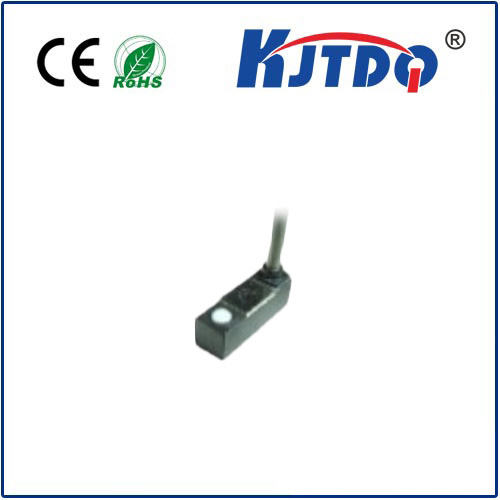
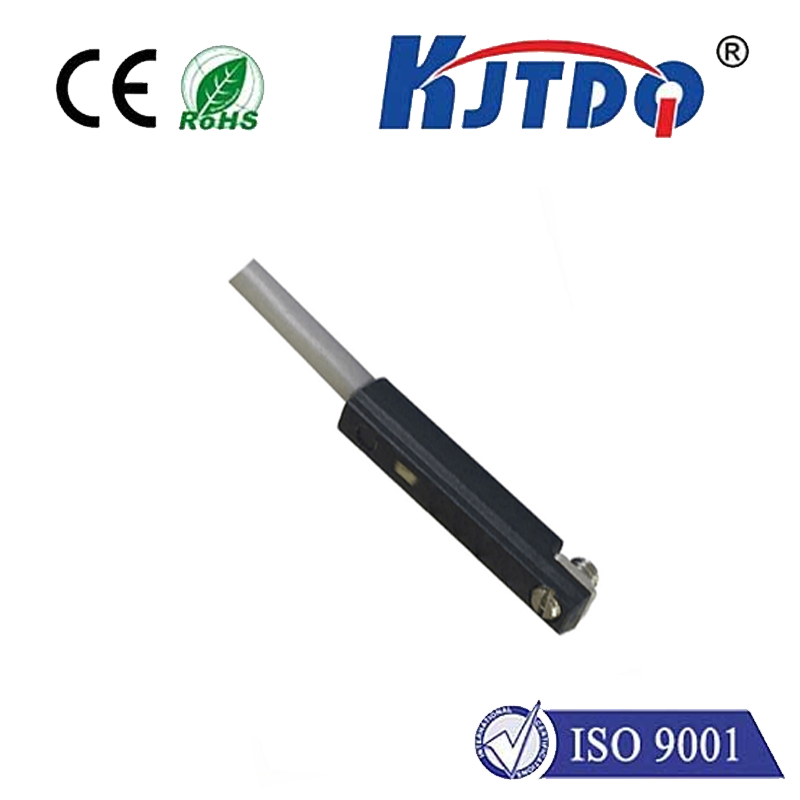
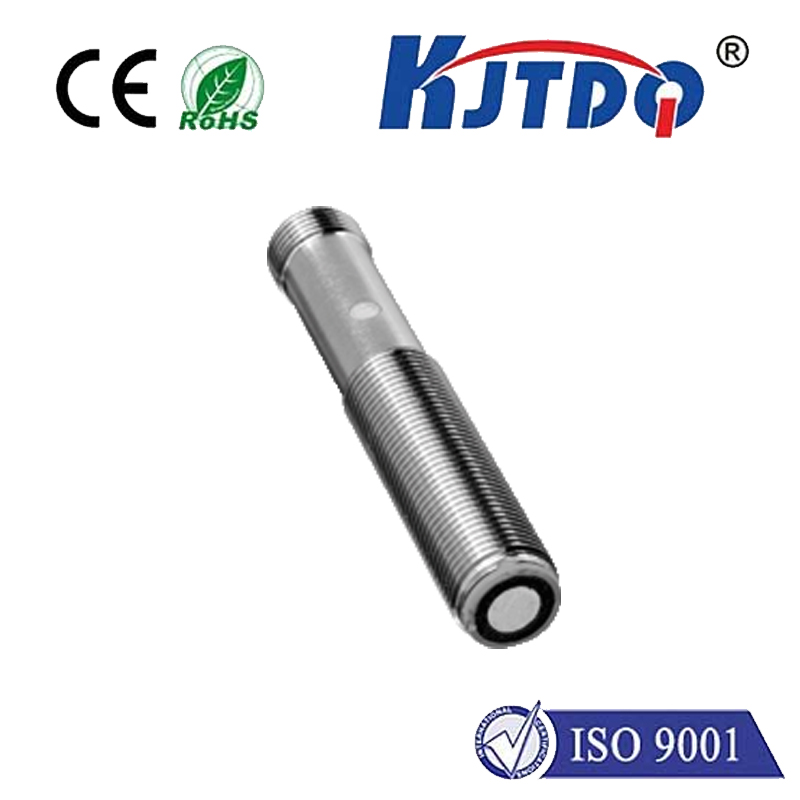
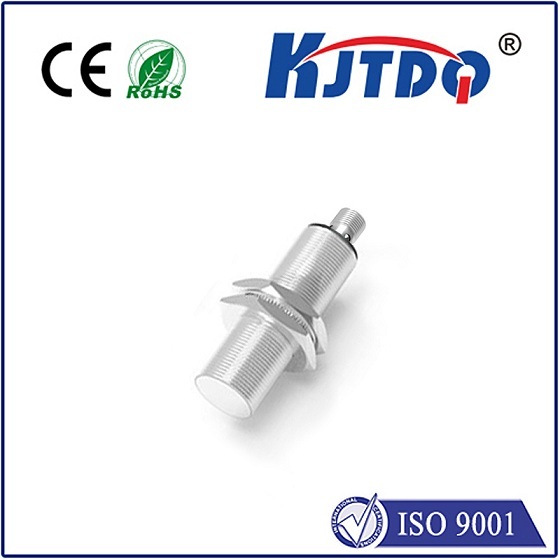
In the world of industrial automation and control, precision, reliability, and durability are non-negotiable. The KGG13L2KUC High Pressure Proximity Sensor stands out as a critical component engineered to meet these exacting standards. Designed to operate flawlessly in harsh environments where high pressure, temperature extremes, and contaminants are commonplace, this sensor provides the robust performance that modern manufacturing and processing industries demand.
The core function of the KGG13L2KUC is to detect the presence or absence of metallic objects without any physical contact. This non-contact sensing capability is vital in high-pressure systems, such as hydraulic presses, injection molding machines, and heavy-duty pneumatic circuits, where mechanical wear or failure from contact could lead to costly downtime and safety hazards. The sensor's housing is constructed from high-grade stainless steel, offering exceptional resistance to corrosion, mechanical stress, and pressure surges. Its sealed design ensures protection against ingress of water, oils, and dust, complying with stringent IP ratings that guarantee operation in challenging conditions.
One of the defining features of the KGG13L2KUC is its ability to maintain stable sensing performance under extreme pressure. Traditional sensors might experience signal drift or failure when subjected to the intense forces found in systems like die-casting or offshore equipment. This model, however, incorporates advanced sensing technology and a ruggedized design that isolates the sensitive electronic components from the external pressure environment. This results in consistent, repeatable detection, which is essential for maintaining process control, quality assurance, and overall system integrity. The sensor typically offers a short-circuit and reverse polarity protection, enhancing its longevity and reducing the risk of damage from electrical faults during installation or operation.
Installation and integration are streamlined due to its compact form factor and standardized mounting options. Whether it's threaded into a high-pressure port or mounted on a bracket near moving machinery, the KGG13L2KUC is designed for easy setup. Its output signal, often a stable PNP or NPN switching signal, interfaces seamlessly with Programmable Logic Controllers (PLCs), relays, and other control systems. This plug-and-play compatibility minimizes engineering time and allows for quick retrofitting into existing production lines or incorporation into new equipment designs.
The applications for this high-pressure proximity sensor are vast and varied. In the automotive sector, it monitors hydraulic clamping units in assembly robots. In the oil and gas industry, it provides critical position feedback on valves and actuators within high-pressure pipelines. Food and beverage manufacturers utilize it in sanitary high-pressure cleaning systems, while the metalworking industry relies on it for tool positioning in CNC machining centers under heavy coolant pressure. In each case, the sensor contributes to enhanced operational efficiency, predictive maintenance capabilities, and improved safety protocols.
Selecting the right sensor for high-pressure environments involves careful consideration of specifications. Key parameters for the KGG13L2KUC include its rated operating pressure range, sensing distance, temperature tolerance, and electrical characteristics. Engineers and maintenance professionals must match these specs to their specific application needs to ensure optimal performance. Regular maintenance, though minimal due to the sensor's robust build, involves checking for physical damage, ensuring clean sensing faces, and verifying electrical connections, which collectively prolong service life.
Ultimately, the KGG13L2KUC High Pressure Proximity Sensor represents more than just a component; it is a strategic investment in operational resilience. By delivering unwavering accuracy in the most demanding scenarios, it helps prevent unplanned stoppages, reduces maintenance costs, and safeguards both machinery and personnel. For industries pushing the boundaries of pressure and performance, this sensor provides the dependable sensing foundation necessary to achieve peak productivity and long-term operational success.