check

check

check

check

check

check
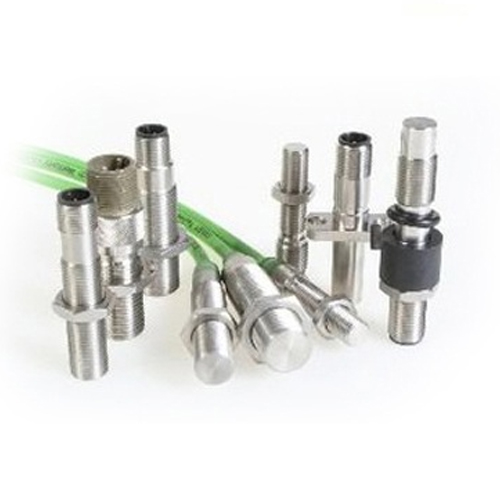
In the complex and often unforgiving world of industrial automation, the reliability of every component is paramount. Among these critical components, proximity sensors stand as silent sentinels, ensuring seamless operation and preventing costly downtime. When applications involve extreme pressures, harsh chemicals, or demanding mechanical stresses, a standard sensor simply won't suffice. This is where specialized solutions like the PHS1K PM 22/01 High Pressure Proximity Sensor come into play, engineered to deliver unwavering performance where others fail.
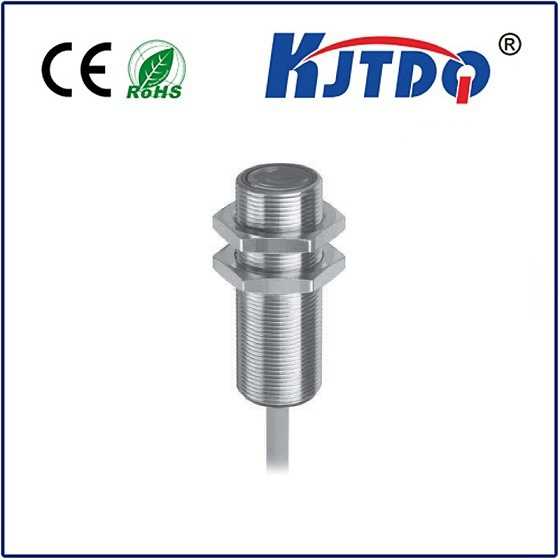
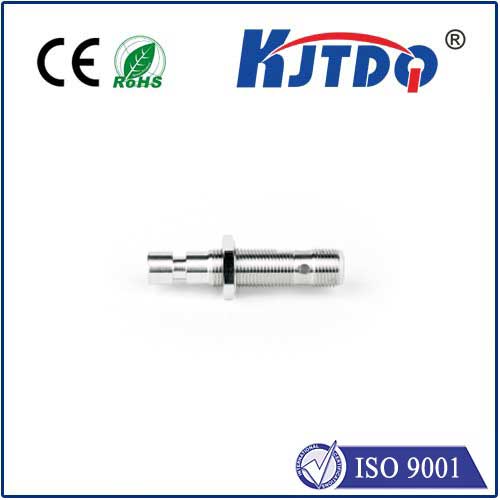
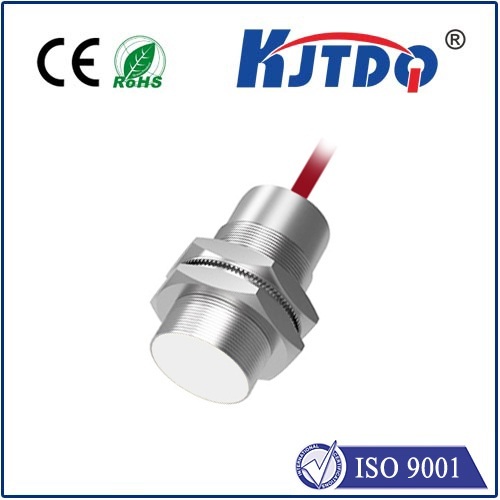
The PHS1K PM 22/01 is not merely an incremental improvement; it represents a dedicated design philosophy for high-pressure environments. Its robust construction typically features a housing and sensing face made from high-grade, corrosion-resistant stainless steel, capable of withstanding pressures that would compromise conventional sensors. The "PM 22/01" designation often refers to a specific mechanical configuration, such as an M22x1.5 threaded barrel, making it a direct, robust replacement or upgrade in many industrial setups. This sensor is specifically calibrated to maintain precise detection accuracy and stable switching characteristics even when subjected to significant external pressure fluctuations, a common challenge in hydraulic systems, die-casting machines, and heavy press applications.
One of the core challenges in high-pressure zones is sensor failure due to physical deformation or seal compromise. The PHS1K series addresses this through advanced engineering. The sensing technology, often based on a ruggedized inductive or capacitive principle, is encapsulated to protect against media ingress. This hermetic sealing ensures that internal electronics remain isolated from external high-pressure fluids or contaminants. Consequently, the sensor demonstrates exceptional longevity and reliability in environments like offshore platforms, chemical processing plants, and high-pressure washing systems, where exposure to water, oil, or aggressive agents is constant.
Installation and integration are streamlined for efficiency. The standardized M22 housing allows for easy mounting into existing fixtures, minimizing retrofit time and cost. Many models in this category offer versatile output options, such as PNP or NPN transistor outputs, providing compatibility with a wide range of PLCs (Programmable Logic Controllers) and control systems. The inclusion of a status LED is a practical feature, offering immediate visual confirmation of the sensor's operational state, which is invaluable for quick troubleshooting during maintenance cycles.
Beyond mere proximity detection, the application of the PHS1K PM 22/01 sensor contributes significantly to predictive maintenance strategies. Its consistent performance under duress allows for the reliable monitoring of piston positions, valve actuation, or the presence of metal tools in high-pressure chambers. By providing accurate, real-time data, it helps prevent machine collisions, sequence errors, and unscheduled stoppages. This proactive approach to machine health translates directly into enhanced operational safety, reduced maintenance costs, and optimized production throughput.
For engineers and procurement specialists, selecting the PHS1K PM 22/01 is a decision rooted in risk mitigation and long-term value. While the initial investment may be higher than a standard sensor, the total cost of ownership is dramatically lower. The avoidance of a single production halt caused by sensor failure can justify the investment many times over. Its durability means fewer replacements, lower inventory needs for spares, and less labor spent on repairs.
In conclusion, the PHS1K PM 22/01 High Pressure Proximity Sensor stands as a specialized tool for a specialized task. It embodies the principle that in critical industrial applications, component selection must be guided by the specific environmental challenges. By offering robust construction, pressure-resistant design, and reliable switching, it provides a dependable foundation for automation systems operating at the edge of performance envelopes. For industries where pressure is not just a parameter but a defining condition, this sensor is an essential component for ensuring continuity, safety, and efficiency.