check

check

check

check

check

check
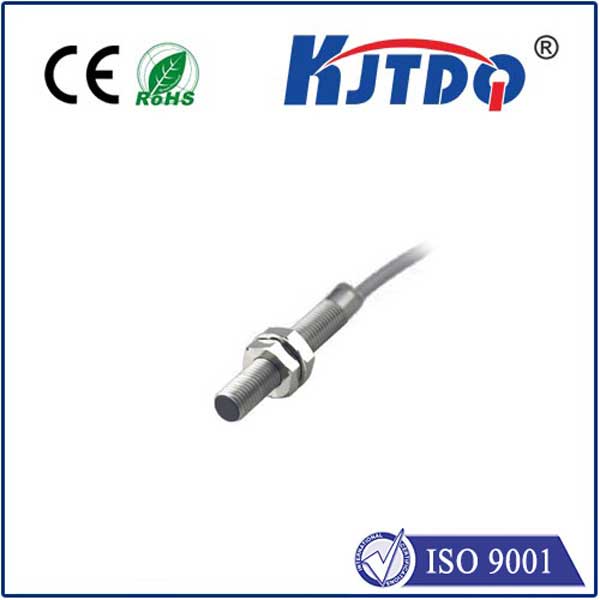
In the heart of modern industrial automation, where machinery operates under extreme pressures and in unforgiving conditions, the reliability of every component is non-negotiable. Sensor failure can lead to costly downtime, safety hazards, and compromised product quality. This is where specialized components like the KNYT1.8-M12-NAH-60 High Pressure Proximity Sensor prove their indispensable value. Engineered to perform where standard sensors falter, this device represents a critical advancement in sensing technology for high-pressure applications.
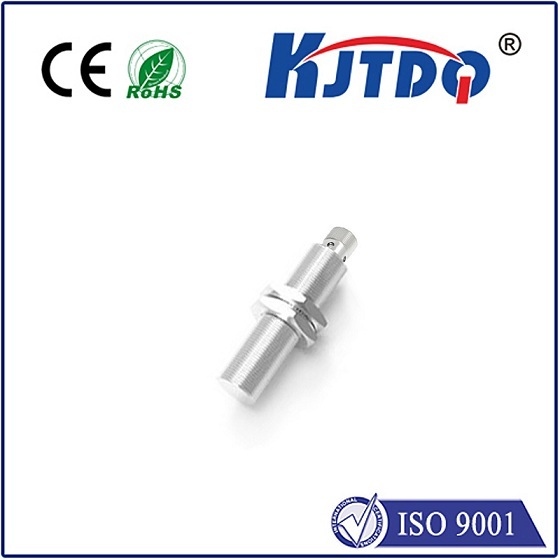
The defining characteristic of the KNYT1.8-M12-NAH-60 is its exceptional resilience against high-pressure environments. Unlike conventional inductive proximity sensors that might deform or malfunction under intense compressive forces, this sensor is constructed with a reinforced housing and a specially designed sensing face. This robust build allows it to maintain precise detection capabilities and stable electrical outputs even when subjected to significant external pressure, such as those found in hydraulic systems, die-casting machines, high-pressure cleaning equipment, and plastic injection molding processes. The "High Pressure" designation is not merely a label but a core performance guarantee.
Delving into its specifications, the model name reveals its key features. The "KNYT" series typically indicates a cylindrical, inductive proximity sensor. The "1.8" often refers to the sensing distance in millimeters, offering precise short-range detection. The "M12" denotes the industry-standard threaded housing diameter, ensuring easy integration into existing M12 mounting points and compatibility with a vast array of connectors and cabling systems. This plug-and-play compatibility significantly reduces installation time and complexity. The "NAH" suffix is crucial, commonly specifying a non-flush (or unshielded) mounting style. This design allows for a slightly longer sensing range compared to flush-mounted models but requires careful installation to avoid interference from surrounding metallic materials. Finally, the "60" likely indicates a particular output configuration or housing length variant, tailored for specific spatial constraints.
The operational principle remains based on robust inductive sensing. The sensor generates an electromagnetic field from its face. When a metallic target enters this field, eddy currents are induced, causing a change in the sensor's internal oscillation. This change is detected and converted into a clean, switched output signal. The engineering triumph of the KNYT1.8-M12-NAH-60 lies in ensuring this process remains impeccably stable despite high ambient pressure, which can affect mechanical alignment and material properties. Its design mitigates these effects, providing consistent and reliable detection cycles.
The applications for this sensor are vast and critical. In hydraulic press monitoring, it reliably detects piston position or end-of-stroke even when submerged in hydraulic fluid under extreme pressure. Within plastic injection molding machines, it can be used for mold clamping verification or ejector plate positioning, where it withstands both pressure and temperature. It also finds use in heavy-duty machining centers for tool presence verification and in automated high-pressure washing systems for component positioning. In all these scenarios, its durability translates directly into increased machine uptime, enhanced safety protocols, and reduced maintenance costs.
Selecting the KNYT1.8-M12-NAH-60 involves a few key considerations. Engineers must verify the required sensing distance (1.8mm) is suitable for their target and mounting setup. Understanding the implications of non-flush (NAH) mounting is essential to prevent false triggers from adjacent metal. The electrical output (e.g., NPN or PNP, normally open or closed) must match the control system's input card requirements. Furthermore, confirming the exact pressure rating from the manufacturer's datasheet is paramount to ensure the sensor is specified correctly for the application's maximum operating pressure.
Ultimately, the KNYT1.8-M12-NAH-60 is more than just a sensor; it is a dedicated solution for a challenging niche. It addresses the specific pain point of reliable object detection in high-pressure industrial environments. By offering a blend of standardized form factor (M12), precise short-range sensing, and specialized high-pressure resistance, it provides system designers and maintenance engineers with a trustworthy component. This reliability forms the foundation for building more resilient, efficient, and safe automated systems, ensuring that operations continue smoothly even under pressure. For applications where failure is not an option, specifying a purpose-built sensor like this is a strategic decision for long-term operational success.