check

check

check

check

check

check
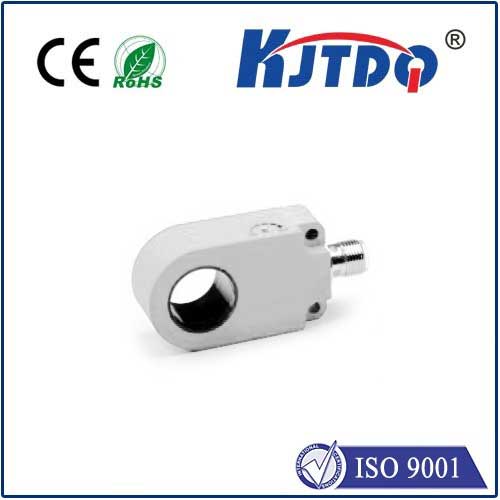
In the relentless world of industrial automation, where machinery operates under extreme pressures and within tight tolerances, the failure of a single component can cascade into costly downtime and safety hazards. Monitoring critical parameters in such environments demands sensors that are not just accurate, but exceptionally robust and reliable. This is where the MFT202 High Pressure Proximity Sensor establishes itself as an indispensable tool for engineers and system integrators. Designed to thrive where others falter, this sensor represents a significant leap in non-contact measurement technology for high-pressure zones.
The core challenge in high-pressure applications, such as hydraulic systems, die-casting machines, injection molding, and heavy-duty press operations, is the hostile environment. Intense pressure, potential fluid ingress, vibration, and electromagnetic interference are constant threats. Traditional sensing methods often involve physical contact or less resilient designs, leading to premature wear, drift in calibration, or catastrophic failure. The MFT202 is engineered from the ground up to confront these challenges directly. Its housing is typically constructed from high-grade stainless steel, offering superior resistance to corrosion and mechanical impact. The sensing face is reinforced to withstand direct exposure to pressures that would compromise standard inductive or capacitive sensors.
At the heart of the MFT202's performance is its advanced sensing technology. Utilizing a high-frequency oscillation principle, it can detect the presence or absence of metallic targets with remarkable consistency, even when separated by a high-pressure barrier or a thick machine housing. This non-contact operation is crucial; it eliminates the wear and tear associated with mechanical switches and allows for the monitoring of moving parts without physical interaction. The sensor's design ensures a high degree of immunity to the surrounding medium, whether it's oil, coolant, or other industrial fluids commonly present in pressurized systems. This means stable switching points and a reliable signal, regardless of fluctuating environmental conditions.
One of the standout features of the MFT202 is its impressive operating pressure rating. Engineered to perform reliably in environments exceeding several hundred bar, it provides a safety margin that instills confidence in system design. This capability allows it to be installed directly into hydraulic cylinders, pressure vessels, or valve blocks to monitor piston position, detect end-of-stroke, or confirm the status of pressure-activated mechanisms. By providing real-time, accurate positional feedback, it enables precise control over machinery cycles, enhances process repeatability, and contributes significantly to overall equipment effectiveness (OEE).
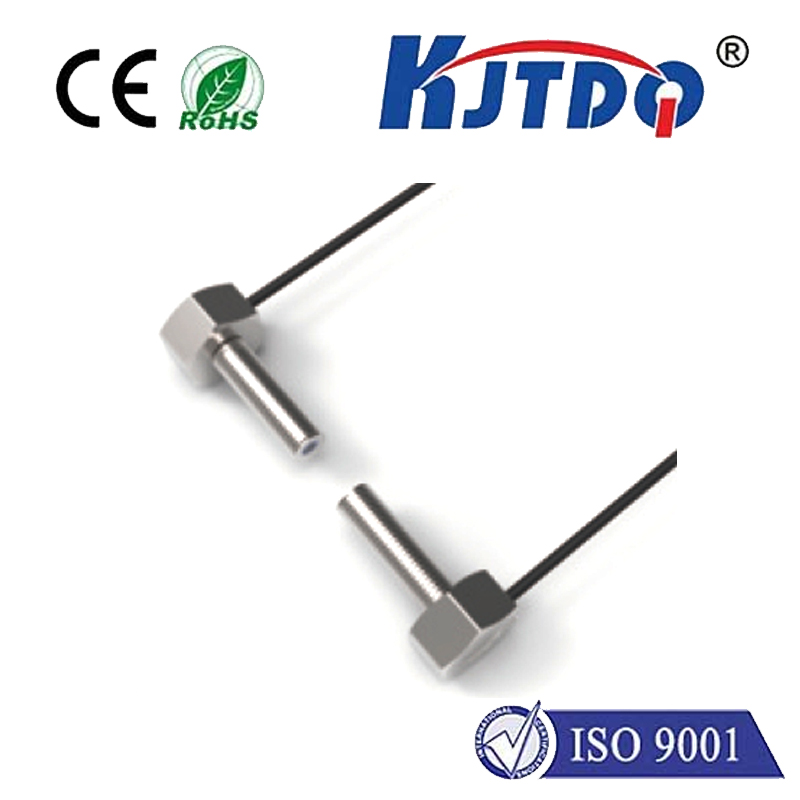
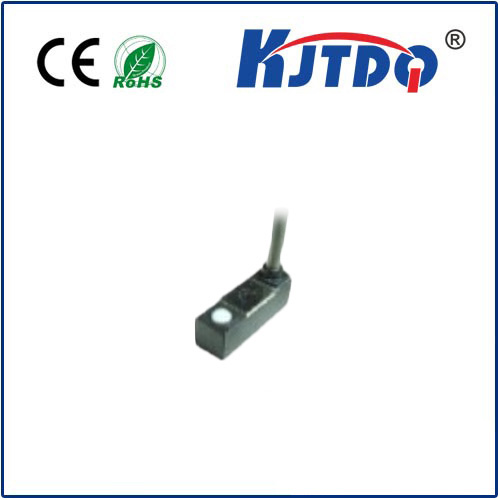
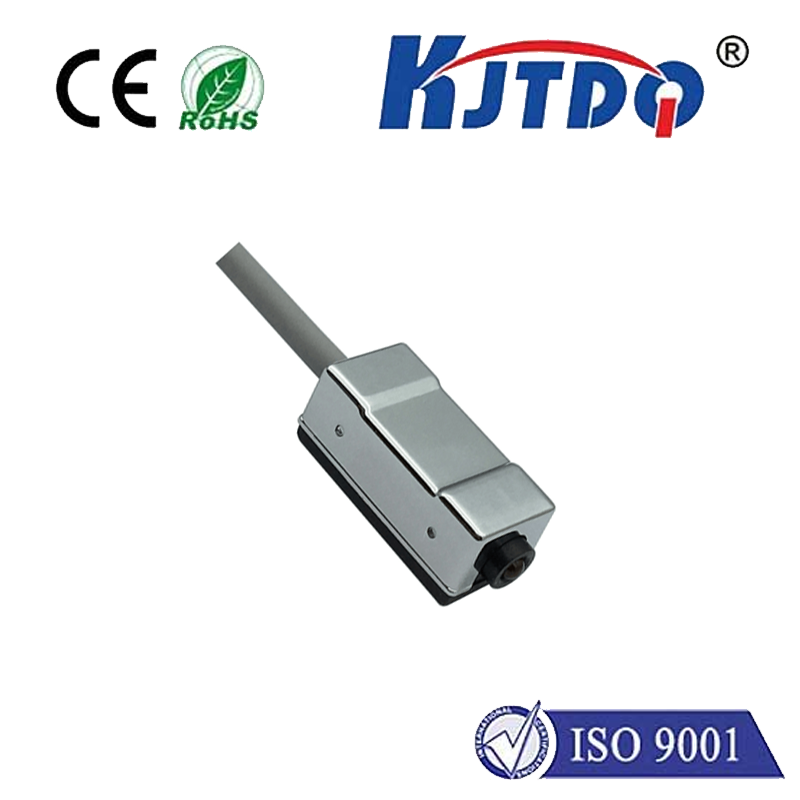
Installation and integration are streamlined for efficiency. The MFT202 often comes in a compact, threaded housing format (such as M12 or M18), making it compatible with standard industrial mounting fixtures. Many models feature a LED status indicator for quick visual confirmation of operation and switching state, simplifying commissioning and troubleshooting. The electrical output is typically a solid-state PNP or NPN signal, providing seamless compatibility with Programmable Logic Controllers (PLCs), counters, and other control systems. This plug-and-play functionality reduces engineering time and minimizes the risk of integration errors.
Beyond basic detection, the application of the MFT202 High Pressure Proximity Sensor drives tangible operational benefits. In injection molding, it ensures molds are correctly closed and clamped before high-pressure injection begins, preventing damage and flash. In hydraulic presses, it provides critical feedback for controlling ram position, enabling precise force application and protecting the tooling. Within automated production lines, it safeguards operations by verifying that high-pressure conditions are properly contained and that components are in their correct operational sequence. This proactive monitoring is a cornerstone of predictive maintenance strategies, allowing teams to address potential issues before they lead to unplanned stoppages.
Ultimately, the MFT202 is more than just a sensor; it is a strategic component for building resilient and intelligent industrial systems. Its unparalleled durability in high-pressure scenarios translates directly into reduced maintenance costs, minimized production interruptions, and enhanced operational safety. For industries where pressure is not just a parameter but a defining characteristic of the process, choosing a sensor like the MFT202 is a decision that supports long-term reliability, precision, and productivity. It empowers engineers to push the boundaries of automation with the assurance that their sensing solution is built to endure.