check

check

check

check

check

check
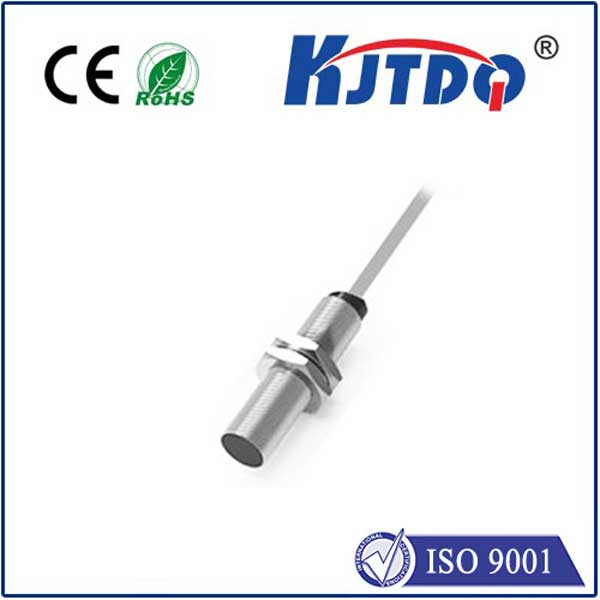
In the realm of industrial automation, where precision, reliability, and durability are non-negotiable, the choice of sensing technology can make or break operational efficiency. Among the myriad of options available, the KGG12P3KN-L55 High Pressure Proximity Sensor stands out as a premier solution engineered to thrive in the most challenging environments. This sensor is not merely a component; it is a critical asset for industries ranging from heavy machinery and hydraulic systems to offshore operations and high-pressure manufacturing lines.
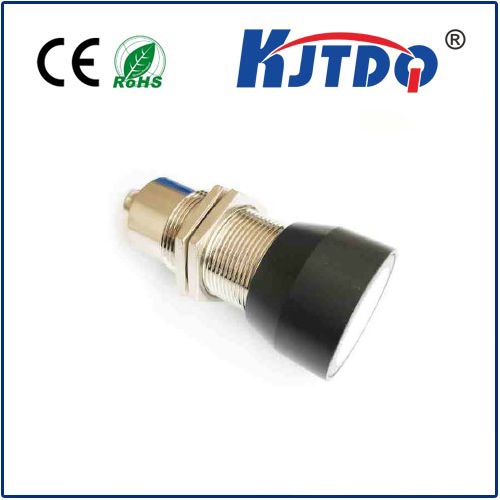
The core strength of the KGG12P3KN-L55 lies in its exceptional ability to perform under extreme pressure conditions. Unlike standard proximity sensors that may falter or degrade when subjected to high external pressures, this model is specifically designed with a robust housing and internal architecture that can withstand significant mechanical stress. This inherent resilience ensures consistent detection and switching performance, whether it's monitoring piston positions in a hydraulic press, detecting metal targets in submerged applications, or ensuring safety in high-pressure vessel operations. Its high-pressure rating is a key differentiator, providing a safety margin that translates to reduced downtime and maintenance costs.
Beyond its pressure tolerance, the sensor excels in environmental ruggedness. It typically features high ingress protection ratings, such as IP67 or higher, making it resistant to dust, water jets, and temporary immersion. This makes it an ideal candidate for washdown areas in food processing, outdoor machinery exposed to the elements, or mining equipment. The construction often involves stainless steel sensing faces and ruggedized bodies, offering excellent corrosion resistance against oils, coolants, and aggressive industrial chemicals. This longevity directly contributes to a lower total cost of ownership over the sensor's lifecycle.
Performance specifications of the KGG12P3KN-L55 are tailored for accuracy and stability. It offers a precise sensing range, ensuring reliable detection of ferrous and non-ferrous metal targets without false triggers. The switching frequency is optimized for fast-moving machinery, enabling real-time feedback for control systems. Furthermore, many variants come with advanced features like short-circuit protection, reverse polarity protection, and immunity to electromagnetic interference (EMI), which are crucial for maintaining signal integrity in electrically noisy industrial plants. The output options, typically PNP or NPN configurations, provide seamless integration with Programmable Logic Controllers (PLCs) and other industrial control systems.
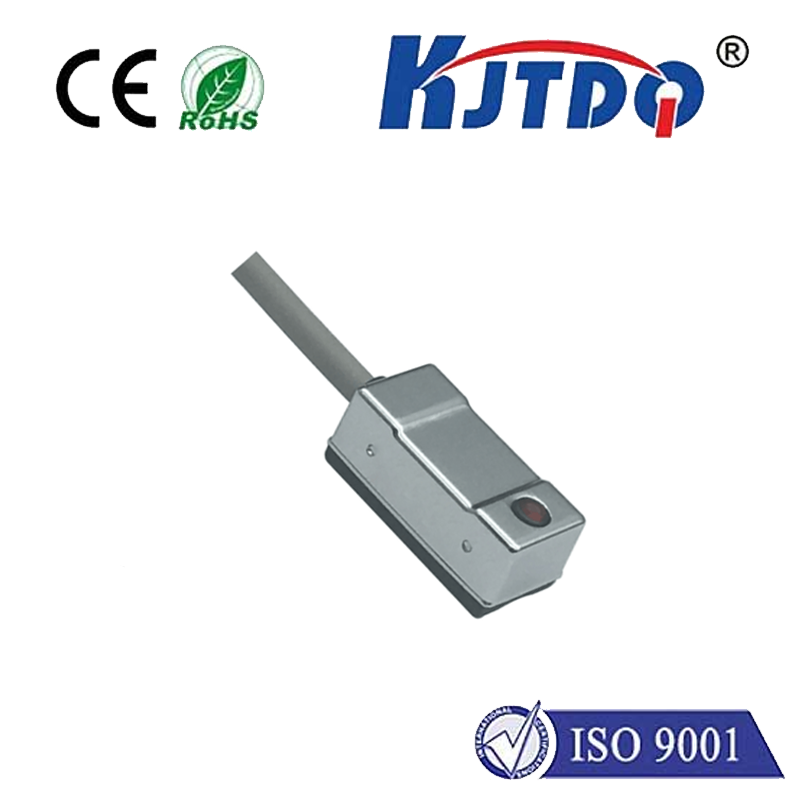
Installation and maintenance are streamlined for efficiency. The compact and often cylindrical design of the KGG12P3KN-L55 allows for easy mounting in space-constrained applications. Clear LED indicators for operational status facilitate quick diagnostics, minimizing troubleshooting time. Its design prioritizes long-term reliability, meaning once installed and correctly configured, it requires minimal intervention, allowing maintenance teams to focus on more critical tasks.
In practical application, consider a steel rolling mill where hydraulic cylinders operate under immense pressure to shape metal. A standard sensor might fail due to the combined forces of pressure, heat, and vibration. The KGG12P3KN-L55, however, reliably monitors cylinder rod positions, providing essential data for the control loop that ensures uniform product thickness and prevents equipment damage. Similarly, in offshore drilling, where equipment faces high ambient pressure and corrosive seawater, this sensor can reliably monitor valve positions or equipment status, contributing to both operational efficiency and safety protocols.
Choosing the KGG12P3KN-L55 High Pressure Proximity Sensor is an investment in operational certainty. It addresses the core pain points of industrial engineers: the need for components that won't fail under stress, that require little upkeep, and that deliver precise data consistently. By integrating this sensor into critical systems, businesses can enhance automation reliability, improve product quality, and bolster workplace safety. It represents a strategic move towards building more resilient and intelligent industrial infrastructure, capable of meeting today's demands and adapting to tomorrow's challenges.