check

check

check

check

check

check
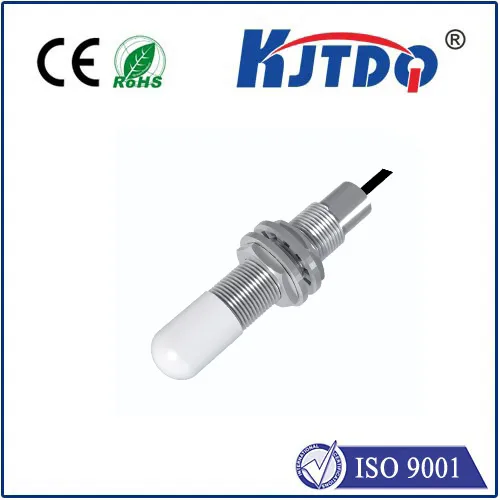
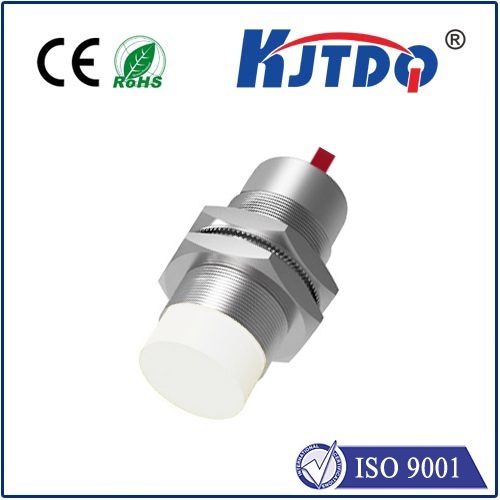
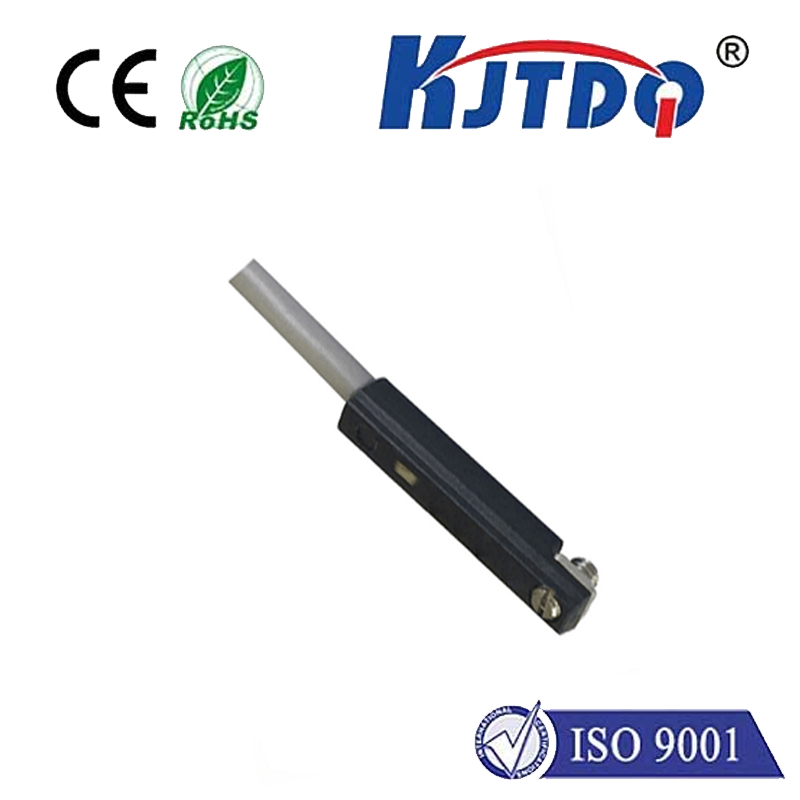
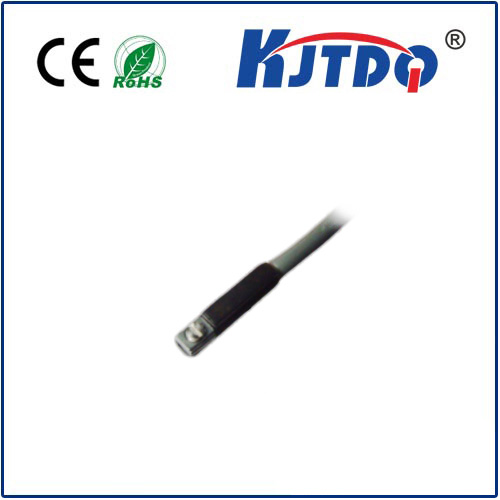
In the world of industrial automation, where reliability is non-negotiable and downtime costs a fortune, selecting the right sensing technology is a critical decision. The BHS002N BES 516-300-S241-D-PU-00,80 high pressure proximity sensor stands out as a premier choice for engineers and system integrators facing extreme operational conditions. This sensor is not just another component; it is a meticulously engineered solution designed to deliver unwavering performance where others fail.
The core challenge in high-pressure applications, such as hydraulic systems, heavy-duty presses, injection molding machines, and offshore equipment, is the relentless combination of immense force and potential contamination. Standard inductive proximity sensors often succumb to physical damage, seal failure, or signal drift under such stress. The BHS002N model directly addresses these pain points. Its robust stainless-steel housing is specifically constructed to withstand pressures that would compromise lesser devices. This durability ensures the sensor body remains intact, preventing leaks and protecting the sensitive internal electronics from ingress of oils, coolants, and particulate matter commonly found in industrial settings.
Beyond its physical resilience, the BHS002N BES 516-300-S241-D-PU-00,80 excels in sensing accuracy and consistency. Utilizing a high-quality inductive sensing principle, it provides precise, non-contact detection of metallic targets. This is crucial for monitoring piston positions in hydraulic cylinders, confirming mold closures, or ensuring safety guards are in place on high-tonnage machinery. The repeatability of its switching signal eliminates guesswork and contributes to tighter process control, enhancing both product quality and operational safety. The "PU" designation often indicates a PUR (polyurethane) cable, which offers excellent resistance to abrasion, oils, and hydrolysis, further extending the sensor's service life in harsh environments.
Installation and integration are streamlined with this sensor's design. Its compact form factor allows for mounting in space-constrained locations, a common scenario in complex machinery. The pre-wired cable or connector versions simplify electrical connections, reducing installation time and minimizing potential wiring errors. Maintenance teams appreciate the sensor's reliability, as it significantly reduces the frequency of replacements and troubleshooting, leading to lower total cost of ownership over its extended lifecycle.
A key application scenario is in the steel manufacturing industry, where hydraulic systems operate under tremendous pressure and are exposed to high temperatures and metallic dust. Here, the BHS002N sensor reliably monitors valve positions and cylinder end points, providing the control system with essential feedback to automate sequences safely. Similarly, in plastic injection molding, the sensor ensures the mold is securely locked under high clamping pressure before the injection cycle begins, preventing catastrophic damage to the tooling and machine.
For system designers, specifying the BHS002N BES 516-300-S241-D-PU-00,80 is a proactive step toward building more robust and reliable automation systems. It mitigates risk and builds in a margin of safety for applications where sensor failure could lead to production stoppages, product defects, or even safety incidents. Its performance under pressure translates directly into smoother production flow, reduced maintenance overhead, and greater overall equipment effectiveness (OEE).
When evaluating sensors for challenging applications, the decision often comes down to long-term value versus short-term cost. The BHS002N high pressure proximity sensor represents an investment in operational continuity. Its engineered robustness, precise detection capabilities, and proven reliability in the field make it an indispensable component for any industry that pushes equipment to its limits. By choosing a sensor built for extremes, you secure a critical link in your automation chain, ensuring your processes run with the confidence and precision demanded by modern manufacturing.