check

check

check

check

check

check
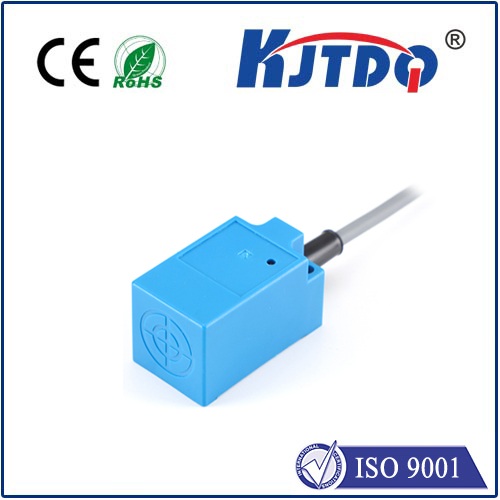
In the world of industrial automation, where precision and reliability are non-negotiable, the performance of individual components can dictate the efficiency of an entire production line. Among these critical components, proximity sensors stand as silent sentinels, ensuring accurate detection and seamless operation. For environments characterized by extreme pressures, harsh washdowns, or the constant threat of physical impact, a standard sensor simply won't suffice. This is where specialized solutions like the BD1.5-P3-M12-625 High Pressure Proximity Sensor enter the picture, engineered to deliver unwavering performance where others fail.
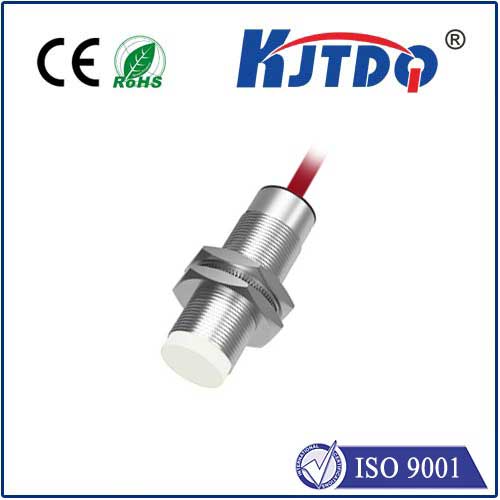
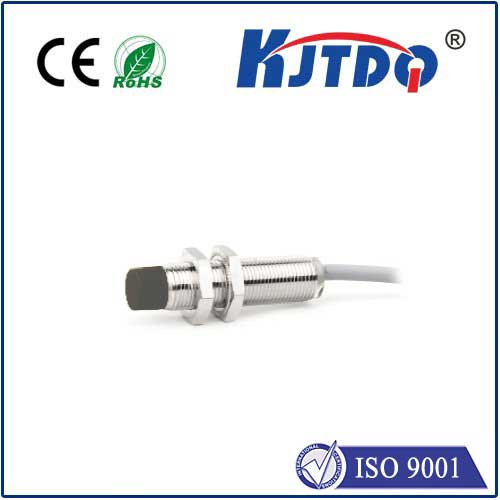
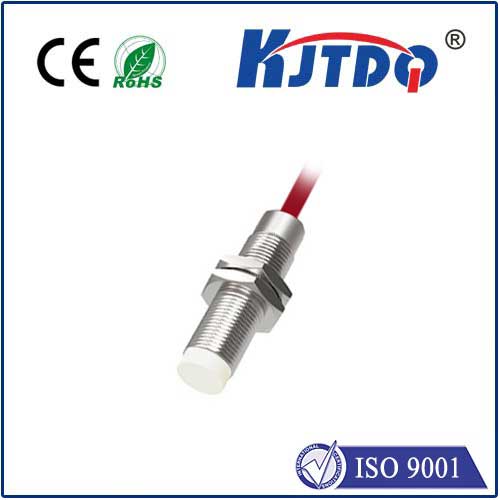
The core challenge in high-pressure applications, such as those found in hydraulic systems, die-casting machines, or high-pressure cleaning stations, is the immense stress exerted on equipment housings. A sensor not built to withstand these forces can suffer from seal failure, housing deformation, or ingress of media, leading to catastrophic malfunction and costly downtime. The BD1.5-P3-M12-625 model directly addresses this challenge. Its robust stainless-steel housing is designed and tested to endure sustained high-pressure environments, maintaining its structural integrity and protective seal. This resilience ensures that the sensitive inductive sensing element inside remains perfectly calibrated and isolated from external pressures, guaranteeing consistent detection of metallic targets.
Beyond mere pressure resistance, this sensor excels in installation versatility and environmental toughness. The P3 designation often refers to a flush-mountable design. This feature is crucial in applications where the sensor head must be installed flush with a machine surface to avoid snagging, scraping, or damage from passing materials or tools. The M12 connector is an industry-standard, providing a quick, secure, and liquid-tight connection that simplifies wiring and reduces installation time. The 625 likely denotes a specific sensing range or output configuration, offering precise detection for automated positioning, part presence verification, or end-of-travel limit switching in compact machinery.
Durability is further enhanced by the sensor's immunity to common industrial nuisances. It is typically shielded against electromagnetic interference (EMI) from nearby motors and drives, ensuring signal stability. Its design also resists the effects of cutting fluids, oils, coolants, and occasional splashes, making it a reliable choice for machine tools and CNC equipment. The non-contact inductive sensing principle means there are no moving parts to wear out, resulting in a long operational life with minimal maintenance, even in demanding cyclic operations.
Implementing the BD1.5-P3-M12-625 sensor translates into tangible benefits for operational management. The primary advantage is dramatically increased system reliability. By eliminating a common point of failure in high-pressure zones, plants can reduce unplanned stoppages, maintain production schedules, and lower maintenance costs associated with frequent sensor replacement. The precision of the sensor contributes to higher quality control, ensuring parts are correctly positioned for machining or assembly. Furthermore, its robust construction minimizes the total cost of ownership over its extended lifespan, providing a superior return on investment compared to standard-grade sensors that may falter under pressure.
When selecting a sensor for a challenging application, specifications are paramount. Engineers and maintenance managers should verify the exact pressure rating, temperature range, output type (e.g., PNP/NPN), and voltage specifications of the BD1.5-P3-M12-625 to ensure compatibility with their existing control systems. Proper installation following manufacturer guidelines—including correct mounting torque, secure connector mating, and appropriate cable routing—is essential to fully realize the sensor's engineered capabilities.
In conclusion, the BD1.5-P3-M12-625 High Pressure Proximity Sensor represents a focused solution for a specific set of industrial challenges. It is not merely a sensor but a reliability component designed for the most punishing spots on the factory floor. By choosing a sensor built to withstand high pressure, physical stress, and harsh conditions, businesses invest in the smooth, continuous, and efficient flow of their automated processes. For applications where failure is not an option, this sensor provides the dependable detection needed to keep systems running safely and productively.