check

check

check

check

check

check
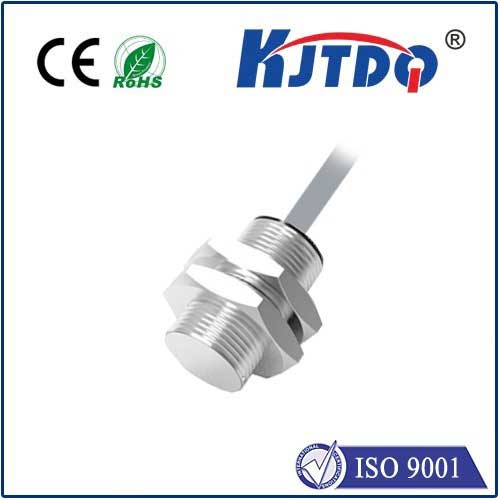
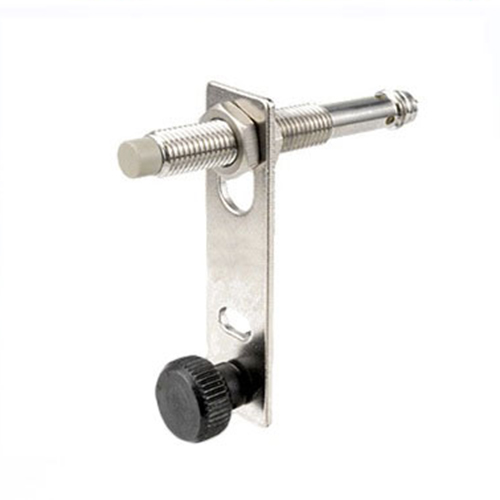
In the relentless world of industrial automation, where machinery operates under extreme pressures and within tight tolerances, the failure of a single component can cascade into costly downtime and safety hazards. Proximity sensing in high-pressure environments presents a unique set of challenges. Standard sensors often falter when exposed to intense mechanical stress, hydraulic fluids, and constant vibration. This is where specialized engineering becomes paramount. The M9H206 High Pressure Proximity Sensor emerges as a purpose-built answer, designed to deliver unwavering reliability where it matters most.
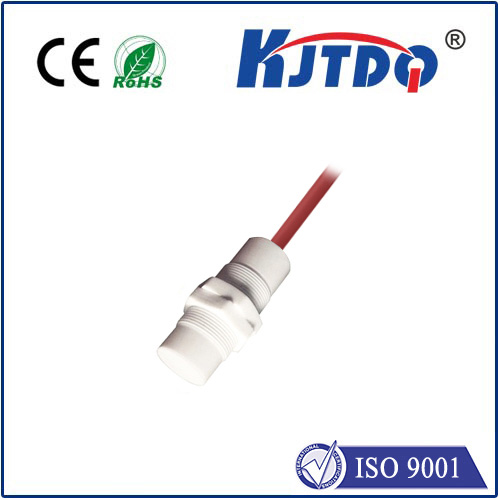
The core innovation of the M9H206 lies in its robust construction. Unlike conventional sensors, it is engineered with a housing and sensing face capable of withstanding sustained exposure to environments with pressures exceeding several hundred bar. This is achieved through the use of high-grade stainless steel alloys and advanced sealing technologies that prevent ingress of hydraulic oil, cutting fluids, and other corrosive media. The result is a sensor that maintains its structural integrity and sensing accuracy even when submerged or subjected to high-pressure washdowns common in industries like metalworking, die-casting, and heavy machinery manufacturing.
Precision is non-negotiable in automated processes. The M9H206 utilizes a high-performance sensing element, typically based on a ruggedized inductive or capacitive principle, tailored for high-pressure applications. It offers a consistent and precise switching signal, ensuring accurate detection of metal or other target materials regardless of the ambient pressure fluctuations. This repeatability is critical for applications such as monitoring piston position in hydraulic cylinders, detecting tool presence in CNC machining centers, or ensuring proper closure of high-pressure valves and molds. The sensor's stable performance eliminates false triggers, directly contributing to process consistency and product quality.
Durability extends beyond just pressure resistance. The M9H206 is built to endure the harsh realities of the factory floor. Its design accounts for extreme temperatures, shock, and vibration, which are byproducts of heavy industrial operations. The electrical connections are reinforced, and the cable or connector options are selected for maximum strain relief. This comprehensive ruggedness translates directly into a longer service life and reduced total cost of ownership. Maintenance intervals are extended, and the frequency of sensor replacement plummets, leading to significant savings in parts and labor over time.
Integration into existing control systems is streamlined. The M9H206 is available with standard output types (e.g., PNP/NPN, NO/NC) and voltage ranges compatible with most Programmable Logic Controllers (PLCs) and industrial networks. Its compact, often cylindrical form factor allows for installation in space-constrained locations near high-pressure actuators or within machinery guards. This ease of installation and compatibility minimizes retrofit time and complexity, allowing for quick upgrades to existing equipment or seamless inclusion in new machine designs.
Ultimately, the value proposition of the M9H206 High Pressure Proximity Sensor is clear: it is an investment in operational resilience. By providing a reliable sensing solution at the critical interface where high force meets automated control, it safeguards productivity. It prevents unplanned stoppages caused by sensor failure, protects expensive machinery from damage due to misalignment or missed signals, and enhances overall system safety. For engineers and plant managers overseeing processes in injection molding, hydraulic press operations, offshore equipment, or any application where pressure is a dominant factor, the M9H206 transitions from being a simple component to a strategic asset for ensuring continuous, efficient, and safe production.