check

check

check

check

check

check
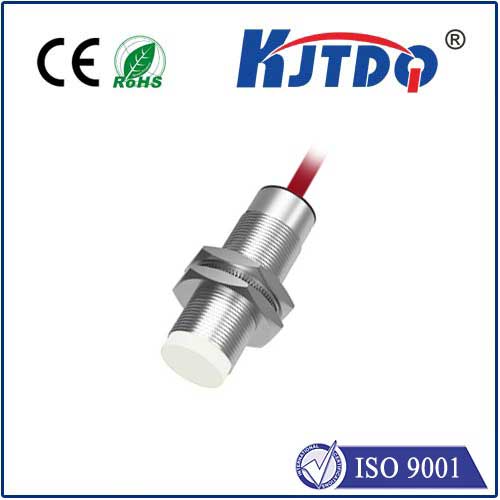
In the world of industrial automation, where reliability is non-negotiable and downtime is the ultimate enemy, selecting the right sensing technology is a critical decision. The BES 516 300 S322-S4-D High Pressure Proximity Sensor stands out as a premier choice for engineers and plant managers seeking unparalleled performance in the most challenging conditions. This inductive sensor is engineered not just to function, but to excel where others fail, offering a robust and dependable solution for high-pressure applications.
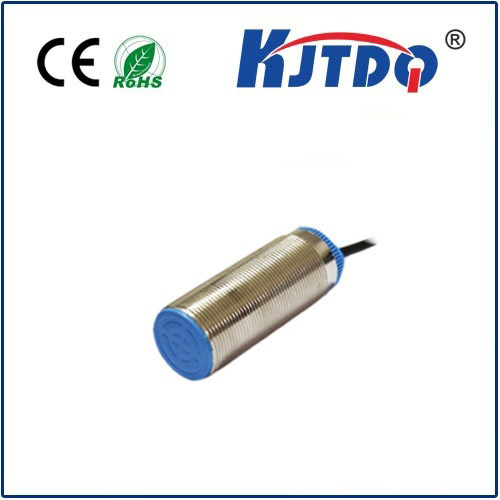
At its core, the BES 516 300 S322-S4-D is designed to withstand extreme environmental pressures, both literally and figuratively. Its defining characteristic is its high-pressure resistance, a feature that makes it indispensable in hydraulic systems, die-casting machines, injection molding equipment, and heavy-duty press lines. The sensor housing is constructed from high-grade stainless steel, providing exceptional mechanical strength and corrosion resistance. This robust build ensures that the sensor maintains its integrity and sensing accuracy even when subjected to intense physical stress, powerful shock, and constant vibration commonly found in manufacturing and processing plants.
The "S322-S4-D" designation reveals key specifications that highlight its advanced capabilities. It typically features a sensing range suitable for precise detection of metallic targets, with a 4mm nominal distance being common for this series. The "D" often indicates a DC 3-wire configuration with a PNP normally open (NO) switching output, a standard that ensures easy integration into modern control systems. The electrical connection is safeguarded by a high-quality M12 connector, offering quick installation and reliable signal transmission. Furthermore, these sensors are frequently equipped with advanced functions like short-circuit protection, reverse polarity protection, and an LED status indicator for operational feedback, simplifying maintenance and troubleshooting.
One of the most significant advantages of the BES 516 300 S322-S4-D is its ability to perform reliably in the presence of aggressive media. Whether it's exposure to cutting oils, coolants, or hydraulic fluids, the sensor's sealed design prevents ingress, ensuring long-term functionality. This makes it a perfect fit for machine tools, automated production lines, and any application where the sensor is in close proximity to operational fluids. Its high switching frequency also allows for the detection of rapidly moving parts, enabling precise control in high-speed automation processes.
When considering installation and lifecycle costs, this sensor proves to be a wise investment. Its durability directly translates to reduced replacement frequency and lower maintenance demands. By providing accurate and consistent position feedback for cylinders, valves, or machine parts under high pressure, it contributes significantly to process stability, product quality, and overall equipment effectiveness (OEE). Preventing false signals or sensor failures in critical applications can avoid costly production stops, material waste, and potential safety issues.
For system integrators and maintenance teams, the BES 516 300 S322-S4-D offers practical benefits. Its standardized design and mounting threads allow for straightforward replacement or upgrade of existing sensors without major system modifications. The clear operational indicators facilitate quick diagnostics, minimizing downtime during service intervals. Choosing a sensor from a reputable series like this ensures access to technical support, documentation, and a proven track record in the field.
In conclusion, the BES 516 300 S322-S4-D High Pressure Proximity Sensor is more than just a component; it is a cornerstone of resilient automation. It addresses the core challenges of modern industry—demanding pressures, harsh environments, and the relentless pursuit of efficiency. By delivering unwavering reliability, robust construction, and precise detection, it empowers businesses to build more reliable machinery, optimize their production processes, and achieve a higher level of operational security. For applications where failure is not an option, this sensor provides the confidence and performance needed to keep operations running smoothly.