check

check

check

check

check

check
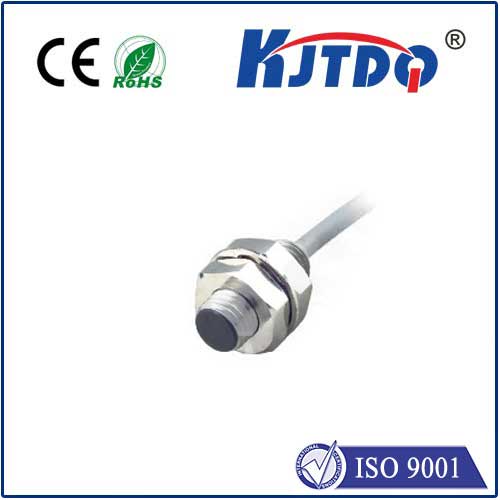
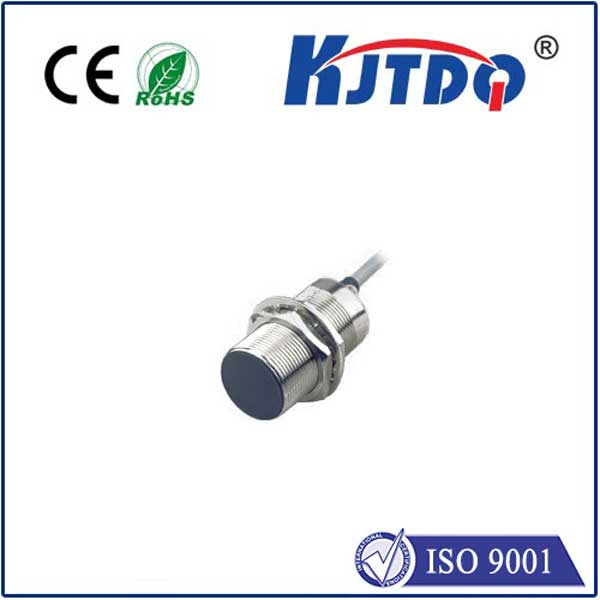
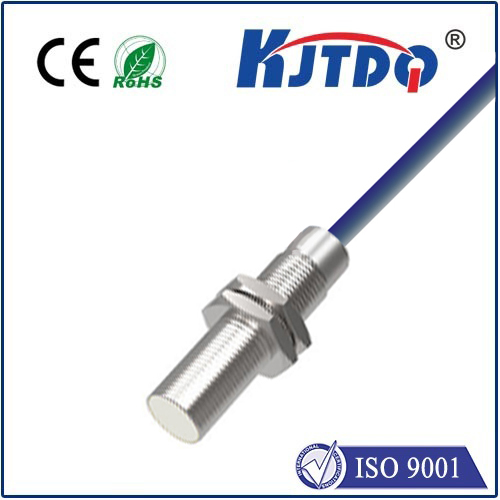
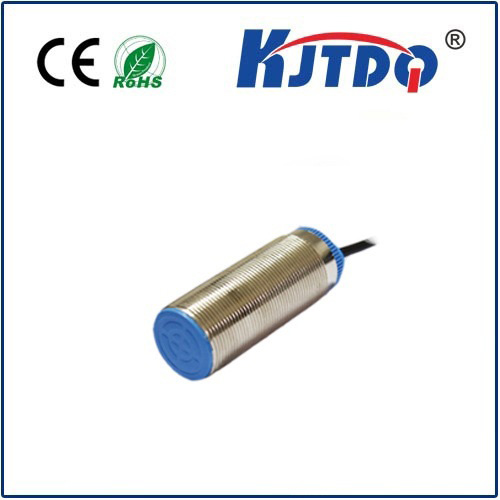
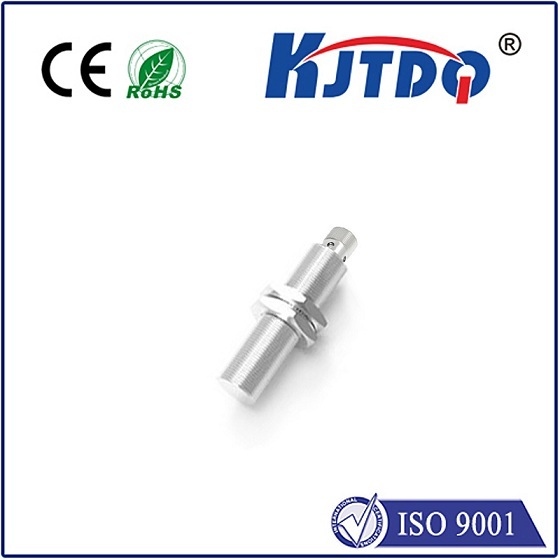
In the world of industrial automation and process control, the ability to detect objects or monitor positions reliably under extreme conditions is not just a convenience—it’s a critical necessity for safety, efficiency, and productivity. This is where specialized components like the DW-AS-503-P20 High Pressure proximity sensor come into play. Designed to operate flawlessly in environments where standard sensors would fail, this device represents a significant leap in sensing technology for high-pressure applications.
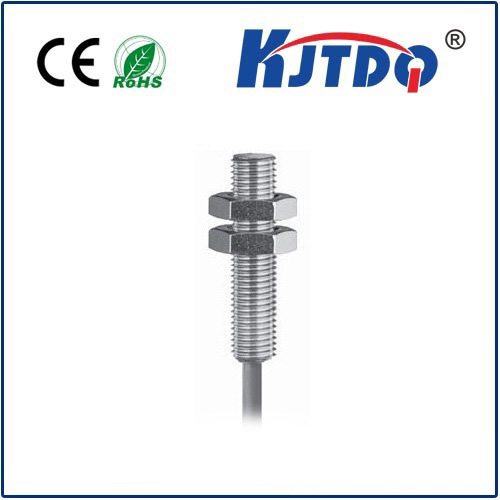
The DW-AS-503-P20 is engineered specifically for scenarios involving elevated pressure levels, such as those found in hydraulic systems, high-pressure cleaning equipment, injection molding machines, and certain subsea or deep-well operations. Unlike conventional inductive or capacitive proximity sensors, the DW-AS-503-P20 is built with a robust housing and internal components that can withstand sustained exposure to pressures that could compromise the integrity and function of lesser devices. Its construction typically involves high-grade stainless steel and specialized seals, ensuring both durability and resistance to media that might be present in the application environment.
One of the core functionalities of this high-pressure proximity sensor is its non-contact detection capability. Utilizing a technology like magnetostrictive principles or a specially shielded inductive mechanism, it can accurately sense the presence of a target—often a piston position in a cylinder or a valve state—without any physical contact. This non-contact nature eliminates mechanical wear, leading to a dramatically extended service life and reduced maintenance downtime. The “P20” designation often relates to a specific pressure rating, indicating the sensor is validated for operations up to a certain bar or psi threshold, making selection for specific projects straightforward.
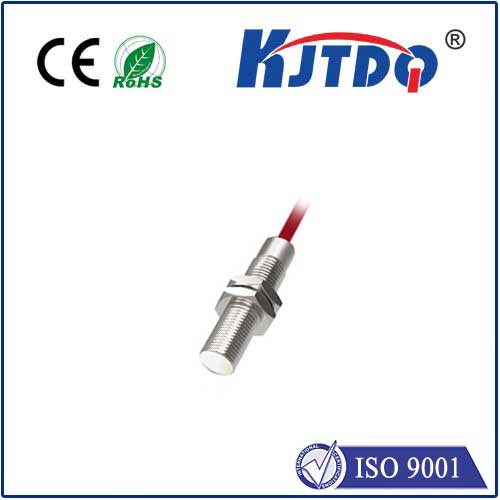
Installation and integration of the DW-AS-503-P20 are designed with the engineer in mind. It often features a compact form factor, standard mounting threads (like M12 or M18), and output options such as PNP/NPN or analog signals (4-20mA, 0-10V) for seamless connectivity with Programmable Logic Controllers (PLCs) and other control systems. This versatility allows it to be a drop-in solution for upgrading existing machinery or specifying for new, high-performance equipment.
The benefits of implementing such a sensor are substantial. First and foremost is enhanced system reliability. In a high-pressure hydraulic press, for instance, precise knowledge of a cylinder’s position is vital for cycle control and preventing damage. The DW-AS-503-P20 provides consistent, accurate signals even under pressure fluctuations and vibration. Secondly, it contributes to operational safety by providing fail-safe detection, which is crucial in preventing accidents in heavy machinery. Finally, by enabling more precise control and monitoring, it can lead to optimizations in process cycles, reducing energy consumption and improving overall output quality.
When selecting a high-pressure sensor like the DW-AS-503-P20, several key specifications must be considered beyond just the pressure rating. These include the sensing distance, response time, operating temperature range, electrical connection type, and the IP (Ingress Protection) rating for resistance to dust and water. Ensuring compatibility with the fluid or gas in the system is also essential, as chemical compatibility can affect long-term performance.
In conclusion, the DW-AS-503-P20 High Pressure proximity sensor stands as a specialized tool for solving complex detection challenges. Its robust design, reliable non-contact operation, and easy integration make it an indispensable component for engineers and system designers working in demanding sectors like oil and gas, heavy manufacturing, marine technology, and advanced industrial automation. By choosing a sensor built for the specific rigors of high-pressure environments, businesses can safeguard their operations, reduce lifecycle costs, and push the boundaries of what their machinery can achieve. For any application where pressure is a defining factor, this sensor offers a proven path to unwavering detection performance.