check

check

check

check

check

check
In the rigorous world of industrial automation, where machinery operates under extreme pressures and in unforgiving environments, the reliability of every component is paramount. Sensor failure is not an option, as it can lead to costly downtime, safety hazards, and production losses. This is where specialized components like the BES 516-300-S323-S4-D High Pressure Proximity Sensor prove their indispensable value. Engineered for precision and durability, this sensor is designed to deliver unwavering performance where standard sensors would falter.
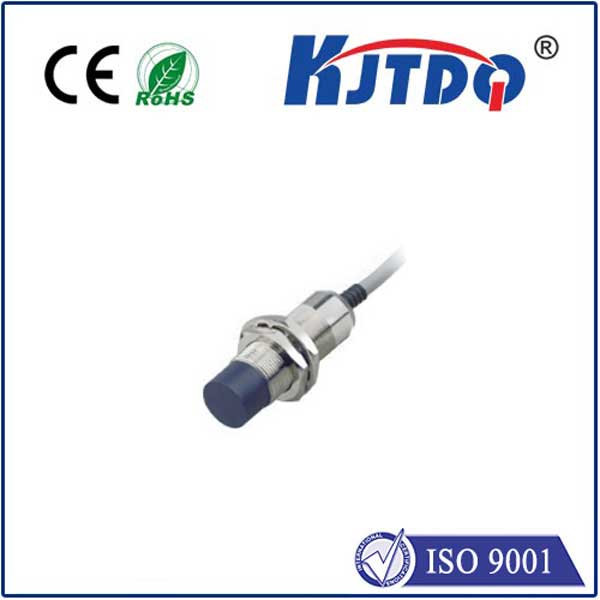
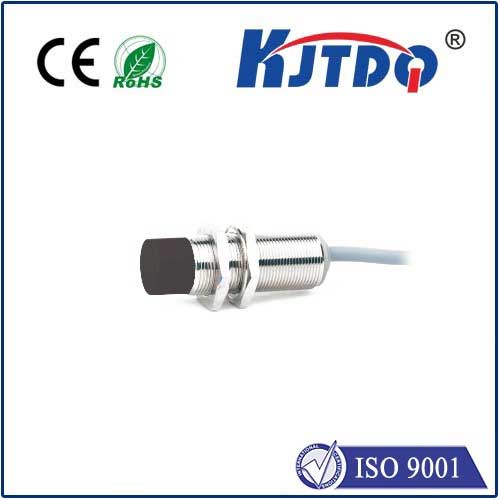
The core challenge in high-pressure applications, such as hydraulic systems, heavy-duty presses, or offshore equipment, is the immense force exerted on sensor housings. A standard inductive proximity sensor might function initially, but prolonged exposure can lead to housing deformation, seal failure, and ultimately, sensor malfunction. The BES 516-300-S323-S4-D is specifically built to withstand these conditions. Its robust stainless-steel housing is rated for high pressure, ensuring the internal electronics remain protected from ingress and mechanical stress. This inherent ruggedness translates directly to increased machine uptime and reduced maintenance intervals.
Beyond its physical resilience, the sensor excels in its primary function: precise and non-contact detection. Utilizing a robust inductive sensing principle, it reliably detects the presence of metallic targets—like pistons, valves, or machine parts—even when coated with oil, grease, or other contaminants common in industrial settings. The "S323" designation often refers to a specific flush-mountable design, allowing the sensor to be installed flush with the wall of a hydraulic cylinder or pressure vessel without creating an obstruction. This design is critical in high-pressure fluid systems to prevent turbulence and potential damage.
The electrical characteristics, hinted at by the "S4-D" suffix, typically indicate a DC 3-wire configuration with specific output types (like NPN or PNO) and connection methods. This ensures seamless integration into a wide array of control systems, from programmable logic controllers (PLCs) to more complex automation networks. Installers and engineers appreciate this standardization, as it simplifies wiring, replacement, and system troubleshooting.
Operational benefits are significant. The sensor's high switching frequency and repeat accuracy allow for precise control of machine cycles in high-speed production or critical positioning tasks. Its immunity to electromagnetic interference (EMI) ensures stable signals even in electrically noisy environments near large motors or frequency drives. For plant managers, this means consistent process quality and the elimination of errors caused by false sensor signals.
When selecting a sensor for demanding applications, the BES 516-300-S323-S4-D addresses several key decision factors. Its high-pressure rating directly mitigates the risk of failure in critical systems. The extended service life, thanks to its quality construction, offers a lower total cost of ownership despite a potentially higher initial investment compared to standard models. Furthermore, its compatibility and reliability support lean manufacturing goals by preventing unplanned stops.
In conclusion, the BES 516-300-S323-S4-D is far more than just a part number. It represents a targeted engineering solution for industrial scenarios where pressure, precision, and reliability intersect. For engineers designing new machinery or maintenance teams seeking to upgrade existing systems in hydraulic presses, injection molding machines, or marine equipment, specifying this sensor is a proactive step toward achieving operational excellence. It ensures that the sensing point—often the first link in the control chain—is a source of confidence, not concern, enabling smoother, safer, and more productive industrial operations.