check

check

check

check

check

check
In the high-stakes world of industrial automation and machinery, the reliability of every single component is non-negotiable. From hydraulic presses and injection molding machines to heavy-duty construction equipment, systems operate under immense pressure, both literally and figuratively. Sensor failure in these environments can lead to catastrophic downtime, costly repairs, and significant safety hazards. This is where precision-engineered components like the PSC0801-NP High Pressure Proximity Sensor step into the spotlight, offering unparalleled durability and accuracy where it matters most.
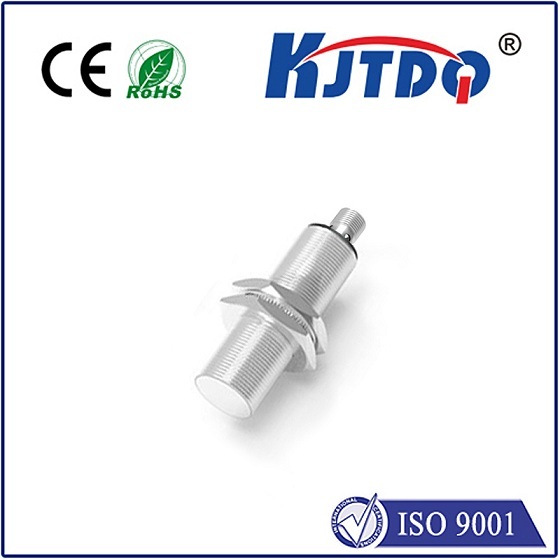
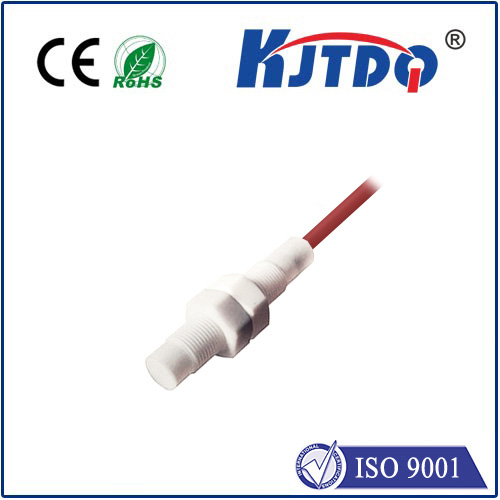
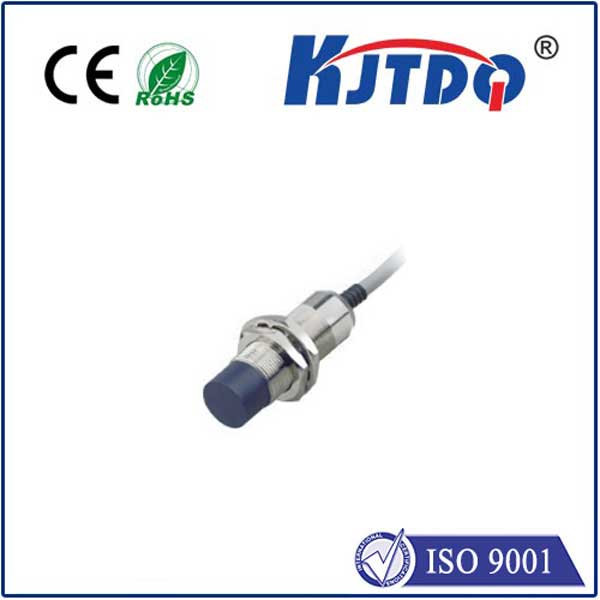
The PSC0801-NP is not just another sensor; it is a specialized device engineered to thrive in conditions that would compromise standard inductive proximity sensors. Its defining characteristic is its robust construction, specifically designed to withstand exposure to high-pressure washdowns, extreme vibrations, and the presence of conductive cutting fluids or coolants. The housing is typically crafted from high-grade stainless steel, providing exceptional resistance to corrosion and mechanical impact. This rugged exterior shields sensitive internal electronics, ensuring consistent performance and a long operational lifespan even in the most punishing workshops, foundries, or outdoor mobile equipment.
At its core, the sensor utilizes a high-frequency oscillation principle to detect the presence of metallic objects without physical contact. This non-contact operation is crucial for minimizing wear and tear, a key factor in achieving high reliability. The "NP" designation often indicates a Normally Open (NO) PNP output configuration, a common standard that simplifies integration into modern programmable logic controller (PLC) systems. This feature allows for straightforward wiring and programming, enabling the sensor to send a clear signal to the control unit the moment a target, such as a piston rod, valve position, or machine part, enters its predefined sensing range.
One of the most critical advantages of the PSC0801-NP is its exceptional resistance to pressure peaks and shock. In hydraulic systems, pressure spikes are a common occurrence. A standard sensor might experience internal damage or provide erratic signals under such stress. The PSC0801-NP, however, is built with this challenge in mind. Its design ensures that momentary high-pressure events do not affect its sensing capability or structural integrity. This makes it an ideal choice for monitoring cylinder end positions, detecting the presence of tools in high-pressure clamping units, or ensuring safety interlocks on heavy machinery are engaged.
Installation and maintenance are streamlined for efficiency. Many models feature LED status indicators that provide immediate visual confirmation of power supply and output switching, aiding in quick setup and troubleshooting. The sensing face is designed to be flush-mountable, allowing it to be installed directly into metal brackets or machine frames without losing detection capability, saving valuable space in compact machine designs. This versatility extends to various industrial sectors, including automotive manufacturing, metal forming, plastic processing, and forestry equipment.
Ultimately, selecting a sensor like the PSC0801-NP is an investment in operational stability. It goes beyond basic detection; it is about guaranteeing process continuity. By providing accurate, repeatable signals in environments characterized by high pressure, moisture, and physical stress, it helps prevent unplanned stoppages. This reliability translates directly into higher productivity, reduced maintenance costs, and enhanced overall equipment effectiveness (OEE). For engineers and maintenance managers tasked with optimizing performance and minimizing risk, integrating such a hardened sensor is a strategic decision that safeguards both the machinery and the bottom line.
In conclusion, the PSC0801-NP High Pressure Proximity Sensor represents a critical link in the chain of industrial automation. Its specialized design addresses the specific pain points of high-pressure applications, delivering toughness and precision in equal measure. When the operational environment demands more than a standard component can offer, this sensor provides the resilience needed to maintain control, ensure safety, and drive continuous, efficient production.