check

check

check

check

check

check
In the complex and often unforgiving world of industrial automation, the reliability of every component is paramount. A single sensor failure can lead to costly downtime, production errors, or even safety hazards. For applications involving extreme pressures, harsh environments, and the need for precise non-contact detection, the choice of sensor becomes critical. This is where the BD3-P1-M14S High Pressure Proximity Sensor establishes itself as an indispensable tool for engineers and system integrators seeking uncompromising performance.
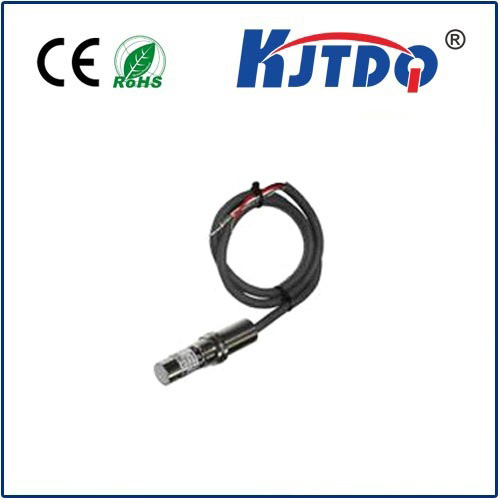
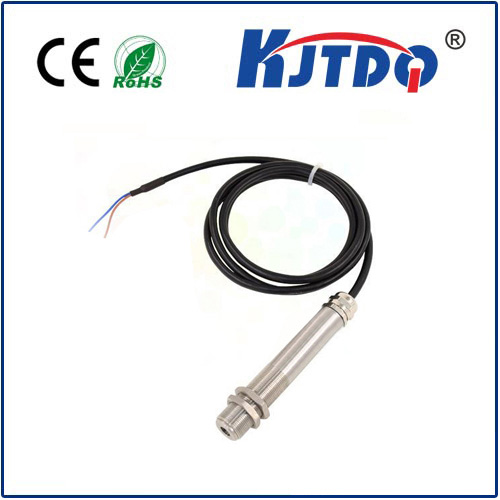
The BD3-P1-M14S is engineered specifically to operate in high-pressure environments where standard inductive proximity sensors would falter or fail. Its robust housing and specialized design allow it to maintain exceptional accuracy and stability even when subjected to significant external pressure fluctuations. This capability makes it the ideal choice for a wide range of demanding sectors, including hydraulic systems, die-casting machines, plastic injection molding equipment, and high-pressure testing rigs. In these settings, the sensor provides reliable detection of metallic targets—such as piston positions, valve states, or mold closures—ensuring precise process control and cycle timing.
What truly sets the BD3-P1-M14S apart is its combination of resilience and precision. Featuring a high-grade stainless steel sensing face and a ruggedized body, it offers superior resistance to physical impacts, vibrations, and corrosive coolants or lubricants commonly found in industrial workshops. The "M14S" designation refers to its compact M14 x 1 threaded barrel, facilitating easy installation and integration into standard mounting setups. Despite its tough exterior, the sensor delivers consistent switching performance with minimal hysteresis, providing repeatable detection points that operators can trust for critical automation sequences.
The operational principle is based on a damped-oscillator inductive technology, optimized for high-pressure conditions. This design minimizes the effects of pressure on the sensor's electromagnetic field, ensuring that the switching point remains stable. Whether detecting the presence of a steel piston rod inside a hydraulic cylinder or monitoring the position of a component in a pressurized chamber, the BD3-P1-M14S delivers a clear, unambiguous signal. Its output is typically a clean, electrically isolated switch signal (PNP or NPN, depending on configuration), compatible with standard programmable logic controllers (PLCs) and industrial control systems.
Beyond its core function, this sensor contributes significantly to predictive maintenance strategies. Its inherent durability and stable performance under stress reduce unexpected failures. By providing reliable data on machine cycle states and component positions, it enables maintenance teams to monitor system health and plan interventions before minor issues escalate into major breakdowns. This proactive approach directly translates to increased overall equipment effectiveness (OEE), lower lifetime costs, and enhanced production throughput.
For system designers, the integration of the BD3-P1-M14S simplifies the challenge of high-pressure sensing. Its standardized form factor and electrical connections mean no custom interfaces or complex adaptations are necessary. Engineers can specify this sensor with confidence, knowing it will perform as required without becoming a weak link in the system. It effectively bridges the gap between the harsh physical conditions of the factory floor and the precise digital control required by modern manufacturing.
In conclusion, the BD3-P1-M14S High Pressure Proximity Sensor is more than just a component; it is a foundational element for building robust and reliable industrial automation systems in challenging environments. Its specialized design addresses the specific pain points of high-pressure applications, offering a blend of durability, accuracy, and ease of use that is difficult to match. For industries where pressure is a constant factor, choosing a sensor like the BD3-P1-M14S is a strategic decision that safeguards productivity, ensures safety, and protects valuable capital equipment from the risks associated with sensor failure.