check

check

check

check

check

check
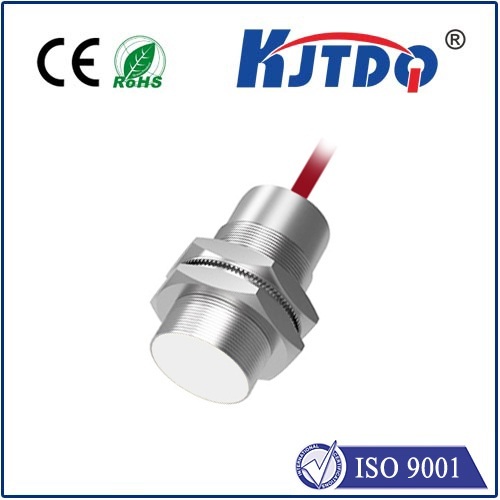
In the demanding world of industrial automation and process control, the reliability of every component is non-negotiable. Among the critical elements ensuring seamless operation, proximity sensors stand as silent sentinels. When the application involves high-pressure environments—common in hydraulic systems, heavy machinery, die-casting, and offshore equipment—the choice of sensor becomes even more critical. This is where the KGG12P2KD-Lf High Pressure Proximity Sensor, often associated with the KJTDQ brand for quality assurance, establishes its paramount importance. Engineered to deliver unwavering performance under extreme conditions, this sensor represents a significant leap in sensing technology.
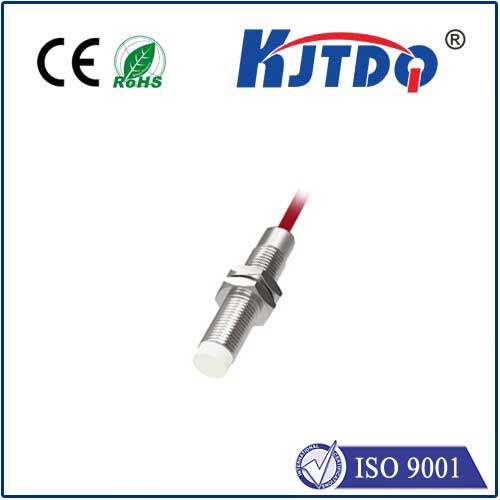
The core challenge in high-pressure settings is not just detection but sustained accuracy and durability. Standard inductive proximity sensors can falter when subjected to intense mechanical stress, pressure fluctuations, and potential media ingress. The KGG12P2KD-Lf model is specifically designed to conquer these challenges. Its robust housing, typically crafted from high-grade stainless steel, provides exceptional resistance to physical impact and corrosion. This construction is vital for environments where the sensor is exposed to high-pressure washdowns, abrasive particulates, or corrosive chemicals. The "High Pressure" designation isn't merely a label; it signifies a product tested and validated to maintain its sensing characteristics and structural integrity where others might fail.
Delving into its technical prowess, the KGG12P2KD-Lf is an inductive proximity sensor. It operates by generating an electromagnetic field. When a metallic target enters this field, it causes a change in oscillation, which the sensor detects, triggering a solid-state output switch. What sets this model apart are its enhanced specifications tailored for harsh duty. It typically features a extended sensing range compared to standard units in its size class, allowing for more flexible installation. Its switching frequency is optimized for high-speed applications, ensuring no target is missed even in rapid-cycle machinery. Furthermore, it boasts an impressive degree of ingress protection (often IP67 or higher), meaning it is completely dust-tight and can withstand temporary immersion, making it ideal for unpredictable industrial environments.
Electrical reliability is another cornerstone. The sensor is designed with stable performance across a wide operating voltage range, mitigating issues caused by power supply variances common in industrial plants. Its output, whether PNP or NPN configured in the "Lf" variant, provides a clear and stable signal to the programmable logic controller (PLC). This signal integrity is crucial for preventing false triggers or missed detections that could lead to costly downtime, machine jams, or even safety incidents. The inclusion of short-circuit and reverse polarity protection further safeguards both the sensor and the broader control system from accidental wiring errors.
Real-world applications for the KJTDQ KGG12P2KD-Lf are vast and varied. In hydraulic press systems, it reliably detects piston position under immense fluid pressure, ensuring precise control of the press cycle. Within injection molding machines, it monitors mold clamping force and ejector plate position, where failure is not an option. On offshore drilling platforms, it performs critical detection tasks despite exposure to saltwater spray and high atmospheric pressures. In the automotive industry, it is deployed in high-pressure die-casting cells to monitor robot end-effector positions. Its versatility also extends to machine tools, packaging lines operating under high-pressure cleaning regimes, and any automated system where metal detection must occur in a pressurized or physically punishing zone.
Selecting the right sensor involves more than just matching specifications. For engineers and maintenance managers, the KGG12P2KD-Lf offers tangible benefits that translate directly to the bottom line. Its exceptional durability leads to a longer mean time between failures (MTBF), drastically reducing replacement costs and maintenance labor. Its consistent accuracy enhances overall process quality and repeatability. By choosing a sensor built for high-pressure endurance, facilities preemptively avoid the cascade of problems caused by sensor failure: unplanned stoppages, product waste, and potential equipment damage. It is an investment in operational continuity.
Installation and integration are straightforward, thanks to standardized mounting threads and connector systems. However, best practices should always be followed. Ensuring the correct sensing distance, avoiding sensor face contact with the target, and providing adequate shielding in areas with extreme electromagnetic interference are key to unlocking its full potential. Regular visual inspections for physical damage and periodic functional checks will ensure the sensor continues to perform as intended throughout its extended service life.
In conclusion, the KGG12P2KD-Lf High Pressure Proximity Sensor, exemplified by the KJTDQ standard of reliability, is not just another component; it is a engineered solution for industrial resilience. It addresses the core need for dependable sensing in environments where pressure, both literal and operational, is constantly high. By delivering robust construction, precise detection, and unwavering electrical performance, it empowers industries to build more reliable, efficient, and safe automated systems. For any application where failure is not an option, specifying this high-pressure proximity sensor is a decisive step toward achieving unparalleled operational uptime and control.