check

check

check

check

check

check
In the complex and often unforgiving world of industrial automation, the reliability of every component is paramount. Sensors, acting as the nervous system of modern machinery, must deliver unwavering performance under extreme conditions. Among these critical components, proximity sensors play a vital role in non-contact detection, and when the operating environment involves high pressure, the requirements become exceptionally stringent. This is where specialized solutions like the CYJ-A16M-2ANB High Pressure Proximity Sensor distinguish themselves, offering robust performance where standard sensors would falter.
The CYJ-A16M-2ANB is engineered specifically for applications where equipment is subjected to elevated internal or external pressures. Common scenarios include hydraulic systems, high-pressure washing and cleaning machinery, injection molding equipment, die-casting machines, and fluid power systems in manufacturing and processing plants. In these environments, a standard inductive or capacitive proximity sensor might fail due to seal compromise, housing deformation, or signal interference caused by the intense pressure. The CYJ-A16M-2ANB addresses these challenges head-on with a design philosophy centered on durability and precision.
A key feature of this sensor is its robust housing and sealing technology. Constructed from high-grade stainless steel or similarly resilient materials, the body is designed to withstand significant mechanical stress and pressure fluctuations without leaking or deforming. The integrated seals are critical, often utilizing advanced polymers or metal-to-metal sealing techniques to prevent ingress of fluids or gases, even under sustained high-pressure conditions. This ensures the internal electronics—the heart of the sensing mechanism—remain protected and fully operational.
The sensing performance itself is tailored for high-pressure environments. Utilizing a reliable inductive sensing principle, the CYJ-A16M-2ANB can detect the presence of metallic targets with high repeatability and accuracy. Factors like pressure-induced vibrations or temperature variations, which often accompany high-pressure processes, are compensated for within its design. This results in a stable switching signal, minimizing false triggers or missed detections that could lead to costly downtime or process errors. The sensor typically offers a defined sensing range, such as 2mm, 4mm, or 8mm, allowing for precise installation relative to the target.
Electrical integration is another area of focus. The sensor is commonly available in standard output configurations like PNP (sourcing) or NPN (sinking), with a 3-wire connection, making it compatible with a wide range of Programmable Logic Controllers (PLCs) and control systems. Many models feature LED status indicators for easy diagnostics, a crucial feature when the sensor is installed in hard-to-reach or visually obscured locations within a pressurized system. The operating voltage range is designed to align with common industrial DC power supplies, such as 10-30V DC.
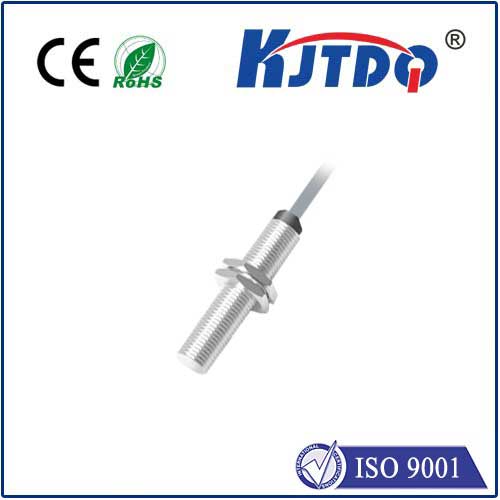
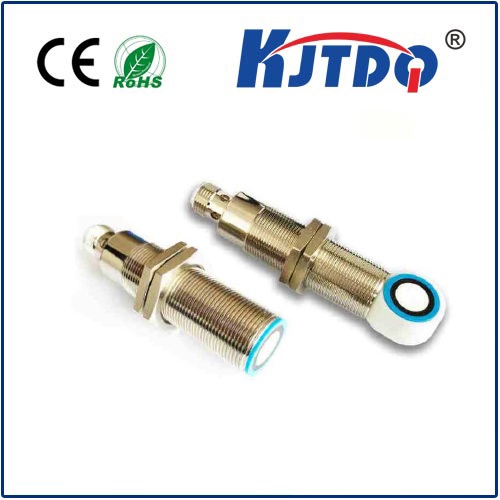
Installation and maintenance considerations are simplified. The cylindrical form factor, often in an M12, M18, or M30 threaded barrel style, allows for easy mounting into standard fixture holes. The high-pressure rating means it can often be installed directly into the wall of a pressure vessel or hydraulic cylinder port, providing direct detection capability without the need for complex and failure-prone mechanical linkages or auxiliary sensing devices. This direct integration reduces points of potential failure and simplifies system design.
For engineers and maintenance professionals, selecting the CYJ-A16M-2ANB translates to enhanced system reliability. It mitigates the risk of unscheduled stoppages caused by sensor failure in critical high-pressure zones. By providing a consistent and accurate detection signal, it contributes to smoother cycle times, improved product quality, and overall operational safety. Its use is a proactive measure in predictive maintenance strategies, as a reliable sensor provides trustworthy data for monitoring machine health.
When specifying a sensor for a high-pressure application, several parameters beyond just pressure rating must be considered. These include the media type (oil, water, chemical), temperature range, target material, required sensing distance, and electrical interface. The CYJ-A16M-2ANB series typically offers variants to meet these specific combinations, ensuring an optimal fit for the application. Consulting technical datasheets and, when necessary, the manufacturer's engineering support is recommended to confirm suitability for the specific pressure levels and environmental conditions.
In conclusion, the CYJ-A16M-2ANB High Pressure Proximity Sensor represents a specialized tool for a demanding niche. It is not merely a sensor but a reliability component engineered to perform where conditions exceed the norm. For industries reliant on hydraulic power, high-pressure processing, or any system where pressure is a fundamental factor, integrating such purpose-built sensors is a strategic decision. It safeguards productivity, protects capital equipment, and ensures the continuous, efficient flow of automated operations, proving that in industrial automation, the right component for the right environment makes all the difference.