check

check

check

check

check

check
In the relentless world of industrial automation, where machinery operates under extreme pressures and within tight tolerances, the reliability of every component is non-negotiable. Sensor failure in such environments can lead to catastrophic downtime, safety hazards, and significant financial loss. This is where precision-engineered components like the KGG12P2BDC High Pressure Proximity Sensor step into the spotlight, offering unparalleled performance where it matters most.
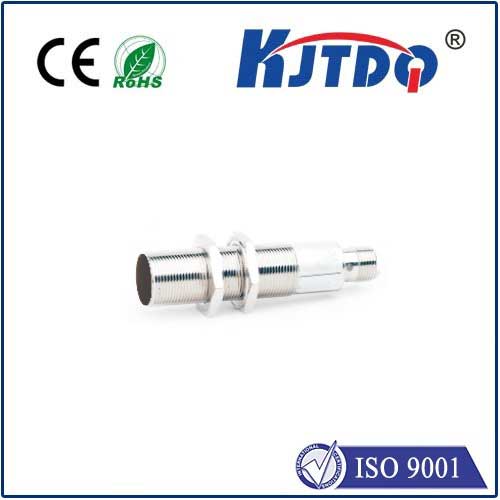
The KGG12P2BDC is not just another sensor; it is a specialized device engineered to thrive under conditions that would compromise standard proximity switches. Its core design principle revolves withstanding exceptionally high ambient pressures, often encountered in applications like hydraulic systems, deep-sea equipment, pressure vessels, and high-pressure processing lines. Unlike conventional sensors whose sensing characteristics or housing integrity can falter under such stress, the KGG12P2BDC maintains consistent and accurate detection.
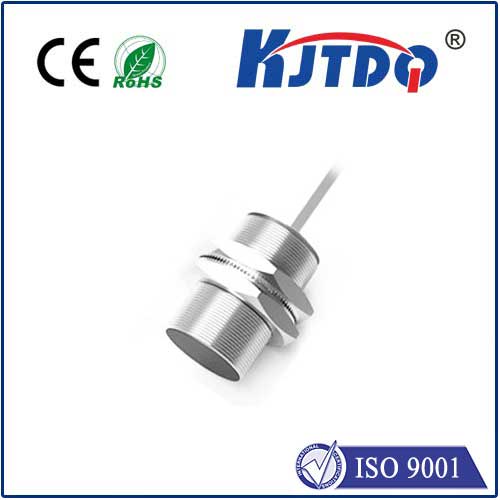
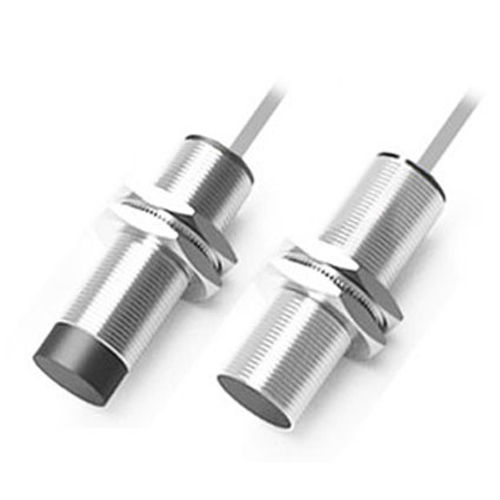
What sets this sensor apart is its robust construction. Typically housed in a stainless-steel body, it is built to resist mechanical shock, vibration, and corrosion. The sensing face is designed to be resilient, ensuring that its inductive or capacitive sensing capabilities remain unaffected by the surrounding high-pressure medium, whether it's oil, water, or compressed air. This durability translates directly into reduced maintenance cycles and a longer operational lifespan, providing a superior return on investment.
The operational principle of the KGG12P2BDC remains elegantly simple yet highly effective. As a proximity sensor, it detects the presence or absence of a metallic target without physical contact. Under high-pressure conditions, its internal electronics are meticulously calibrated and shielded to prevent false triggers or signal drift. The "BDC" designation often refers to its specific electrical output configuration, such as a PNP normally open (NO) or normally closed (NC) switch, ensuring easy integration into existing PLC (Programmable Logic Controller) systems and control panels. This plug-and-play compatibility minimizes installation complexity and time.
Real-world applications for the KGG12P2BDC are vast and critical. In the oil and gas industry, it monitors valve positions and equipment status within high-pressure pipelines and drilling rigs. In manufacturing, it ensures precise positioning of components in hydraulic presses and die-casting machines. The food and beverage sector utilizes it in high-pressure sterilization (pascalization) equipment, where hygiene and reliability are paramount. Furthermore, in test stands and research facilities simulating deep-sea or aerospace conditions, this sensor provides trustworthy data where environmental pressure is a key variable.
Selecting the right high-pressure proximity sensor involves several key considerations, and the KGG12P2BDC addresses them comprehensively. First is the pressure rating; it is crucial to choose a sensor whose specified maximum pressure exceeds the application's peak operating pressure with a safe margin. Second is the sensing distance; this sensor offers a precise range, ensuring reliable detection even when targets cannot be positioned extremely close. Material compatibility is another vital factor—its wetted materials must be suitable for the medium to prevent corrosion or contamination. Finally, output type and connection style must match the control system's requirements to ensure seamless communication.
Installation and maintenance, while straightforward, demand attention to detail. Proper mounting, using the correct seals and gaskets, is essential to maintain the sensor's pressure integrity. Wiring should be performed according to the manufacturer's datasheet, paying close attention to voltage requirements. Although built for endurance, periodic checks for physical damage, seal degradation, and signal consistency are recommended as part of a proactive maintenance schedule to prevent unexpected failures.
In conclusion, the KGG12P2BDC High Pressure Proximity Sensor represents a critical advancement in industrial sensing technology. It fills a essential niche for applications where environmental pressure is a dominant and challenging factor. By delivering unwavering accuracy, robust durability, and easy integration, it empowers engineers and system designers to build more reliable, safer, and efficient automated systems. For industries pushing the boundaries of pressure, opting for a specialized sensor like the KGG12P2BDC is not merely a choice—it is a strategic imperative for ensuring continuous operation and protecting valuable assets.