check

check

check

check

check

check
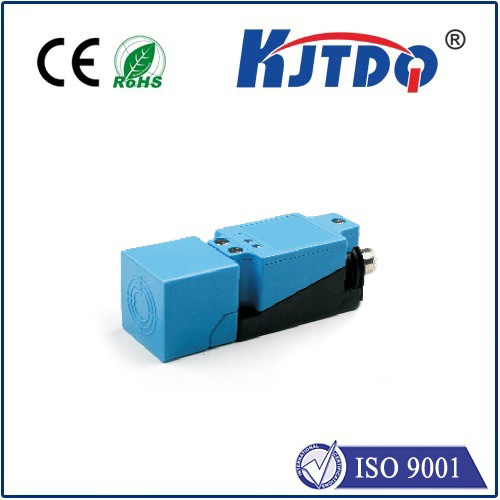
In the demanding world of industrial automation, where machinery operates under extreme conditions, the reliability of every component is non-negotiable. Among these critical components, proximity sensors play a pivotal role in detecting the presence or absence of objects without physical contact. However, standard sensors often falter in environments characterized by high pressure, intense vibration, and potential fluid ingress. This is where specialized solutions like the DW-AS-503-P20-LH High Pressure Proximity Sensor step in, engineered to deliver unwavering performance where others cannot.
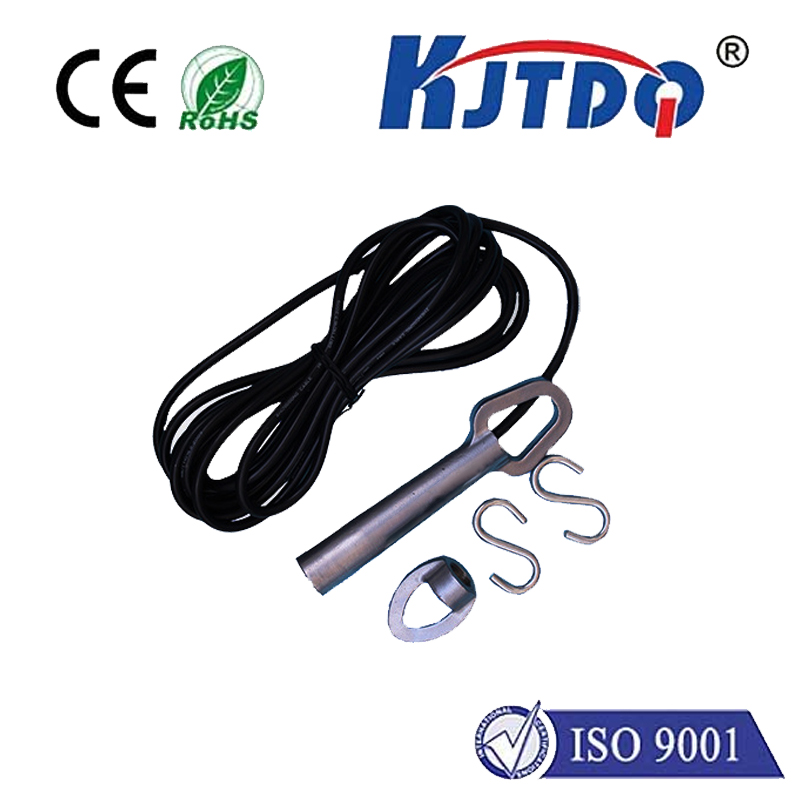
The DW-AS-503-P20-LH is not merely a sensor; it is a robust sensing solution designed for challenging applications. Its core designation reveals its capabilities: built to withstand high-pressure environments, a critical requirement in industries such as hydraulic systems, die-casting, plastic injection molding, and offshore equipment. The sensor's construction typically involves a hermetically sealed, all-metal housing, often made from stainless steel, providing exceptional resistance to physical impact and corrosion. This rugged design ensures that internal electronics are completely isolated from external pressures and contaminants, guaranteeing long-term stability and accuracy.
One of the standout features of this sensor series is its high-pressure rating. Unlike conventional inductive proximity sensors that may fail or provide erratic signals under elevated pressure, the DW-AS-503-P20-LH is specifically calibrated to maintain its sensing characteristics. This makes it indispensable for monitoring piston positions in hydraulic cylinders, detecting molds in high-pressure presses, or ensuring tool positioning in CNC machinery operating with high-pressure coolant systems. The "LH" suffix often indicates a particular form factor or connection type, such as a long barrel design with a specific cable or connector, offering flexibility for installation in tight spaces common in complex machinery.
Performance under pressure is matched by its precise sensing technology. Utilizing a high-frequency oscillation principle, the sensor creates an electromagnetic field. When a metallic target enters this field, it causes a change in oscillation amplitude, which is detected and converted into a clear switching signal. The DW-AS-503-P20-LH is known for its consistent switching point, minimal hysteresis, and excellent repeatability. This precision is crucial for processes where a few millimeters can mean the difference between optimal operation and costly downtime or product defects.
Installation and integration are streamlined for industrial environments. The sensor is designed to meet international protection standards, such as IP67, IP68, or IP69K, ensuring it is dust-tight and can withstand prolonged immersion or high-pressure, high-temperature washdowns. This is vital for food and beverage processing, pharmaceutical manufacturing, or any facility requiring strict hygiene protocols. Its compatibility with standard PLC (Programmable Logic Controller) systems and various voltage ranges (e.g., 10-30V DC) allows for seamless integration into existing control architectures without requiring extensive modifications.
The operational benefits of deploying the DW-AS-503-P20-LH are substantial. First and foremost is enhanced system reliability. By providing accurate detection in high-pressure zones, it prevents machine malfunctions, reduces the risk of damage to expensive tools and dies, and minimizes unplanned stoppages. This directly translates to higher Overall Equipment Effectiveness (OEE). Secondly, its durability leads to a lower total cost of ownership. The need for frequent sensor replacements due to failure from pressure spikes, oil immersion, or mechanical shock is drastically reduced, cutting down on both part costs and maintenance labor.
Consider a real-world application in a steel mill's hydraulic system. Here, pressures can soar, and the environment is filled with conductive metallic particles and vibrations. A standard sensor might succumb quickly, leading to false triggers or complete failure. The DW-AS-503-P20-LH, with its hardened shell and pressure-compensated design, reliably monitors valve positions or cylinder end points, ensuring the precise control needed for rolling and cutting operations. Similarly, in underwater robotics or subsea equipment, where sensors face immense ambient pressure, a variant of this high-pressure sensor technology is essential for depth monitoring or tool actuation feedback.
When selecting a high-pressure proximity sensor, engineers must evaluate several factors beyond just the pressure rating. The sensing distance, target material (typically ferrous metals), temperature operating range, and output type (PNP/NPN, NO/NC) are all critical. The DW-AS-503-P20-LH series typically offers options to meet these varied needs, allowing for precise specification matching. It is always recommended to consult technical datasheets and, if necessary, engage with application engineers to ensure the selected model aligns perfectly with the operational pressures and environmental conditions of the specific use case.
In conclusion, for automation systems operating at the limits of pressure and durability, the choice of sensing component cannot be an afterthought. The DW-AS-503-P20-LH High Pressure Proximity Sensor represents a dedicated engineering response to these harsh realities. It provides a blend of ruggedness, precision, and reliability that safeguards processes, optimizes productivity, and ensures continuous operation. By investing in such purpose-built sensors, industries can build more resilient automation frameworks capable of thriving in the most challenging operational landscapes, turning potential points of failure into pillars of strength.