check

check

check

check

check

check
In the intricate world of industrial automation, the reliability of a single component can dictate the efficiency of an entire production line. Among these critical components, photoelectric switches stand as silent sentinels, ensuring precision and safety. The CL75-3033NH photoelectric switch emerges as a particularly robust solution, engineered to meet the demanding challenges of modern manufacturing and material handling environments. This guide delves into the core features, operational principles, and practical applications of this advanced sensor, providing a comprehensive overview for engineers and system integrators.
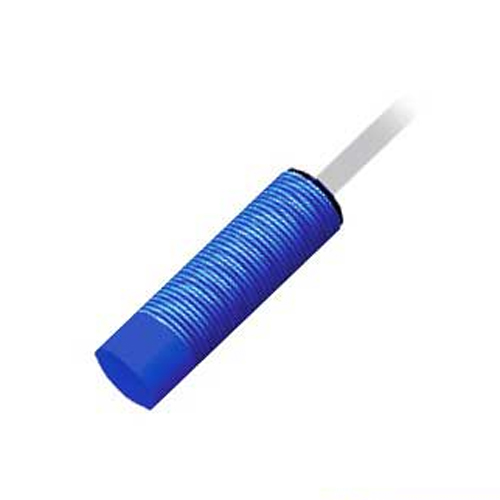
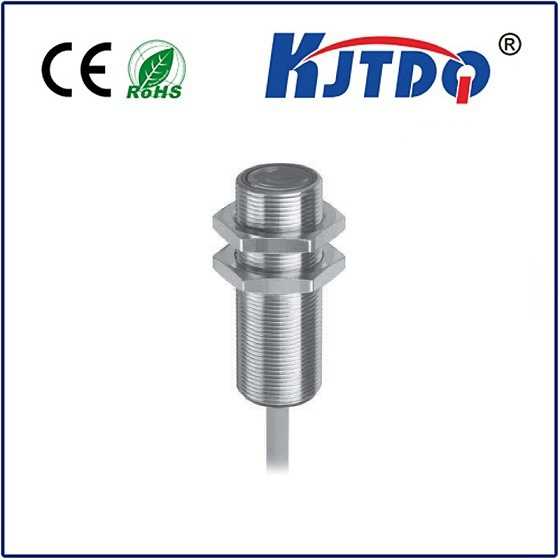
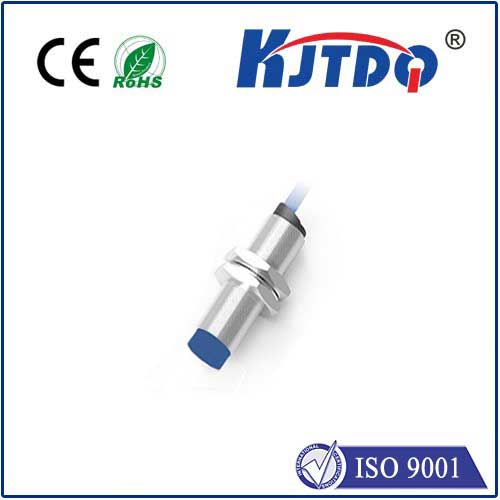
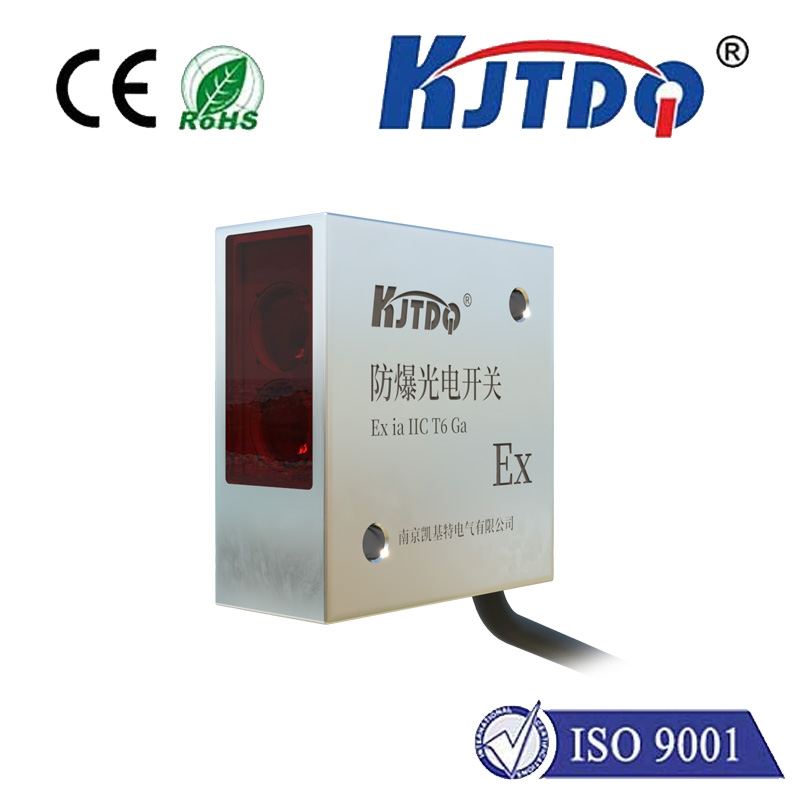
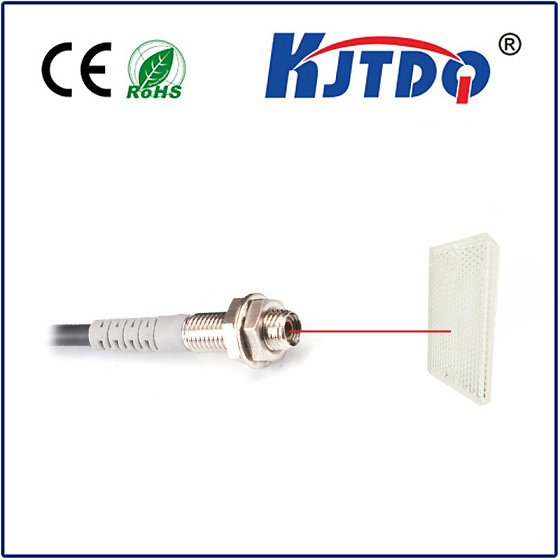
At its heart, the CL75-3033NH is a through-beam photoelectric sensor. This design involves two separate units: a transmitter and a receiver. The transmitter projects a focused beam of light—typically infrared or laser—across a designated path. The receiver, positioned opposite, continuously monitors this beam. When an object interrupts the light beam, the receiver detects the change and triggers an electrical output signal. This fundamental through-beam method is renowned for its exceptional sensing range, high accuracy, and immunity to environmental factors like target color, reflectivity, or surface texture. The CL75-3033NH leverages this principle to offer long-distance detection capabilities with remarkable stability.
The designation "CL75-3033NH" is not arbitrary; it encodes the sensor's key specifications. The model signifies a device built for durability and performance. Key features often include a sensing distance that can span several meters, ensuring flexibility in machine layout. It is housed in a rugged, typically metal or high-grade polymer casing, providing resistance to physical impact, dust, and moisture—often conforming to IP67 or higher ingress protection ratings. The "NH" suffix may indicate specific variants, such as those with enhanced noise immunity or specialized output configurations (e.g., NPN or PNP transistor outputs). These outputs seamlessly interface with Programmable Logic Controllers (PLCs), relays, and other control systems.
The advantages of implementing the CL75-3033NH are manifold. Its primary benefit is consistent reliability over long distances, making it ideal for applications like conveyor belt monitoring, where it can detect the presence or absence of products, count items, or control sorting gates. In packaging machinery, it ensures precise positioning of materials. Within automated storage and retrieval systems (AS/RS), it provides critical position feedback for cranes and shuttles. Furthermore, its through-beam design is less susceptible to false triggers caused by ambient light or reflective backgrounds compared to some reflective sensor types, ensuring higher operational integrity.
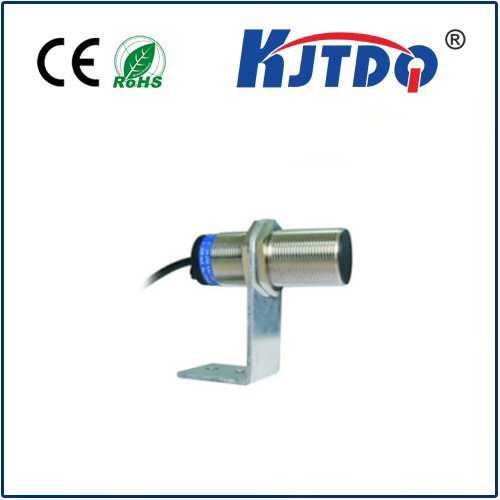
Selecting and installing the CL75-3033NH requires careful consideration. First, verify the required sensing distance and ensure the chosen model meets or exceeds it. The operating voltage range (commonly 10-30V DC) must match the plant's control voltage. Environmental conditions are crucial; while the sensor is robust, understanding the levels of dust, moisture, and temperature extremes is necessary for optimal selection. During installation, precise alignment of the transmitter and receiver is paramount for reliable operation. Mounting brackets should be secure to prevent vibration-induced misalignment. Regular maintenance, primarily involving lens cleaning to prevent dirt accumulation from attenuating the light beam, is a simple yet vital practice for sustained performance.
Troubleshooting common issues often involves a systematic approach. If the sensor fails to detect objects, check the power supply and alignment. Use the sensor's built-in indicator LEDs, which typically show power status and output activation. Ensure the object is large enough to interrupt the beam completely. For intermittent operation, inspect for loose wiring connections or physical obstructions that might partially block the beam. Understanding these practical aspects ensures minimal downtime.
In conclusion, the CL75-3033NH photoelectric switch represents a fusion of proven through-beam technology and robust engineering. It is a cornerstone for building resilient and efficient automated systems. By offering long-range, precise, and dependable object detection, it addresses core needs in material handling, packaging, and assembly automation. For professionals seeking a sensing solution that combines performance with durability, the CL75-3033NH stands as a compelling and reliable choice, capable of enhancing both productivity and system safety in diverse industrial settings.