check

check

check

check

check

check
In the world of industrial automation and control systems, the reliability of individual components dictates the efficiency and safety of the entire operation. Among these critical components, photoelectric switches stand out as versatile and dependable sensors. The BR4M-TDTL2 photoelectric switch represents a pinnacle of design in this category, engineered to deliver consistent performance in demanding environments. This guide delves into the features, applications, and benefits of this specific sensor, providing essential insights for engineers, system integrators, and procurement specialists.
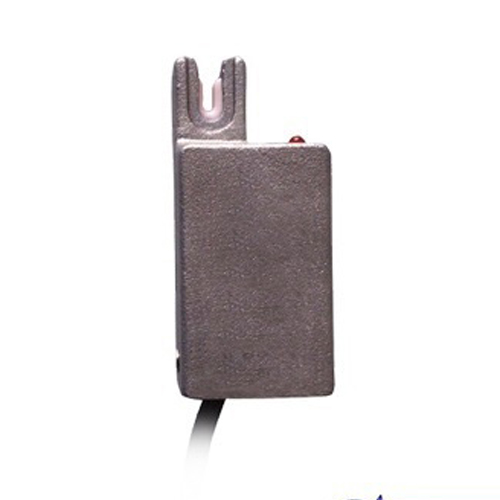
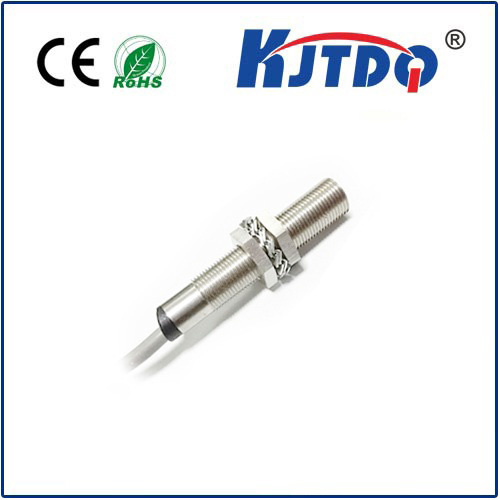
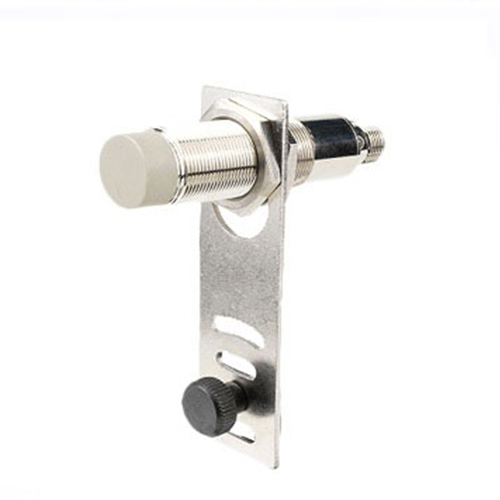
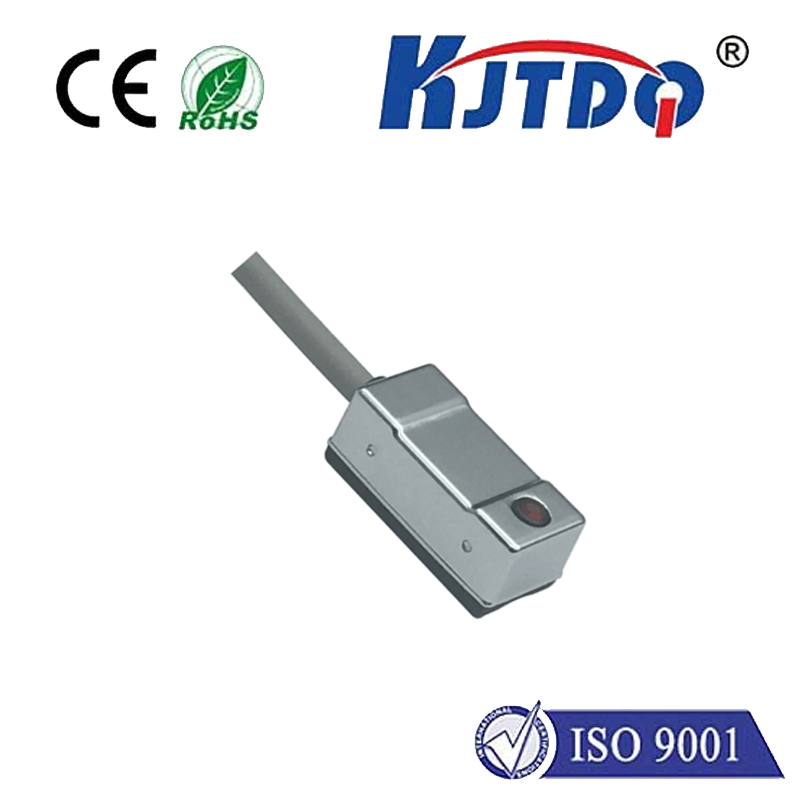
The BR4M-TDTL2 is a diffuse-reflective photoelectric sensor. This means it houses both the light emitter and the receiver in a single unit. It operates by emitting a beam of light, typically infrared or visible red, and then detecting the light that is reflected back from a target object. Unlike through-beam sensors that require a separate receiver, or retro-reflective models that need a reflector, the diffuse type simplifies installation by requiring only one device to be mounted. The "TDTL2" designation often relates to specific output configurations, sensing ranges, or housing characteristics, making it suitable for precise detection tasks where space or mounting options are limited.
One of the core strengths of the BR4M-TDTL2 is its robust construction. Designed for industrial settings, it often features a rugged housing made from materials like nickel-plated brass or high-grade plastics, offering resistance to dust, moisture, and mechanical impact. Many models come with an IP67 protection rating, meaning they are dust-tight and can withstand temporary immersion in water. This durability ensures longevity even in harsh conditions such as manufacturing floors, packaging lines, or outdoor applications.
The sensing performance of this switch is noteworthy. It typically offers a stable sensing range, which is the maximum distance at which it can reliably detect a standard target. The use of advanced optics and circuitry minimizes the effects of background interference or the color and surface texture of the target object. Some variants incorporate background suppression technology or fixed-field sensing, which allows them to ignore objects beyond a set distance, preventing false triggers. The output is usually in the form of a solid-state transistor (NPN or PNP), providing a fast, bounce-free signal to programmable logic controllers (PLCs) or other control units.
Application scenarios for the BR4M-TDTL2 photoelectric switch are vast. In material handling, it is perfect for detecting the presence or absence of boxes on a conveyor belt, counting products, or monitoring fill levels in transparent containers. Within automated assembly machines, it can verify if a component is correctly positioned before the next manufacturing step. It also finds use in security systems for intrusion detection, in printing machinery for paper jam prevention, and in elevator systems for door control and position sensing. Its diffuse-reflective nature makes it ideal for applications where mounting a receiver opposite the emitter is impractical.
When integrating the BR4M-TDTL2, several practical considerations ensure optimal performance. Correct alignment is less critical than with through-beam sensors, but the sensor should be positioned so the target object reliably enters its detection field. Understanding the sensor's specifications, such as its response time, is crucial for high-speed applications. Regular maintenance, primarily keeping the lens clean from dirt, oil, or debris, is simple yet vital to maintain sensing accuracy. Most models feature a visible LED indicator that shows both power status and output activation, aiding immensely in setup and troubleshooting.
Choosing the BR4M-TDTL2 photoelectric switch translates to tangible benefits for an operation. Its high reliability reduces machine downtime caused by sensor failure. The precision it offers improves the quality control of automated processes by ensuring accurate detection. Furthermore, its ease of installation and configuration saves valuable time during system setup and modifications. By providing a dependable digital signal for control systems, it forms a fundamental link in creating smarter, more efficient, and safer automated environments.
In conclusion, the BR4M-TDTL2 photoelectric switch is more than just a component; it is a solution for reliable object detection. Its blend of robust design, precise sensing technology, and operational versatility makes it a trusted choice across numerous industries. For professionals seeking to enhance their system's sensing capabilities with a proven and durable device, the BR4M-TDTL2 stands as a compelling option worthy of serious consideration in any design or upgrade project.