check

check

check

check

check

check
In the realm of industrial automation, the reliability and precision of sensing components are non-negotiable. Among the myriad of options available, the GA18/166 photoelectric switch stands out as a cornerstone for countless applications demanding accuracy and durability. This comprehensive guide delves into the core features, operational principles, and diverse applications of this pivotal device, offering insights for engineers and procurement specialists alike.
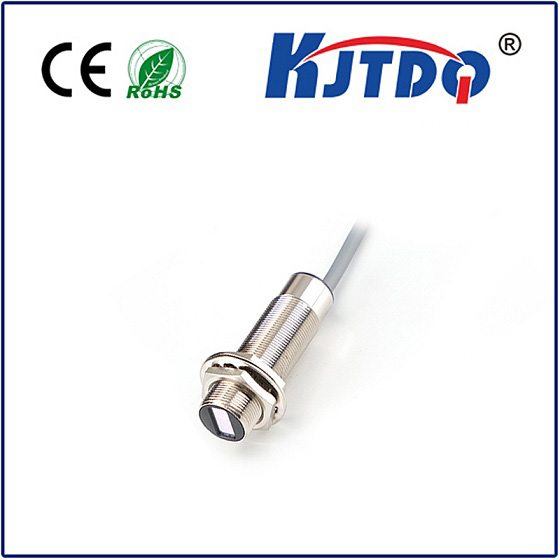
At its heart, the GA18/166 is a through-beam photoelectric sensor. This design involves two separate units: a transmitter and a receiver. The transmitter emits a focused beam of light, typically infrared or visible red, which is then captured by the opposing receiver. The fundamental principle is elegantly simple. When an object passes between these two units, it interrupts the light beam. This interruption is instantly detected by the receiver, which triggers an electrical output signal. This binary "on/off" state forms the basis for detection, counting, positioning, and safety applications across industries. The "GA18" nomenclature often refers to the cylindrical housing diameter (18mm), a standard size offering robust mechanical protection, while "166" may denote specific model variations or sensing ranges.
The superiority of the GA18/166 design lies in its inherent advantages. Through-beam sensors offer the longest sensing ranges among photoelectric types, with some models capable of detecting objects several meters away. They are exceptionally reliable, as they are less susceptible to environmental factors like dust, steam, or the color and reflectivity of the target object. Whether detecting a clear glass bottle, a matte black carton, or a shiny metal part, the GA18/166 performs consistently, provided the object is opaque enough to break the beam. This consistency is critical in high-speed production lines where false triggers can lead to costly downtime.
Durability is another hallmark. Housed in a sturdy metal or high-grade plastic body, these switches are built to withstand the rigors of industrial environments. Many models feature IP67 or higher ingress protection ratings, making them resistant to dust and temporary immersion in water. This resilience ensures stable operation in settings ranging from food and beverage processing, where washdowns are frequent, to packaging, material handling, and automotive assembly plants.
Implementing a GA18/166 switch requires careful consideration. Key specifications include the sensing distance, light source type, output configuration (e.g., NPN or PNP transistor, relay), and supply voltage (commonly 10-30V DC). Proper alignment of the transmitter and receiver is crucial for optimal performance; misalignment can lead to unreliable operation. Many modern units incorporate alignment indicators, such as LED lights that change state when the beam is properly received, simplifying installation and maintenance.
The applications are virtually limitless. In conveyor systems, they count products, detect jams, or verify the presence of items. In automated machinery, they provide precise positioning for robotic arms or act as safety interlock sensors on guarding. In the printing industry, they detect paper tears or monitor sheet feed. The GA18/166's versatility makes it an indispensable component in building efficient, safe, and intelligent automated systems.
When selecting a GA18/166 photoelectric switch, it is essential to partner with reputable suppliers who provide clear datasheets, technical support, and quality assurance. Ensuring you have the correct model for your specific environmental conditions (temperature, ambient light) and electrical interface is paramount for a successful integration. Regular maintenance, primarily lens cleaning to prevent buildup from dirt or oil, will preserve the sensor's long-term accuracy and extend its service life.
In conclusion, the GA18/166 photoelectric switch represents a mature, reliable, and highly effective sensing solution. Its through-beam design delivers unmatched reliability for object detection, transcending the limitations posed by target surface characteristics. For engineers designing new systems or maintaining existing ones, understanding the capabilities and correct application of the GA18/166 is key to achieving seamless automation, enhanced productivity, and robust system performance. It remains a proven workhorse in the sensor technology landscape, delivering precise control where it matters most.