check

check

check

check

check

check
In the world of industrial automation, precision and reliability are non-negotiable. The E3ZG-D61 photoelectric switch stands as a testament to this principle, offering a robust solution for countless detection and positioning applications. This compact yet powerful sensor is engineered to deliver consistent performance in demanding environments, making it a preferred choice for engineers and system integrators globally. Unlike mechanical limit switches that suffer from wear and tear, the E3ZG-D61 utilizes advanced optical technology to provide non-contact detection, significantly reducing maintenance needs and enhancing system longevity.
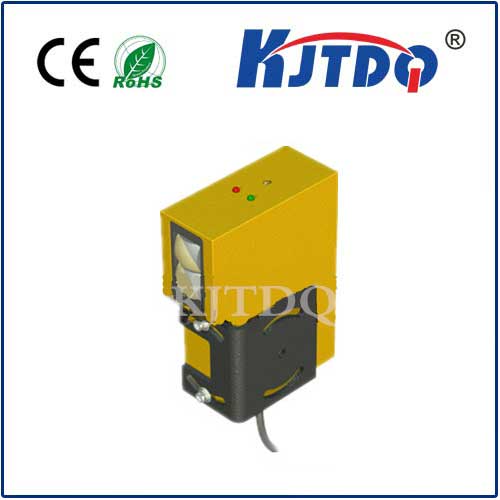
At its core, the E3ZG-D61 is a diffuse-reflective photoelectric sensor. This means it houses both the light emitter and the receiver in a single unit. It operates by projecting a beam of light—typically infrared or visible red—towards a target. When the target enters the sensing range, it reflects the light back to the receiver within the sensor. The internal circuitry then processes this signal to trigger an output. This design simplifies installation, as there is no need for a separate reflector or receiver unit, saving both space and wiring complexity. The sensing distance is precisely calibrated, ensuring accurate detection of objects within its specified range, which is a critical parameter for synchronizing automated processes.
One of the defining features of the E3ZG-D61 is its exceptional environmental durability. It is built with a high-grade housing that offers substantial resistance to dust, water, and oil splashes. Many models conform to IP67 ratings, meaning they are fully protected against dust ingress and can withstand temporary immersion in water. This makes them ideal for harsh settings such as packaging lines, material handling systems, and automotive assembly plants where exposure to contaminants is common. The stable sensing performance remains largely unaffected by ambient light interference, thanks to sophisticated modulation technology that distinguishes its own emitted light from background illumination.
The versatility of the E3ZG-D61 is further amplified by its adjustable sensitivity. A potentiometer or teach-in function allows users to fine-tune the sensor's response based on the specific application. This is crucial when detecting objects with varying colors, surface textures, or reflectivity. For instance, a glossy white surface reflects light more intensely than a matte black one. The ability to adjust sensitivity ensures reliable detection across a wide spectrum of materials, preventing false triggers or missed detections that could disrupt an entire production line. This flexibility extends its use to diverse industries, from food and beverage to electronics manufacturing.
Installation and integration are straightforward. The E3ZG-D61 typically comes with both pre-wired connectors and conduit entry options, catering to different panel designs. Its compact cylindrical or rectangular form factor allows for mounting in tight spaces. The status indicator LED provides clear visual feedback for operation and diagnostics, showing power status and output activation, which simplifies setup and troubleshooting. Output configurations usually include both NPN (sinking) and PNP (sourcing) transistor types, ensuring compatibility with a broad range of programmable logic controllers (PLCs) and control systems prevalent in different regions.
When selecting a photoelectric switch, key specifications demand attention. For the E3ZG-D61, parameters such as sensing distance, response time, light source type, and output configuration are paramount. The fast response time enables detection of high-speed objects on conveyor belts, while the choice between infrared and red light sources can be application-dependent—red light provides a visible beam for easier alignment. Understanding these specs ensures the sensor matches the operational speed, environmental conditions, and electrical requirements of the specific machinery.
In practical applications, the E3ZG-D61 proves indispensable. On a bottling line, it can reliably detect transparent or opaque containers to control filling and capping stations. In automated storage and retrieval systems, it ensures precise positioning of pallets. Within automated guided vehicles (AGVs), it serves as a collision avoidance sensor. Its reliability directly impacts operational efficiency, minimizing downtime and reducing waste caused by faulty detection. Regular maintenance is minimal, often limited to keeping the lens clean to ensure optimal light transmission.
Choosing the right sensor involves a careful analysis of the operating environment, target characteristics, and required performance. The E3ZG-D61 photoelectric switch, with its blend of durability, precision, and ease of use, offers a compelling solution for modern industrial challenges. It represents a critical component in building resilient and efficient automated systems, where every accurate detection contributes to smoother operations and higher productivity. For system designers and maintenance professionals, understanding its capabilities is a step toward optimizing performance and achieving long-term operational goals.