check

check

check

check
check
check
check
check

check

check
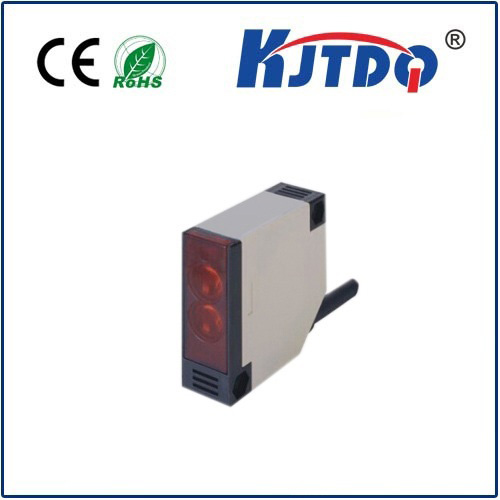
In the rapidly evolving landscape of industrial automation, precision, reliability, and durability are non-negotiable. The ER8430 photoelectric switch stands as a pivotal component in this domain, offering a sophisticated solution for object detection, positioning, and counting across diverse applications. This advanced sensor technology is engineered to meet the rigorous demands of modern manufacturing, logistics, and packaging systems, ensuring seamless operational flow and minimizing downtime.
The core functionality of the ER8430 photoelectric switch lies in its ability to detect objects without physical contact. Utilizing a modulated infrared light beam, it operates on the principle of light reflection or beam interruption. The switch emits a light signal from its transmitter; when an object enters the detection zone, it either reflects the light back to the receiver (in reflective models) or breaks the beam between separate transmitter and receiver units (in through-beam models). This change in light reception is then converted into an electrical signal, triggering a predefined action within the control system. This contactless operation eliminates mechanical wear and tear, significantly extending the sensor's service life compared to traditional mechanical limit switches.
One of the defining features of the ER8430 series is its robust construction. Designed for challenging industrial environments, these switches typically boast high ingress protection ratings, such as IP67, making them resistant to dust, water jets, and oil splashes. The housing is often constructed from durable materials like nickel-plated brass or stainless steel, ensuring resilience against corrosion, vibration, and impact. This ruggedness allows for reliable performance in settings ranging from automotive assembly lines and food processing plants to material handling in warehouses.
Installation and integration are streamlined for user convenience. The ER8430 photoelectric switch often comes with versatile mounting options and adjustable sensing ranges, allowing for flexible placement in complex machinery layouts. Many models feature intuitive alignment indicators, such as LED status lights, which simplify setup and troubleshooting by providing clear visual feedback on the sensor's operational state—whether it's in standby, has detected an object, or is experiencing an alignment issue. This user-centric design reduces installation time and helps maintenance personnel quickly diagnose problems.
The application scope for the ER8430 is remarkably broad. In conveyor belt systems, it precisely detects the presence, passage, or position of products, enabling automated sorting and routing. Within packaging machinery, it ensures accurate filling levels and verifies label placement. In automated storage and retrieval systems, it provides critical positioning data for robotic arms and guided vehicles. Furthermore, its high switching frequency allows for the counting of fast-moving items on production lines, contributing to accurate inventory management and production data logging.
When selecting a photoelectric switch like the ER8430, several technical parameters require careful consideration. The sensing distance, which varies between diffuse-reflective, retro-reflective, and through-beam types, must match the specific application needs. Response time is crucial for high-speed operations, ensuring the switch can keep pace with rapidly moving objects. The output type—whether NPN or PNP, normally open or normally closed—must be compatible with the existing programmable logic controller or control circuitry. Environmental factors like ambient light immunity are also critical, as the sensor must distinguish its own modulated light from background illumination to prevent false triggering.
Operational reliability is further enhanced by built-in diagnostic capabilities. Advanced versions of the ER8430 may include functions like teach-in programming for easy range setting, short-circuit and overload protection for the output circuit, and stability indicators that signal potential lens contamination before it leads to failure. These proactive features contribute to predictive maintenance strategies, reducing unplanned stoppages and associated costs.
In conclusion, the ER8430 photoelectric switch represents a key technological asset for industries striving toward greater automation and efficiency. Its non-contact sensing, environmental robustness, ease of integration, and versatile applicability make it an indispensable tool for improving productivity, ensuring quality control, and enhancing safety in automated processes. As factories continue to evolve into smarter, more connected ecosystems, reliable components like the ER8430 will remain fundamental to building responsive and resilient production infrastructures, driving forward the future of industrial innovation.