check

check

check

check
check
check
check
check

check

check
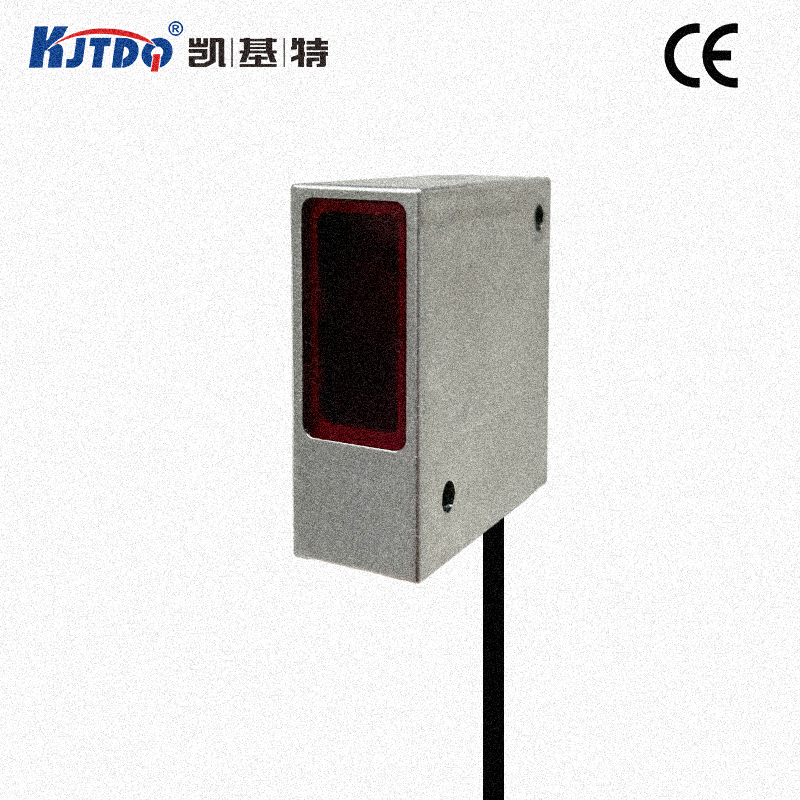
In the dynamic world of industrial automation, precision and reliability are non-negotiable. The KJTDQ PR18-BC10ATC-E2 photoelectric switch stands as a testament to engineering excellence, designed to meet the rigorous demands of modern manufacturing and control systems. This device is not merely a component; it is a critical enabler for efficiency, safety, and seamless operation across countless applications.
At its core, the PR18-BC10ATC-E2 is a diffuse reflective sensor. This operational principle allows it to detect objects without the need for a separate reflector. The sensor emits a beam of light, and when an object enters its detection range, the light is reflected back to the receiver within the same housing. This self-contained design simplifies installation and reduces system complexity. The "E2" suffix often denotes specific electrical characteristics or housing variants, such as a particular output configuration or connection type, making it crucial for engineers to verify datasheet specifications for their specific model.
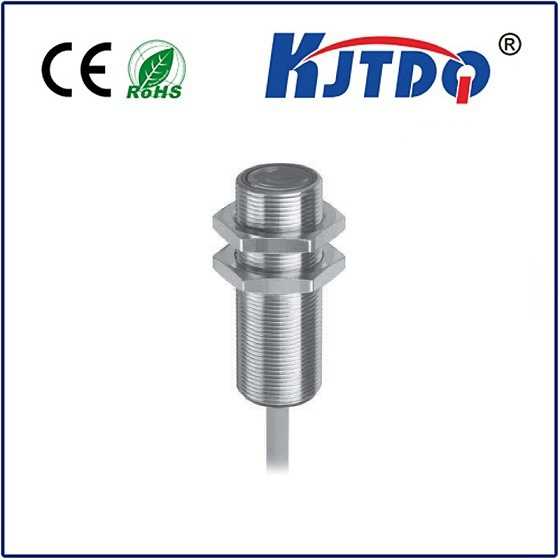
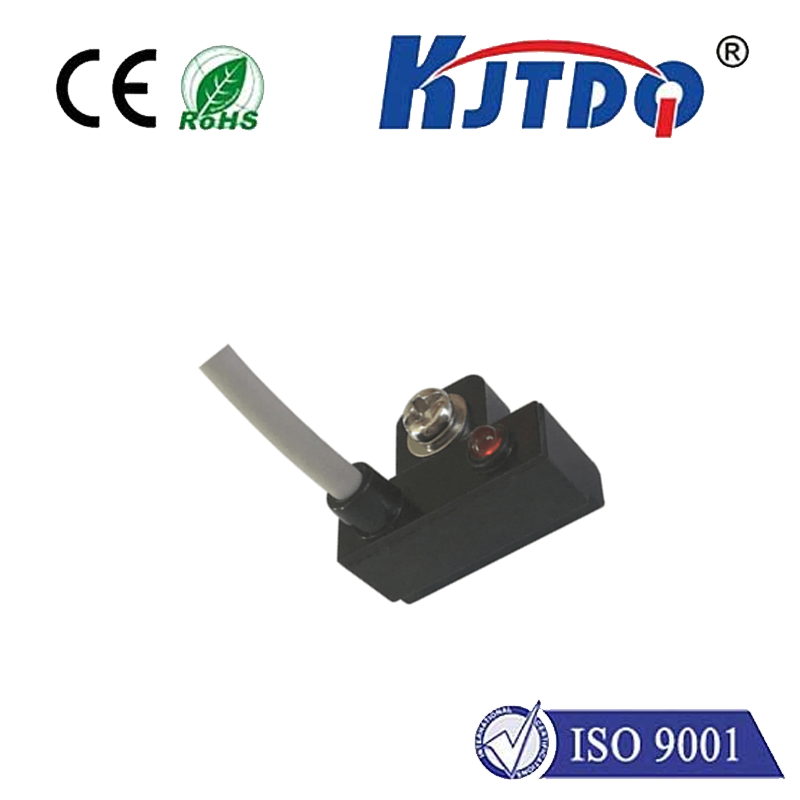
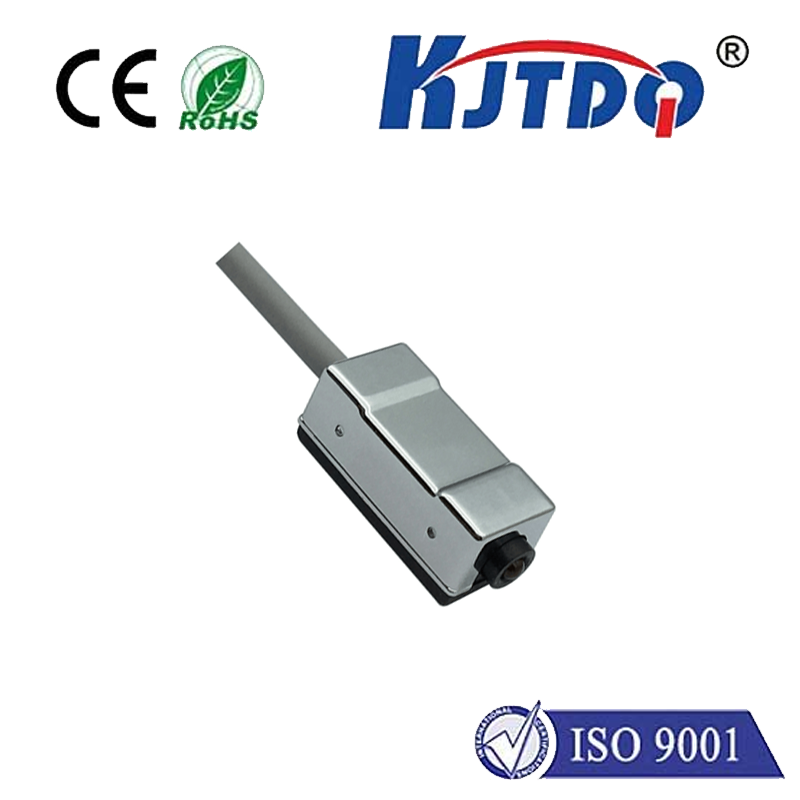
The performance specifications of this photoelectric switch are tailored for industrial robustness. It typically offers a sensing distance suitable for mid-range applications, providing a reliable buffer zone for object detection. The housing is frequently constructed from durable materials like nickel-plated brass or high-grade plastics, ensuring resistance to environmental factors such as dust, moisture, and mechanical impact. Many models feature an LED status indicator, offering immediate visual confirmation of operational state and power, which is invaluable for quick troubleshooting and maintenance.
One of the key strengths of the PR18-BC10ATC-E2 lies in its versatility. It finds application in diverse sectors. On packaging lines, it ensures products are correctly positioned for labeling or filling. In material handling, it counts items on conveyors or detects the presence of pallets. Within automated assembly systems, it verifies the placement of components before a robotic arm proceeds to the next step. This reliable detection prevents jams, reduces waste, and maintains the flow of production.
Integration into existing control systems is straightforward. The switch commonly provides a solid-state or relay output, compatible with standard Programmable Logic Controllers (PLCs) and other industrial controllers. The wiring process is typically simple, often utilizing a pre-wired connector or standard M12 or M8 quick-disconnect cables, which significantly reduces installation time and potential wiring errors.
Selecting the right sensor for a task requires careful consideration. For the PR18-BC10ATC-E2, factors such as the required sensing distance, the size and color of the target objects, the ambient lighting conditions, and the operating environment (temperature, potential exposure to chemicals) must all be evaluated. For instance, detecting a glossy black object may require a sensor with background suppression or a different technology, as standard diffuse sensors can struggle with low-reflectivity surfaces.
Installation best practices are fundamental to achieving optimal performance. Ensuring the sensor is mounted securely to avoid vibration, aligning it correctly with the expected path of the target object, and keeping the lens clean from obstructions like dust or oil are all critical steps. Regular maintenance, though minimal, involves periodic checks of the sensing window and verification of the output signal under normal operating conditions.
The long-term value of implementing a reliable component like the KJTDQ PR18-BC10ATC-E2 is substantial. It contributes directly to reducing machine downtime, minimizing false triggers that can halt production, and enhancing overall system safety by providing accurate presence detection. This reliability translates into higher throughput, consistent product quality, and a stronger return on investment for automation projects.
In conclusion, the KJTDQ PR18-BC10ATC-E2 photoelectric switch represents a robust and adaptable solution for non-contact object detection. Its design prioritizes durability, ease of use, and consistent performance. For system integrators, maintenance engineers, and production managers seeking to bolster the reliability of their automated processes, this sensor offers a proven and effective tool. By ensuring precise detection, it helps build a foundation for more intelligent, efficient, and resilient industrial operations.