check

check

check

check
check
check
check
check

check

check
In the intricate world of industrial automation, the reliability of a single component can dictate the efficiency of an entire production line. Among the myriad of sensors available, the RL39-3043NK photoelectric switch stands out as a paragon of precision and durability. This device is not merely a sensor; it is a critical sentinel for countless applications, from packaging and material handling to automotive assembly and beyond. Its role in detecting the presence, absence, or position of objects without physical contact is fundamental to modern manufacturing logic.
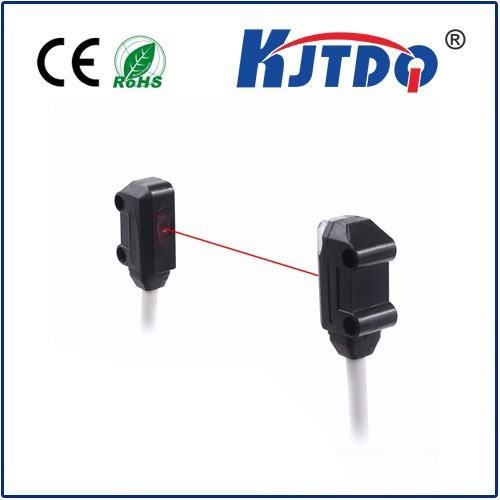
The RL39-3043NK belongs to the family of through-beam photoelectric sensors. This design features a separate transmitter and receiver unit. The transmitter emits a focused beam of light—typically infrared or laser—directly to the receiver. When an object passes between the two, it interrupts this beam, triggering an immediate output signal. This principle offers distinct advantages, most notably an exceptionally long sensing range and high immunity to environmental interferences like dust, steam, or target object color and surface finish. For the RL39-3043NK, this translates to reliable detection over distances where other sensor types might falter, ensuring consistent operation in challenging industrial settings.
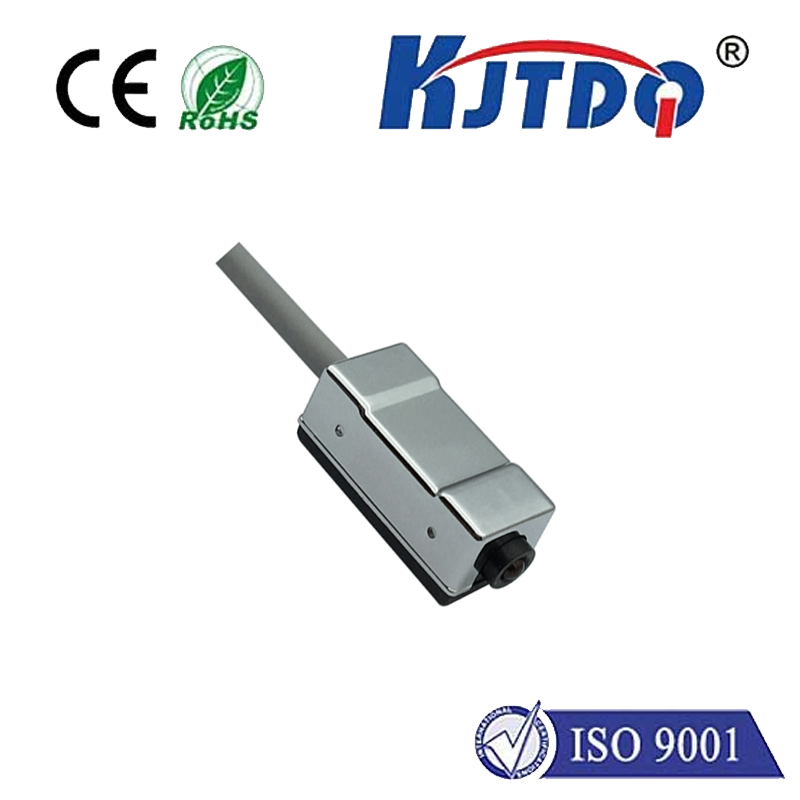
Delving into its specifications reveals the engineering behind its robustness. The "RL39" series often indicates a cylindrical, rugged housing designed to withstand industrial environments. The "3043NK" variant typically specifies key operational parameters: a specific sensing range, output configuration (often an NPN or PNP transistor switch), and connection type. These switches are frequently built with metal or high-grade plastic housings rated for IP67 protection, meaning they are dust-tight and can withstand temporary immersion in water. This makes them suitable for washdown areas in food and beverage processing or outdoor applications. The output from the sensor is a clean, swift switching signal compatible with programmable logic controllers (PLCs), relays, and other control systems, forming the essential link between physical detection and digital control logic.
So, where does the RL39-3043NK prove its worth? Its applications are vast. In conveyor belt systems, it is used for precise object counting, jam detection, or positioning items for robotic pick-and-place operations. In the automotive sector, it can verify the presence of components on an assembly line. Within packaging machinery, it ensures cases are correctly positioned for sealing or labeling. The through-beam design is particularly favored in logistics for detecting transparent objects, like glass or plastic bottles, which can confuse reflective or diffuse sensors. Its long range also allows for the detection of large objects or for creating safety light curtains across wide apertures.
Selecting the right photoelectric switch is crucial. While the RL39-3043NK offers superior range and reliability, it does require careful alignment of the separate emitter and receiver units, which can be more complex to install than a self-contained sensor. For applications where mounting two separate units is impractical, retro-reflective or diffuse (proximity) models might be considered. However, for maximum reliability over distance and in dirty environments, the through-beam type remains the gold standard. When specifying a sensor like the RL39-3043NK, engineers must consider factors such as the required sensing distance, the size and material of the target, ambient light conditions, temperature extremes, and the required response speed.
Installation and maintenance are straightforward but demand attention to detail. Ensuring perfect alignment between the transmitter and receiver is paramount for optimal performance. Mounting brackets should be secure to prevent vibration from misaligning the beam. Lenses should be kept clean from obstructions like dirt, oil, or debris, which can attenuate the light signal. Regular functional checks are recommended as part of a preventive maintenance schedule to avoid unexpected downtime. Most high-quality models like the RL39-3043NK are designed for long-term, maintenance-free operation, but basic vigilance extends their service life significantly.
The evolution of photoelectric sensing continues, with trends leaning towards miniaturization, increased intelligence with IO-Link communication for diagnostics and parameter setting, and enhanced resistance to harsh conditions. The RL39-3043NK represents a mature and proven solution within this landscape. It embodies a balance of performance, ruggedness, and simplicity that has been validated on factory floors worldwide. For system integrators and plant engineers seeking a dependable solution for precise, non-contact detection, understanding and utilizing a sensor of this caliber is a step toward building more resilient, efficient, and automated industrial operations. Its value lies in its silent, unwavering performance—a small component that guarantees the smooth flow of much larger processes.